

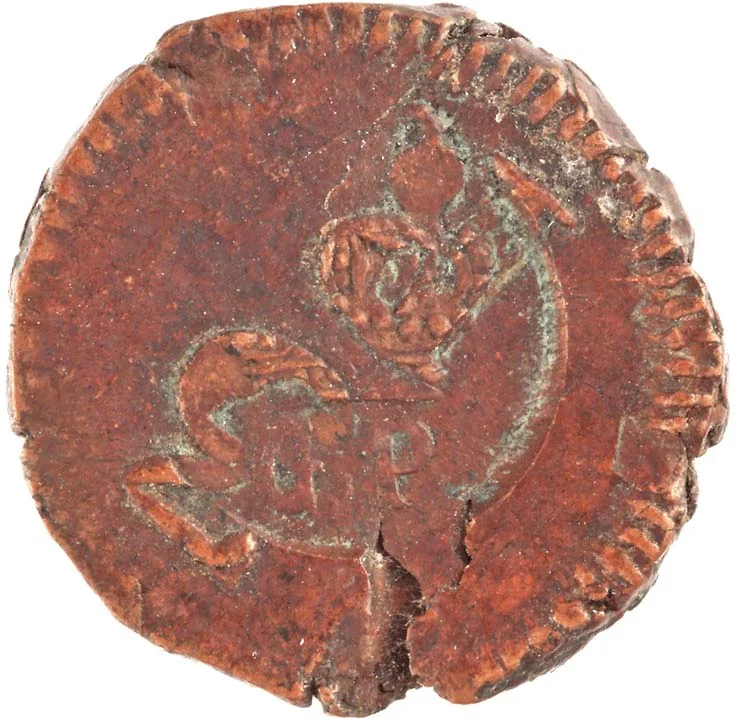
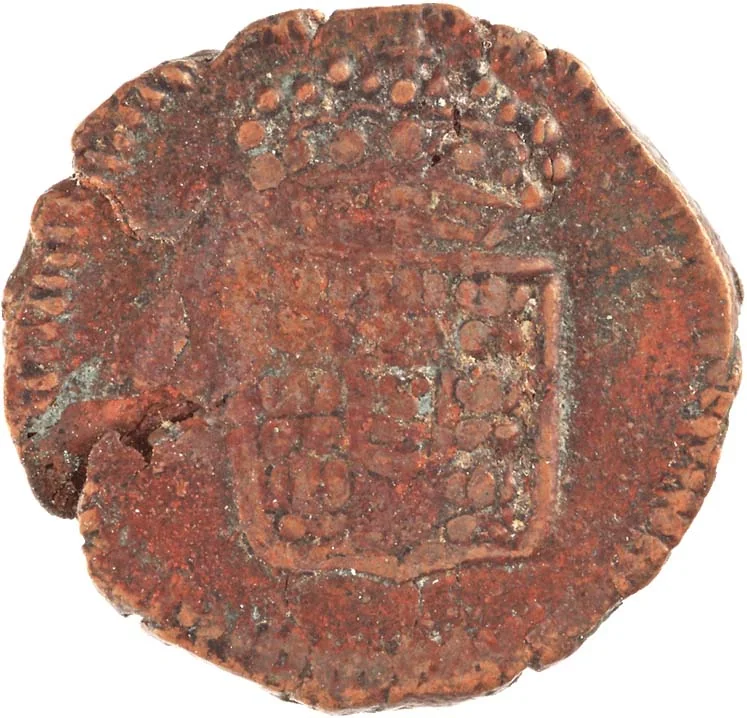
5 réis – Azores
Add to wishlist
Portugal
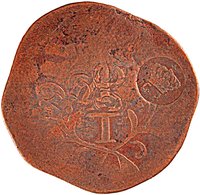
Obverse
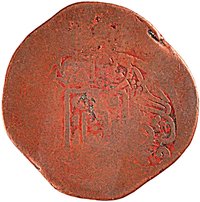
Reverse
Edge
Mintings
| Year | Mint Mark | Mintage | Quality | Collection |
|---|---|---|---|---|
| 1877 | — | — |
Historical background
In 1877, the Azores, as an integral part of the Kingdom of Portugal, operated under the national Portuguese monetary system. The official currency was the Portuguese real (plural: réis), a decimal currency that had been standardized earlier in the century. Transactions, both commercial and governmental, were conducted in réis, with banknotes and coins issued by the Bank of Portugal circulating alongside older, worn coinage from previous reigns. The archipelago's economy, heavily dependent on agricultural exports like oranges and wine to mainland Portugal and international markets, was therefore directly tied to the value and stability of the Portuguese real.
However, the currency situation was not without its practical challenges. The islands' relative isolation and the nature of their trade meant that foreign coins, particularly British pounds sterling and gold sovereigns from trade with North America, were also commonly found in circulation. These foreign coins were often preferred for larger transactions and international trade due to their perceived stability and wider acceptance. This created a de facto dual-currency environment in major ports like Ponta Delgada, where merchants had to be conversant in exchange rates between the official réis and these foreign denominations.
The broader context was one of economic difficulty for Portugal, which would culminate in a state bankruptcy in the 1890s. While the Azores were not experiencing a unique local currency crisis in 1877, they were feeling the effects of Portugal's long-term financial instability and inflationary pressures on the real. This period preceded the major monetary reform of 1911, which introduced the escudo, and thus the Azorean economy in the late 1870s functioned with a currency that was gradually losing its purchasing power, amidst a blend of official and unofficial means of exchange.
However, the currency situation was not without its practical challenges. The islands' relative isolation and the nature of their trade meant that foreign coins, particularly British pounds sterling and gold sovereigns from trade with North America, were also commonly found in circulation. These foreign coins were often preferred for larger transactions and international trade due to their perceived stability and wider acceptance. This created a de facto dual-currency environment in major ports like Ponta Delgada, where merchants had to be conversant in exchange rates between the official réis and these foreign denominations.
The broader context was one of economic difficulty for Portugal, which would culminate in a state bankruptcy in the 1890s. While the Azores were not experiencing a unique local currency crisis in 1877, they were feeling the effects of Portugal's long-term financial instability and inflationary pressures on the real. This period preceded the major monetary reform of 1911, which introduced the escudo, and thus the Azorean economy in the late 1870s functioned with a currency that was gradually losing its purchasing power, amidst a blend of official and unofficial means of exchange.
✨ Legendary