Logo Title
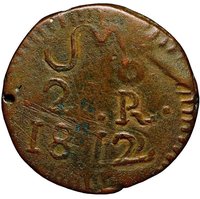
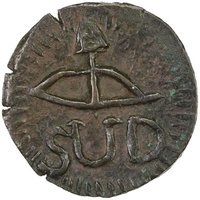
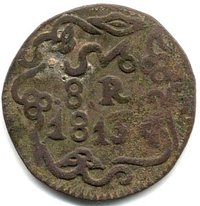
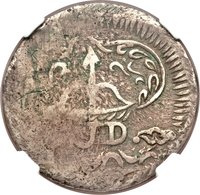
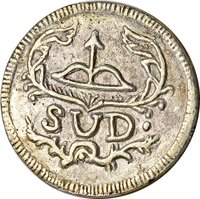
obverse
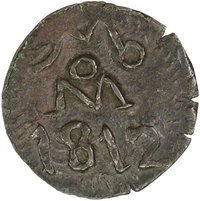
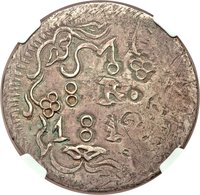
reverse
Katz Coins Notes & Supplies Corp.
Context
Years: 1811–1814
Country: Mexico Country flag
Currency:
(1535—1897)
Demonetized: Yes
Material
Diameter: 25.5 mm
Weight: 6.75 g
Thickness: 2 mm
Composition: Copper
Magnetic: No
Alignment: Medal alignment
Obverse
OBVERSE ↑
flip
Reverse
REVERSE ↑
References
KM: #Click to copy to clipboard226.1
Numista: #35568

Obverse

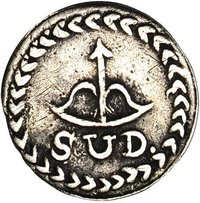
Description:
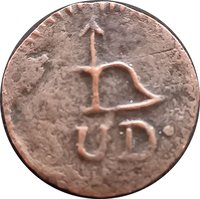
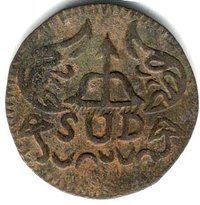
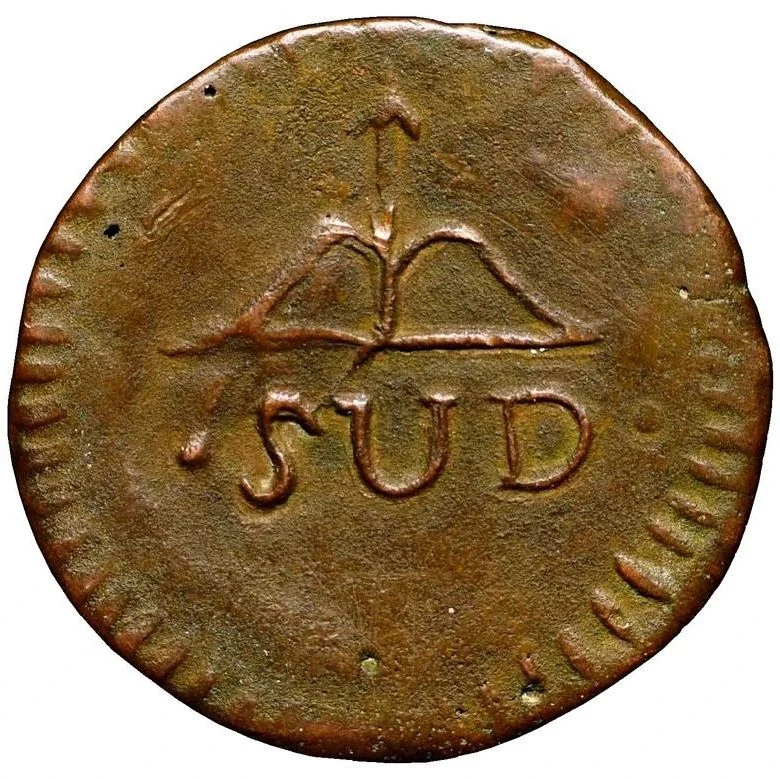
Bow and arrow.
Inscription:
SUD
Translation:
May it be fortunate and auspicious.
Script: Latin
Language: Latin

Reverse

Description:
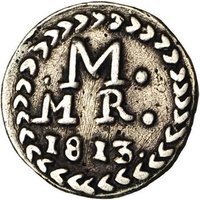
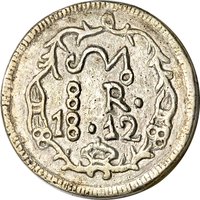
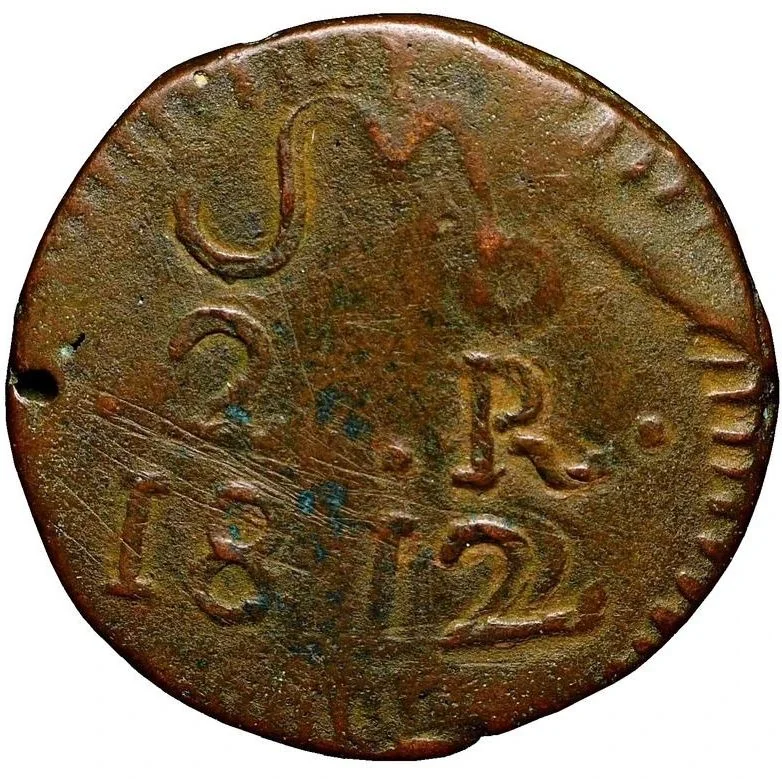
.2.R. monogram, date
Inscription:
M

2 R

1812
Translation:
Two Riksdaler

1812
Script: Latin
Language: Swedish

Edge

Milled

Mintings

YearMint MarkMintageQualityCollection
1811
1812
1813
1814

Historical background

In 1811, the currency situation in Oaxaca was defined by profound instability and scarcity, a direct consequence of the ongoing Mexican War of Independence that had begun the previous year. The region, while not a primary battlefield, was deeply affected by the collapse of royalist fiscal authority and the disruption of trade routes. The supply of official coinage from the Mexico City Mint—primarily silver reales and gold escudos bearing the portrait of the deposed King Ferdinand VII—drastically diminished. This created a severe shortage of circulating medium, crippling daily commerce and tax collection, and forcing both royalist authorities and emerging insurgent sympathizers to seek alternative solutions.

The vacuum was partially filled by a chaotic mix of substitute currencies. Most notably, both the royalist government and local entities began to issue emergency paper money, known as vales, which were promises to pay in specie at a future date. These often depreciated rapidly due to a lack of public confidence. Simultaneously, older and clipped coins remained in circulation at negotiated values, and there were even sporadic attempts by insurgent groups to mint their own crude coins in captured towns, though these were limited and not widely accepted. The economy regressed towards barter for basic goods, particularly in rural areas and indigenous communities, which had historically operated with some degree of autonomy from the cash economy.

This monetary crisis reflected and exacerbated the broader political fragmentation of the era. Control over currency became a symbol of sovereignty and practical power. The royalist forces, led in Oaxaca by General José María Regules Villasante, struggled to maintain economic order to fund their operations, while the looming presence of insurgent leaders like José María Morelos, who would capture the city in late 1812, signaled an impending shift in authority. Thus, the currency of Oaxaca in 1811 was not merely a financial instrument but a tangible indicator of a collapsing colonial system, marked by uncertainty, improvisation, and the struggle for control in a society at war.

Series: 1811 State of Oaxaca circulation coins

½ Real obverse
½ Real reverse
½ Real
1811-1814
½ Real obverse
½ Real reverse
½ Real
1811-1813
1 Real obverse
1 Real reverse
1 Real
1811-1813
2 Reales obverse
2 Reales reverse
2 Reales
1811-1814
8 Reales obverse
8 Reales reverse
8 Reales
1811-1814
8 Reales obverse
8 Reales reverse
8 Reales
1811-1812
8 Reales obverse
8 Reales reverse
8 Reales
1811-1814
Rare