

50 dollars – Canada
Add to wishlist
Non-circulating coins
Commemoration: 2010 Olympics, Vancouver
Series: 2010 Winter Olympics, Vancouver
Canada
Context
Material
Diameter: 30 mm
Weight: 31.1 g
Gold Weight:: 31.10 g
Thickness: 2.9 mm
Shape: Round
Composition: 99.99% Gold
Standard: Silver ounce
Magnetic: No
Technique: Milled
Alignment: Medal alignment
flip
References
KM: #
Numista: #354301
Value
Exchange value: 50 CAD
Bullion value: $4799.78
Inflation-adjusted value: 72.61 CAD
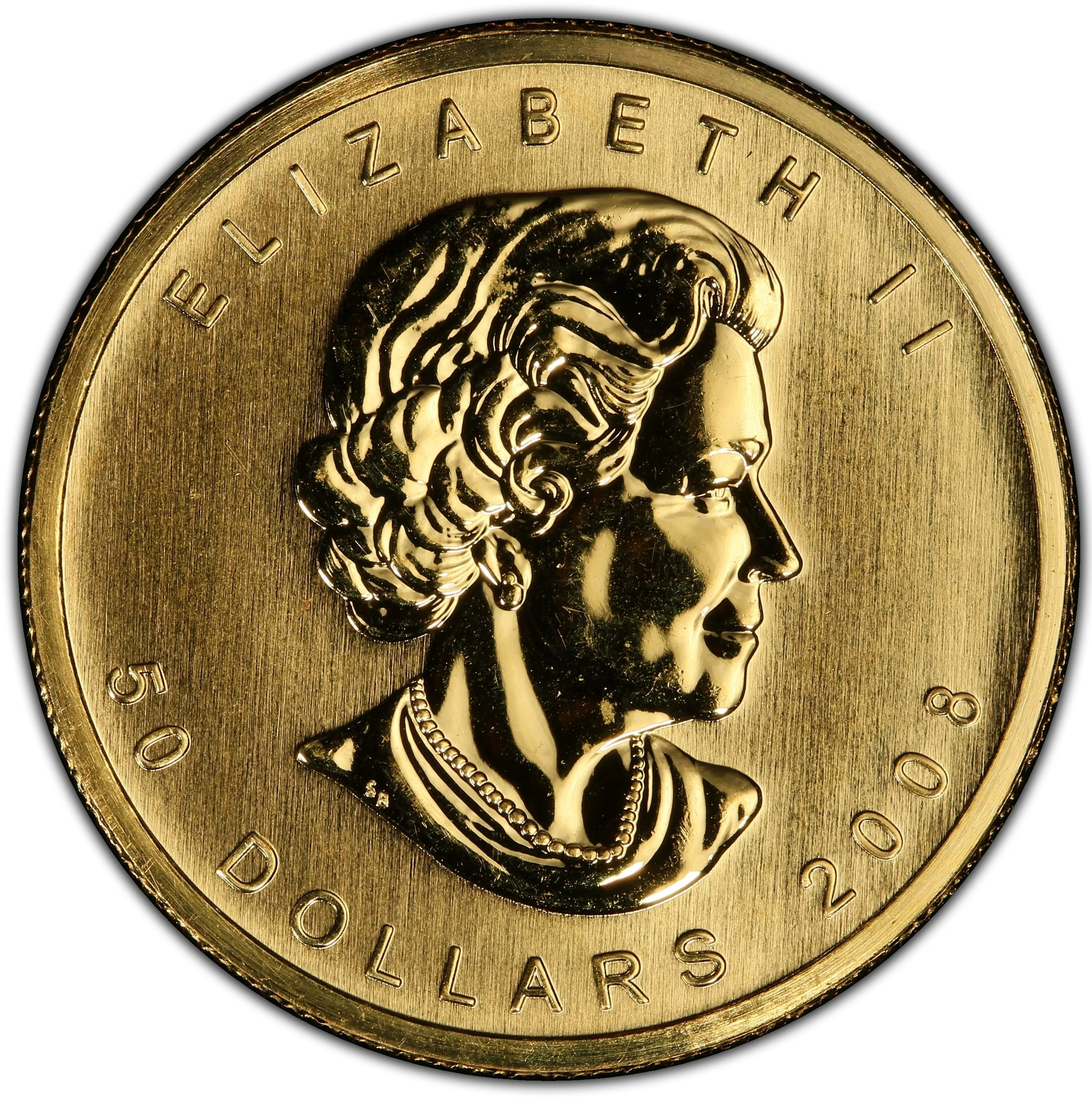
Obverse
Description:
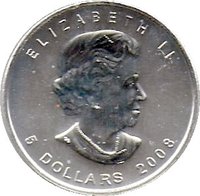
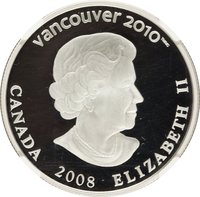
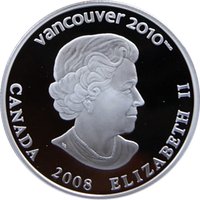
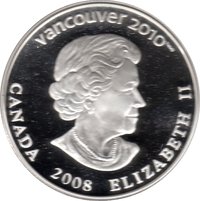
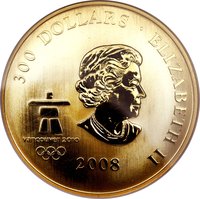
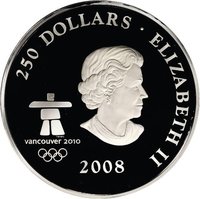
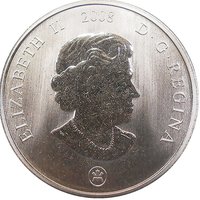
Queen Elizabeth II at 77, facing right, wearing a necklace and earrings.
Inscription:
ELIZABETH II
50 DOLLARS 2008
50 DOLLARS 2008
Script: Latin
Engraver: Susan Taylor
Designer: Susanna Blunt
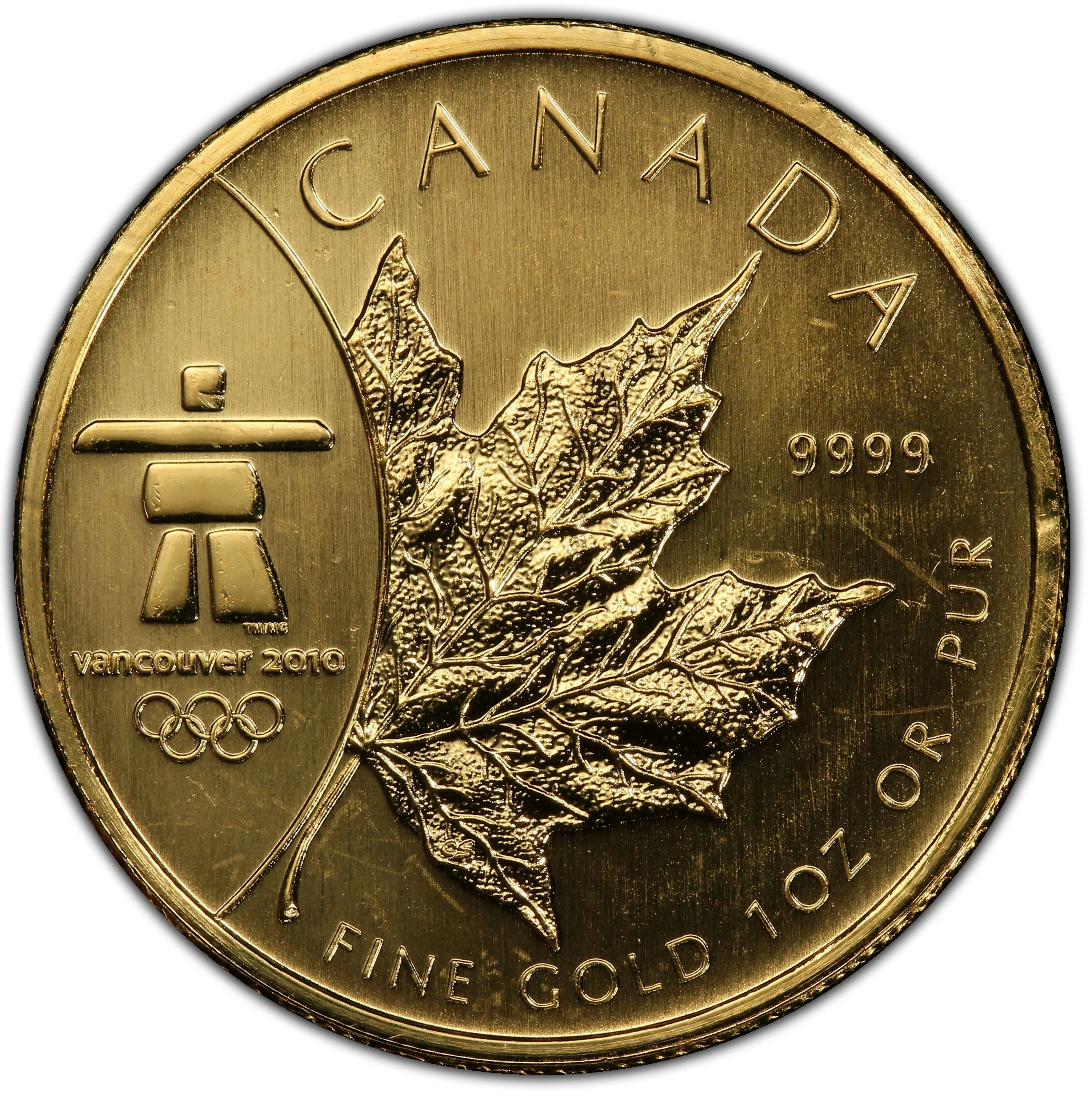
Reverse
Description:
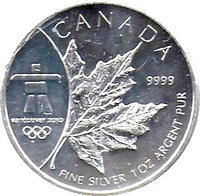
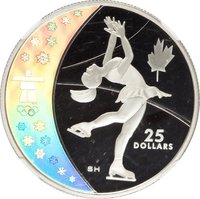
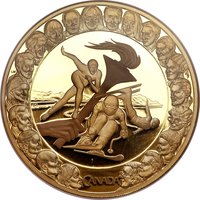
Inukshuk and Maple Leaf.
Inscription:
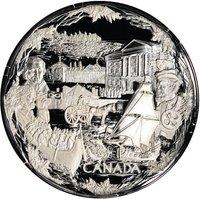
CANADA
VANCOUVER 2010
9999
FINE GOLD 1 OZ OR PUR
VANCOUVER 2010
9999
FINE GOLD 1 OZ OR PUR
Script: Latin
Engraver: Stan Witten
Edge
Serrated
Categories
| Sport> Winter Olympic Games |
Mints
| Name | Mark |
|---|---|
| Royal Canadian Mint of Ottawa | — |
Mintings
| Year | Mint Mark | Mintage | Quality | Collection |
|---|---|---|---|---|
| 2008 | — | 49,802 | BU |
Historical background
In 2008, Canada entered the global financial crisis with a relatively strong economic position, but its currency, the Canadian dollar (CAD), experienced significant volatility. The year began with the "loonie" near historic highs, briefly reaching parity with the US dollar in 2007 and remaining strong in early 2008, trading above USD $0.98. This strength was largely driven by a global commodity boom, particularly in oil, which saw prices surge to a record $147 per barrel in July. As a major exporter of natural resources, Canada benefited from these high prices, attracting foreign investment and bolstering the currency.
However, the situation reversed dramatically in the latter half of the year following the collapse of Lehman Brothers and the ensuing global financial panic. As investors fled to the safety of the US dollar, and commodity prices crashed—with oil plummeting to near $30 per barrel by year's end—the Canadian dollar went into a steep decline. It lost roughly 20% of its value against the US dollar in just three months, falling to a low of approximately USD $0.79 in October 2008. This sharp depreciation reflected both the global "flight to safety" and a severe downturn in Canada's key export sectors.
The Bank of Canada responded aggressively to the crisis, cutting its benchmark interest rate from 4.5% in January to a historic low of 0.25% by April 2009. This monetary easing aimed to stimulate the domestic economy but also contributed to the currency's depreciation by reducing its yield appeal. Ultimately, the 2008 currency situation highlighted the Canadian dollar's dual identity as a "commodity currency," vulnerable to global price swings, and a proxy for global risk sentiment, which drove its extreme volatility from historic strength to a multi-year low within a single tumultuous year.
However, the situation reversed dramatically in the latter half of the year following the collapse of Lehman Brothers and the ensuing global financial panic. As investors fled to the safety of the US dollar, and commodity prices crashed—with oil plummeting to near $30 per barrel by year's end—the Canadian dollar went into a steep decline. It lost roughly 20% of its value against the US dollar in just three months, falling to a low of approximately USD $0.79 in October 2008. This sharp depreciation reflected both the global "flight to safety" and a severe downturn in Canada's key export sectors.
The Bank of Canada responded aggressively to the crisis, cutting its benchmark interest rate from 4.5% in January to a historic low of 0.25% by April 2009. This monetary easing aimed to stimulate the domestic economy but also contributed to the currency's depreciation by reducing its yield appeal. Ultimately, the 2008 currency situation highlighted the Canadian dollar's dual identity as a "commodity currency," vulnerable to global price swings, and a proxy for global risk sentiment, which drove its extreme volatility from historic strength to a multi-year low within a single tumultuous year.
Series: 2010 Winter Olympics, Vancouver
✨ Legendary