

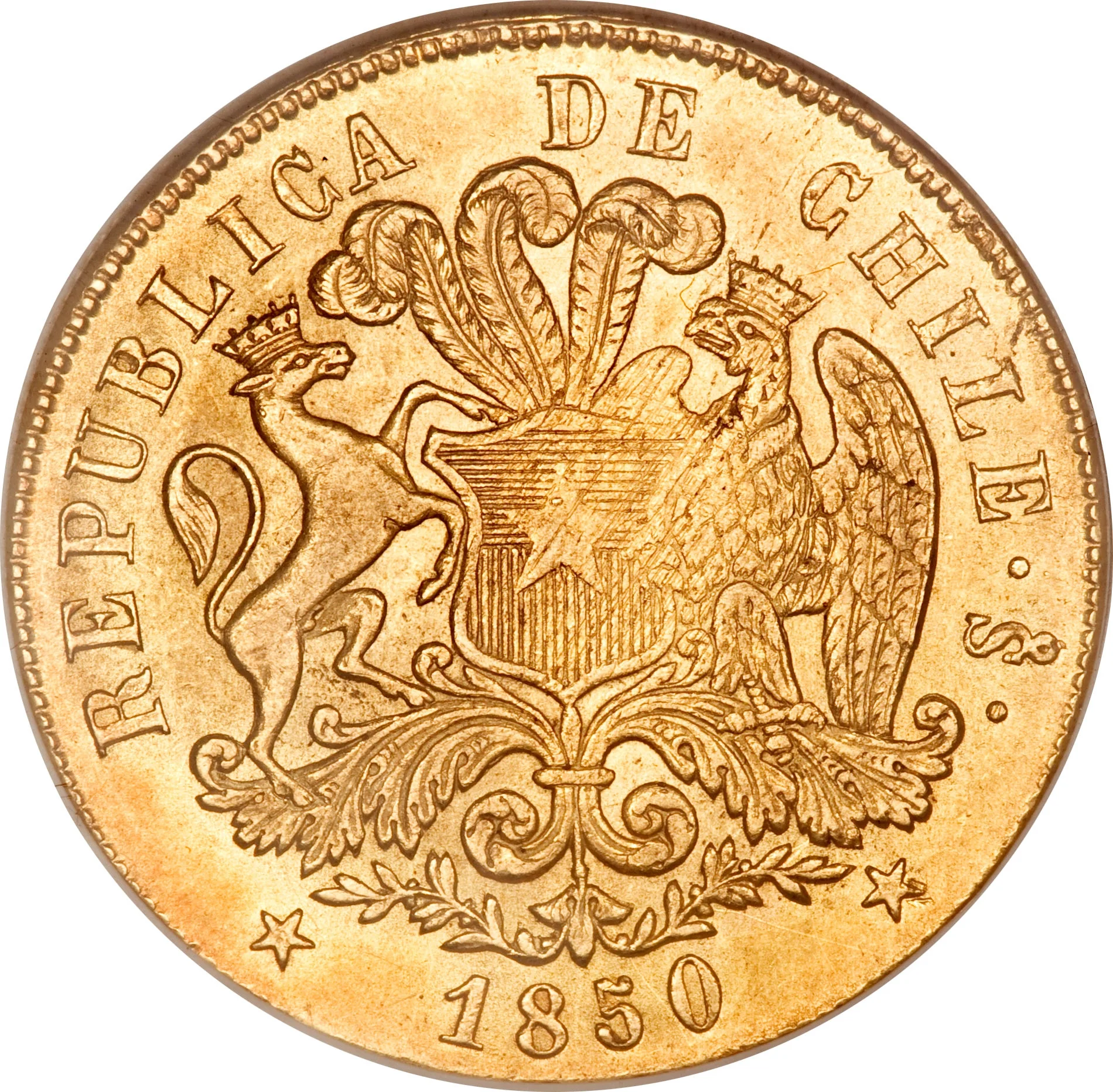
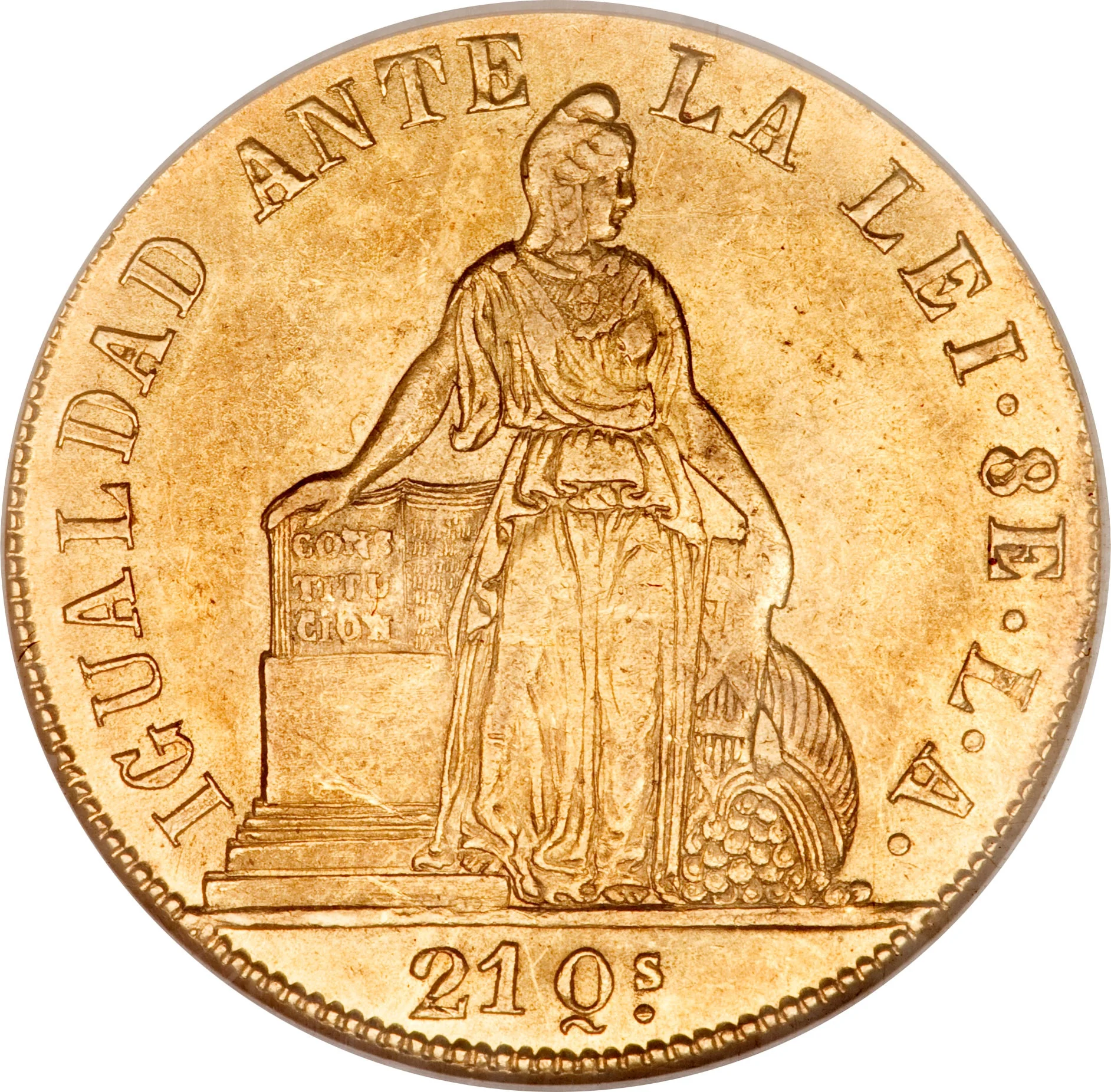
Mints
| Name | Mark |
|---|---|
| Casa de Moneda de Chile | (So) |
Mintings
| Year | Mint Mark | Mintage | Quality | Collection |
|---|---|---|---|---|
| 1846 | So | — | ||
| 1847 | So | — | ||
| 1848 | So | — | ||
| 1849 | So | — | ||
| 1850 | So | — | ||
| 1851 | So | — |
Historical background
In 1846, Chile's currency situation was characterized by a chaotic and fragmented system, a legacy of the colonial era and early independence. The primary unit of account was the peso, but it existed alongside a bewildering array of reales, maravedís, and foreign coins, particularly Spanish, Bolivian, and Peruvian silver. There was no official national mint producing a standardized coinage, leading to widespread circulation of worn, clipped, and counterfeit coins of varying metallic content. This lack of uniformity created significant problems for commerce, as merchants and citizens constantly had to assess the true value and weight of each coin, hindering economic transactions and fostering distrust.
The government, under the conservative administration of President Manuel Bulnes, recognized this instability as a major obstacle to economic modernization and growth. Efforts were underway to reform the system, driven by Finance Minister Manuel Rengifo's earlier liberalizing policies and a growing consensus among the merchant class in Valparaíso and Santiago. The key goal was to establish a bimetallic standard (gold and silver) with a fixed exchange rate between the metals, and to create a strong, nationally recognized currency to facilitate both domestic trade and international exchange. This period was one of active planning and debate, laying the crucial groundwork for future reform.
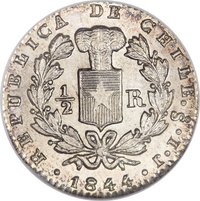
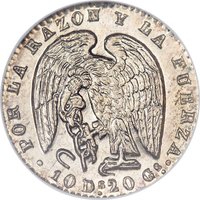
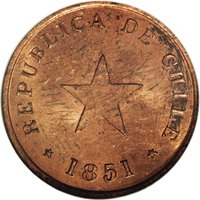
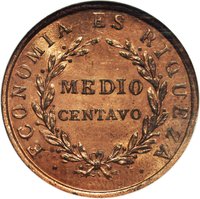
Consequently, 1846 represents a pivotal juncture just before major change. The pressing need for monetary order would lead to the decisive establishment of the Casa de Moneda de Santiago (the Santiago Mint) in 1849, which began issuing Chile's first standardized national coins in 1851. Therefore, the currency situation in 1846 is best understood as the final chapter of colonial monetary disorder, with the state actively preparing to impose a centralized, modern system that would provide the stability necessary for Chile's coming era of economic expansion, fueled by mining and agricultural exports.
The government, under the conservative administration of President Manuel Bulnes, recognized this instability as a major obstacle to economic modernization and growth. Efforts were underway to reform the system, driven by Finance Minister Manuel Rengifo's earlier liberalizing policies and a growing consensus among the merchant class in Valparaíso and Santiago. The key goal was to establish a bimetallic standard (gold and silver) with a fixed exchange rate between the metals, and to create a strong, nationally recognized currency to facilitate both domestic trade and international exchange. This period was one of active planning and debate, laying the crucial groundwork for future reform.
Consequently, 1846 represents a pivotal juncture just before major change. The pressing need for monetary order would lead to the decisive establishment of the Casa de Moneda de Santiago (the Santiago Mint) in 1849, which began issuing Chile's first standardized national coins in 1851. Therefore, the currency situation in 1846 is best understood as the final chapter of colonial monetary disorder, with the state actively preparing to impose a centralized, modern system that would provide the stability necessary for Chile's coming era of economic expansion, fueled by mining and agricultural exports.
💎 Extremely Rare