

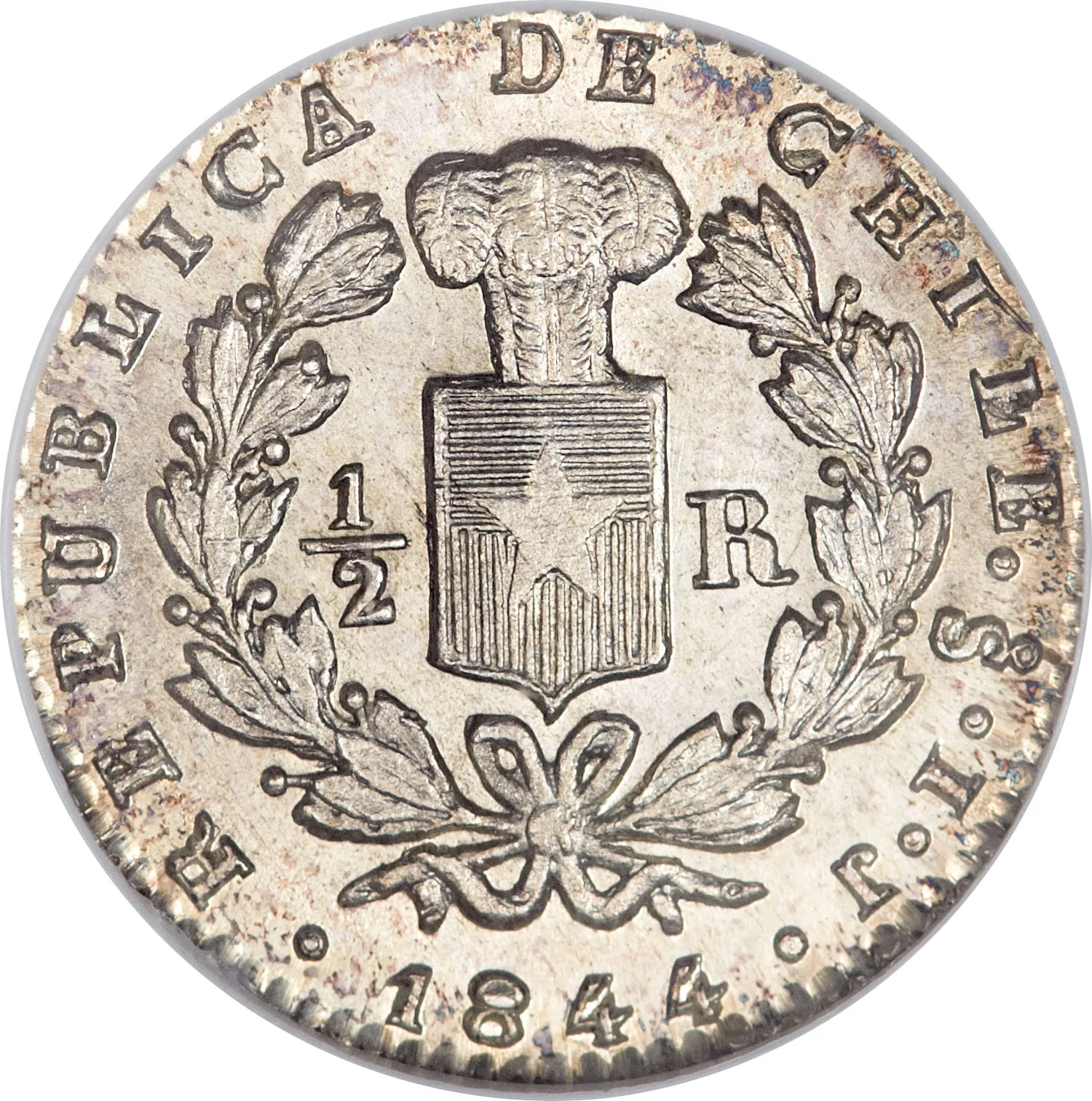
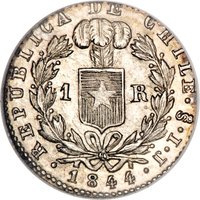
Obverse
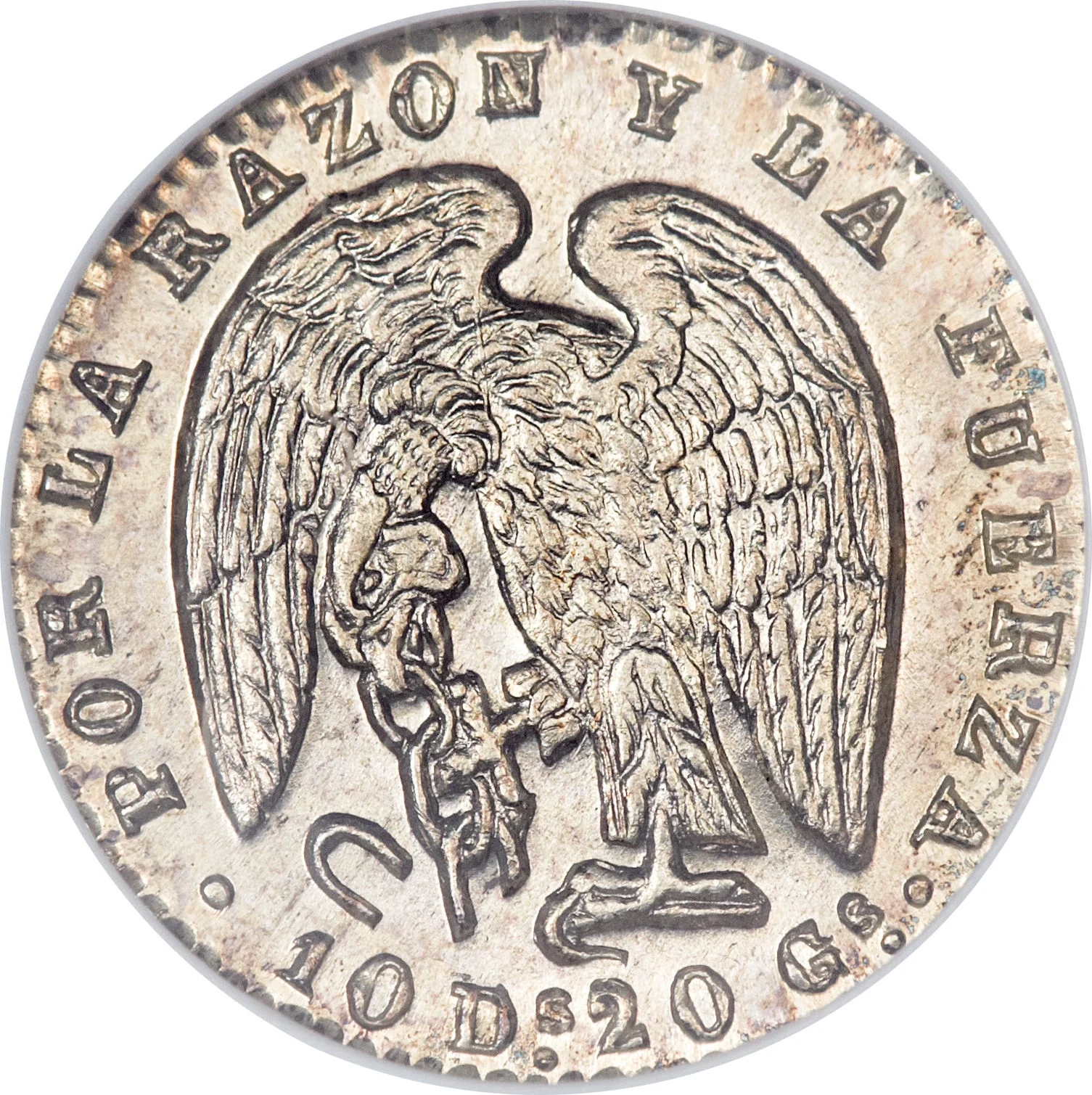
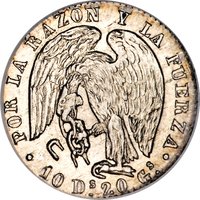
Reverse
Edge
Reeded
Mints
| Name | Mark |
|---|---|
| Casa de Moneda de Chile | (So) |
Mintings
| Year | Mint Mark | Mintage | Quality | Collection |
|---|---|---|---|---|
| 1844 | So | — | ||
| 1845 | So | — | ||
| 1846 | So | — | ||
| 1847 | So | — | ||
| 1848 | So | — | ||
| 1849 | So | — | ||
| 1851 | So | — |
Historical background
In 1844, Chile's currency situation was characterized by a complex and often chaotic system of multiple coinages in circulation, a legacy of the colonial period and early independence. The primary unit was the peso, but it coexisted with a variety of foreign coins, particularly Spanish colonial reales and other Latin American silver, leading to confusion in daily transactions. The state lacked a unified national minted currency, and the value of coins was often determined by their intrinsic metal content (silver or gold) rather than a guaranteed face value, making commerce cumbersome and prone to dispute.
This period fell under the financial policies of Minister Manuel Rengifo, who had stabilized state finances in the 1830s but had not resolved the fundamental monetary disorder. The government recognized the need for a standardized system to support growing trade and economic development. Consequently, a significant step was taken in 1844 with the authorization to establish a new, modern national mint (Casa de Moneda) in Santiago, tasked with producing uniform Chilean coinage to eventually replace the disparate foreign and old coins.
Therefore, 1844 represents a pivotal transitional year, marking the end of a period of monetary anarchy and the beginning of a concerted state-led effort to create a unified national currency. The foundation of the new mint set the stage for the eventual introduction of the decimal-based peso in 1851, divided into 100 centavos, which would finally bring order and modernity to Chile's monetary system and facilitate its integration into the global economy.
This period fell under the financial policies of Minister Manuel Rengifo, who had stabilized state finances in the 1830s but had not resolved the fundamental monetary disorder. The government recognized the need for a standardized system to support growing trade and economic development. Consequently, a significant step was taken in 1844 with the authorization to establish a new, modern national mint (Casa de Moneda) in Santiago, tasked with producing uniform Chilean coinage to eventually replace the disparate foreign and old coins.
Therefore, 1844 represents a pivotal transitional year, marking the end of a period of monetary anarchy and the beginning of a concerted state-led effort to create a unified national currency. The foundation of the new mint set the stage for the eventual introduction of the decimal-based peso in 1851, divided into 100 centavos, which would finally bring order and modernity to Chile's monetary system and facilitate its integration into the global economy.
💎 Very Rare