

Peru
Context
Material
References
KM: #Click to copy to clipboard208a
Numista: #35261
Value
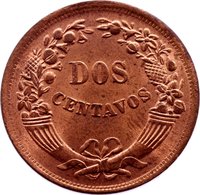
Exchange value: 0.01 PEH
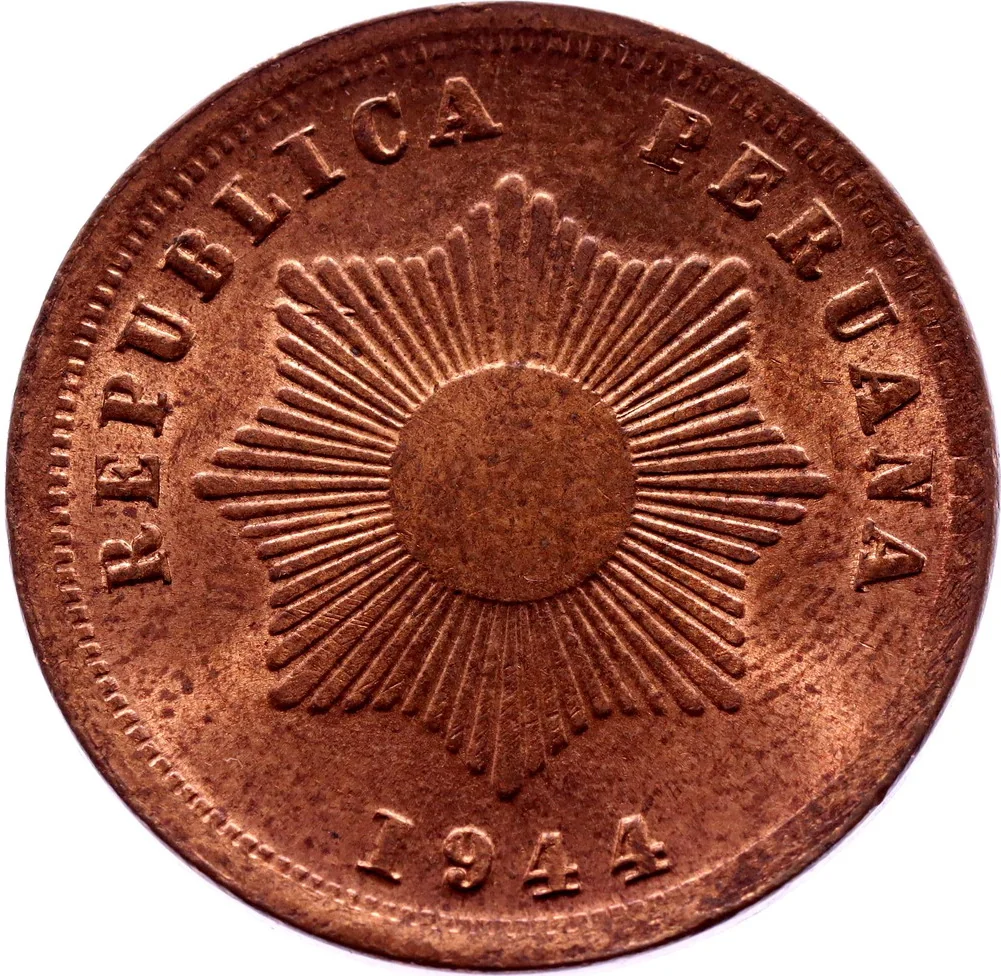
Obverse
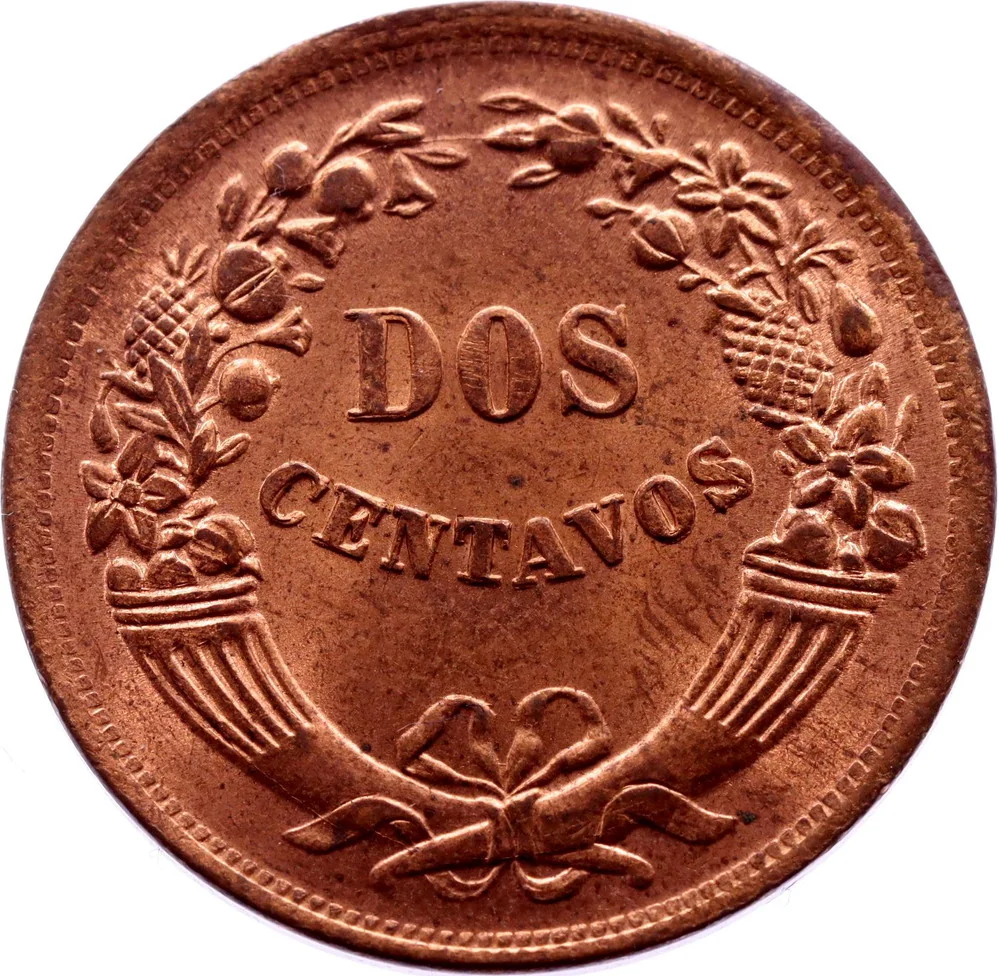
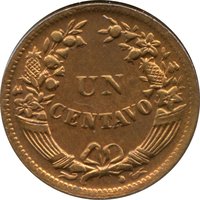
Reverse
Edge
Plain
Mintings
| Year | Mint Mark | Mintage | Quality | Collection |
|---|---|---|---|---|
| 1941 | — | — | ||
| 1942 | — | 2,865,000 | ||
| 1944 | — | 2,157,000 |
Historical background
In 1941, Peru's currency situation was characterized by the enduring legacy of the Great Depression and the early pressures of World War II. The country operated on a gold exchange standard, with the sol (also known as the libra peruana) officially pegged to the U.S. dollar and, by extension, to gold. However, this peg was managed by the Central Reserve Bank of Peru (founded in 1931), which held significant authority over exchange controls and monetary policy. The primary challenge was maintaining sufficient foreign exchange reserves, particularly U.S. dollars and pounds sterling, to back the currency and facilitate international trade, a task complicated by global economic instability.
The outbreak of World War II in 1939 had a profound, dual impact. Initially, it disrupted Peru's key export markets for commodities like cotton, sugar, and minerals, threatening the inflow of foreign currency. However, by 1941, as the United States mobilized for war and sought strategic raw materials, demand for Peruvian exports—especially copper, lead, and zinc—began to surge. This created a nascent improvement in the balance of payments and bolstered foreign reserves. Nevertheless, this positive trend was precarious and highly dependent on the volatile wartime economy, with the government acutely aware that any shift in Allied procurement could quickly reverse these gains.
Domestically, the currency regime was stable but constrained. The Central Bank maintained strict control over foreign exchange transactions to prevent capital flight and preserve the sol's official parity. Inflation was not yet a severe crisis, but wartime supply chain disruptions for imported goods created localized shortages and price pressures. Overall, Peru entered 1941 with a managed and relatively stable currency, but one that was fundamentally vulnerable to the external shocks of a world at war, setting the stage for the more pronounced economic transformations and inflationary pressures that would follow in the latter half of the 1940s.
The outbreak of World War II in 1939 had a profound, dual impact. Initially, it disrupted Peru's key export markets for commodities like cotton, sugar, and minerals, threatening the inflow of foreign currency. However, by 1941, as the United States mobilized for war and sought strategic raw materials, demand for Peruvian exports—especially copper, lead, and zinc—began to surge. This created a nascent improvement in the balance of payments and bolstered foreign reserves. Nevertheless, this positive trend was precarious and highly dependent on the volatile wartime economy, with the government acutely aware that any shift in Allied procurement could quickly reverse these gains.
Domestically, the currency regime was stable but constrained. The Central Bank maintained strict control over foreign exchange transactions to prevent capital flight and preserve the sol's official parity. Inflation was not yet a severe crisis, but wartime supply chain disruptions for imported goods created localized shortages and price pressures. Overall, Peru entered 1941 with a managed and relatively stable currency, but one that was fundamentally vulnerable to the external shocks of a world at war, setting the stage for the more pronounced economic transformations and inflationary pressures that would follow in the latter half of the 1940s.
🌱 Fairly Common