

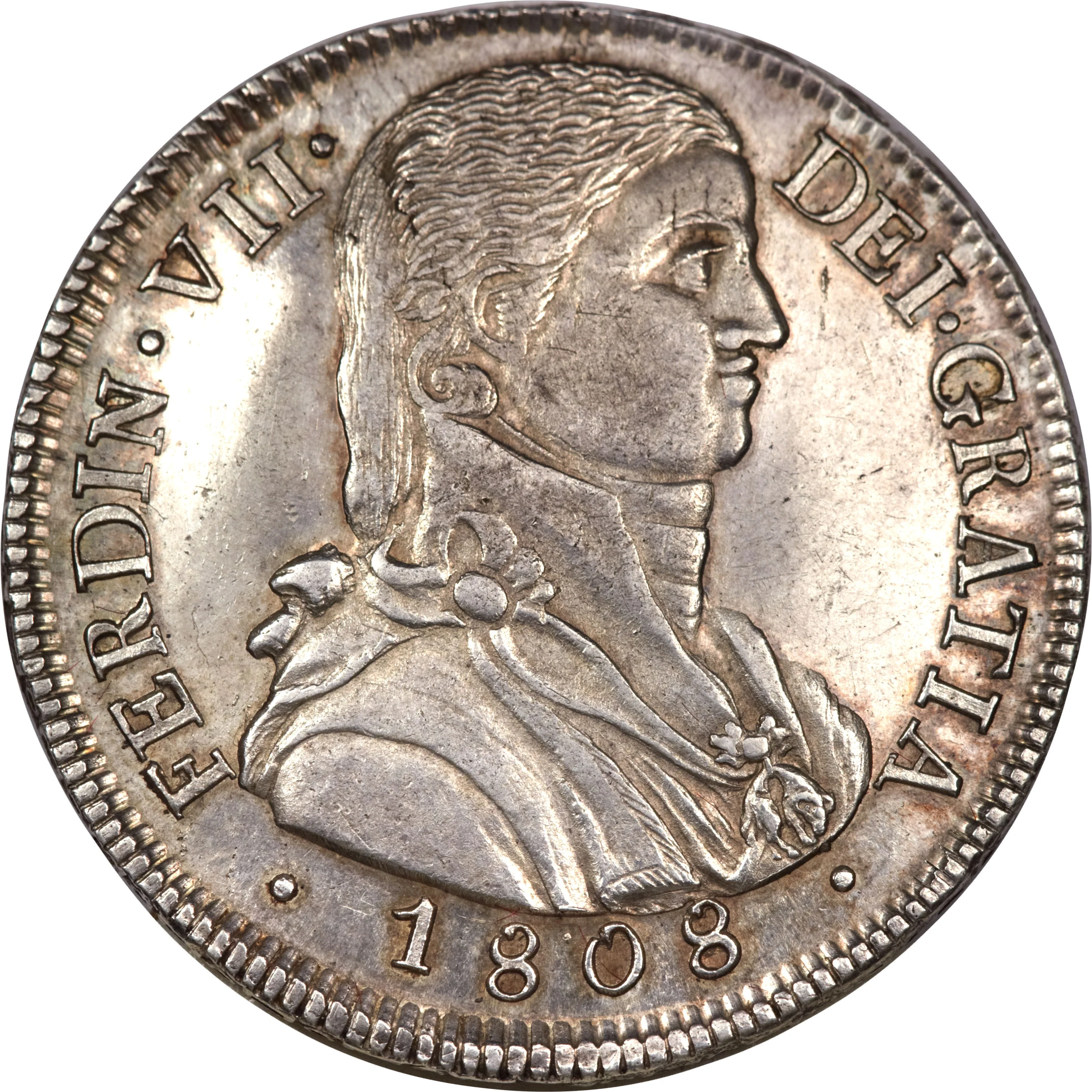
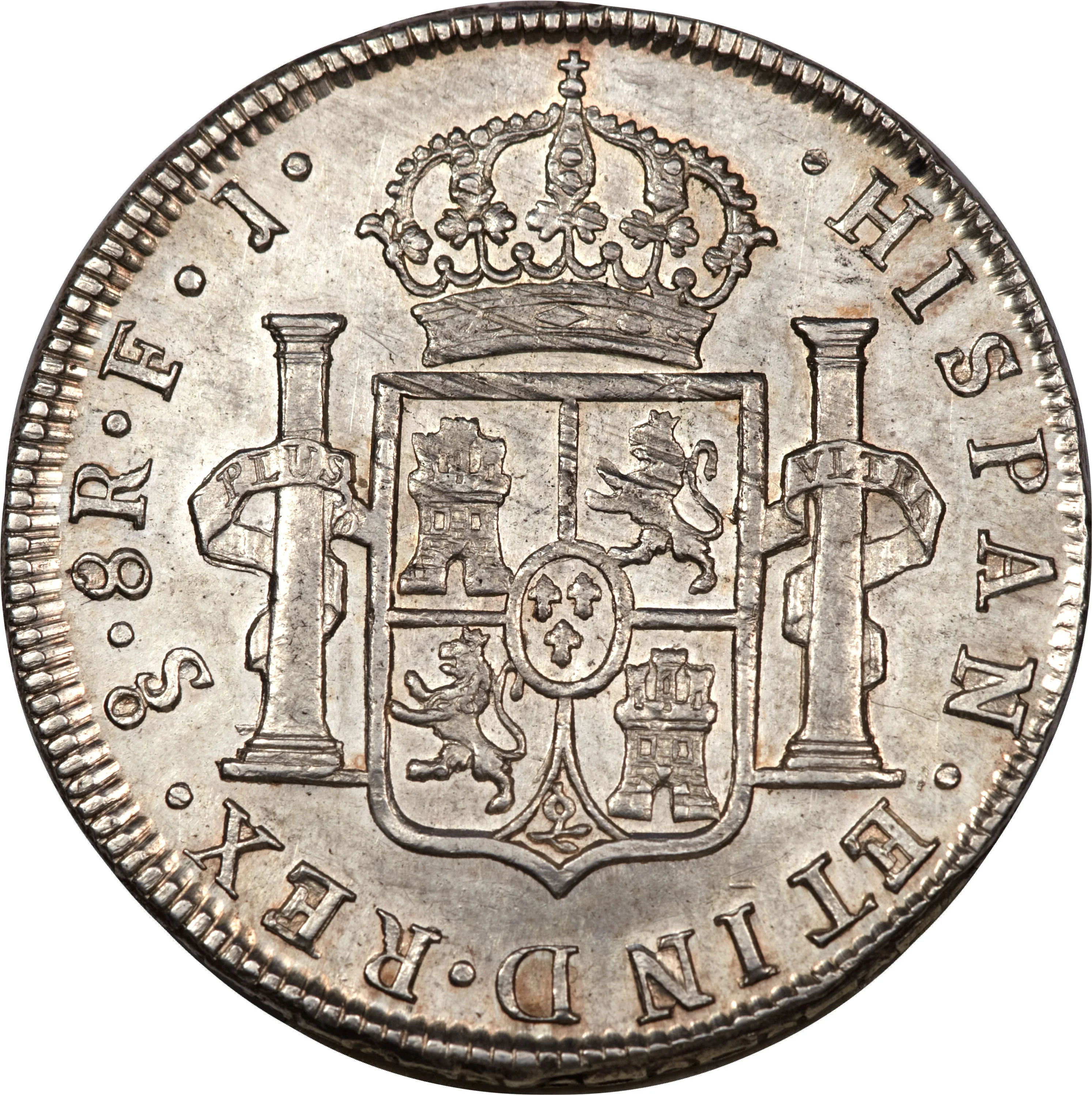
8 reales – Chile
Add to wishlist
Chile
Context
Years: 1808–1809
Issuer: Chile
Ruler: Ferdinand VII
Currency:
(1541—1852)
Demonetized: Yes
Total mintage: 257,000
Material
References
KM: #
Numista: #35211
Value
Bullion value: $61.98
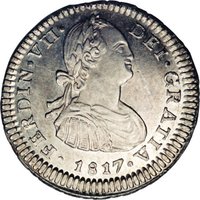
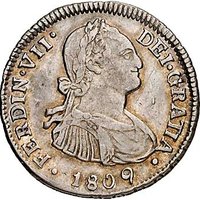
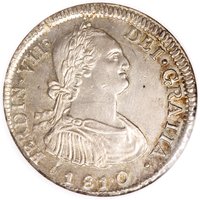
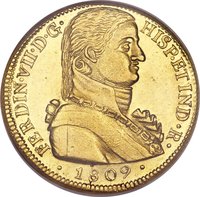
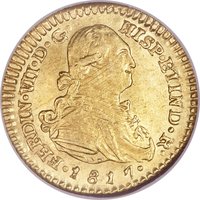
Obverse
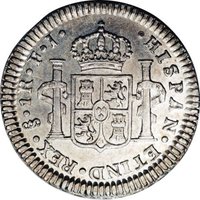
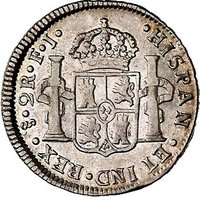
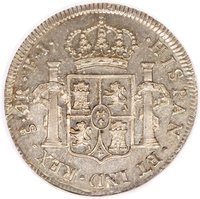
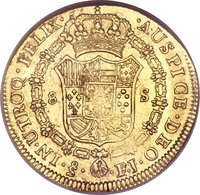
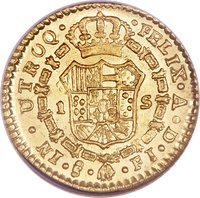
Reverse
Edge
Chained
Mints
| Name | Mark |
|---|---|
| Casa de Moneda de Chile | (So) |
Mintings
| Year | Mint Mark | Mintage | Quality | Collection |
|---|---|---|---|---|
| 1808 | So | 134,000 | ||
| 1809 | So | 123,000 |
Historical background
In 1808, Chile was a captaincy-general of the Spanish Empire, and its monetary system was entirely dependent on the metropolis. The official currency was the Spanish colonial real, with coins minted in precious metals—primarily silver from mines in Peru and Mexico—circulating as the backbone of the economy. However, Chile suffered from a chronic shortage of physical currency. Its economy was largely agrarian and export-oriented (centered on wheat, tallow, and copper), but the profits from these exports often flowed directly to Peruvian merchants and Spanish authorities, leaving the local economy starved of circulating coin. This scarcity hampered internal trade and daily transactions, leading to widespread use of informal credit and barter.
The situation was exacerbated by Spain's involvement in the Napoleonic Wars. The 1808 abdications of King Ferdinand VII and the French invasion of the Peninsula created a profound political and economic crisis that reverberated across the Atlantic. With the legitimate monarch imprisoned and the Spanish state in disarray, the regular shipment of coins and official communication to the colonies was severely disrupted. This deepened the existing monetary shortage in Chile, creating both a practical economic hardship and a symbolic rupture in one of the key tangible links to imperial authority.
Consequently, the local criollo elite in Santiago began to confront the practical realities of governing without clear directives from Spain. While formal independence was still three years away, the monetary crisis of 1808 forced local officials and merchants to consider stopgap measures and greater economic self-sufficiency. The vacuum of royal authority and the pressing need for a functional medium of exchange set the stage for the financial innovations and debates over monetary sovereignty that would become urgent during the early years of the Patria Vieja (1810-1814), as Chile took its first steps toward self-government.
The situation was exacerbated by Spain's involvement in the Napoleonic Wars. The 1808 abdications of King Ferdinand VII and the French invasion of the Peninsula created a profound political and economic crisis that reverberated across the Atlantic. With the legitimate monarch imprisoned and the Spanish state in disarray, the regular shipment of coins and official communication to the colonies was severely disrupted. This deepened the existing monetary shortage in Chile, creating both a practical economic hardship and a symbolic rupture in one of the key tangible links to imperial authority.
Consequently, the local criollo elite in Santiago began to confront the practical realities of governing without clear directives from Spain. While formal independence was still three years away, the monetary crisis of 1808 forced local officials and merchants to consider stopgap measures and greater economic self-sufficiency. The vacuum of royal authority and the pressing need for a functional medium of exchange set the stage for the financial innovations and debates over monetary sovereignty that would become urgent during the early years of the Patria Vieja (1810-1814), as Chile took its first steps toward self-government.
Series: 1808 Chile circulation coins

✨ Legendary