

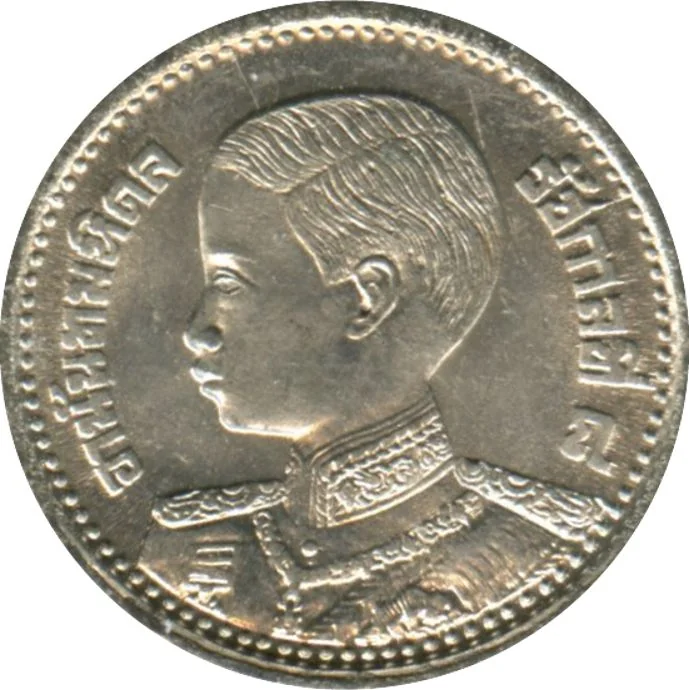
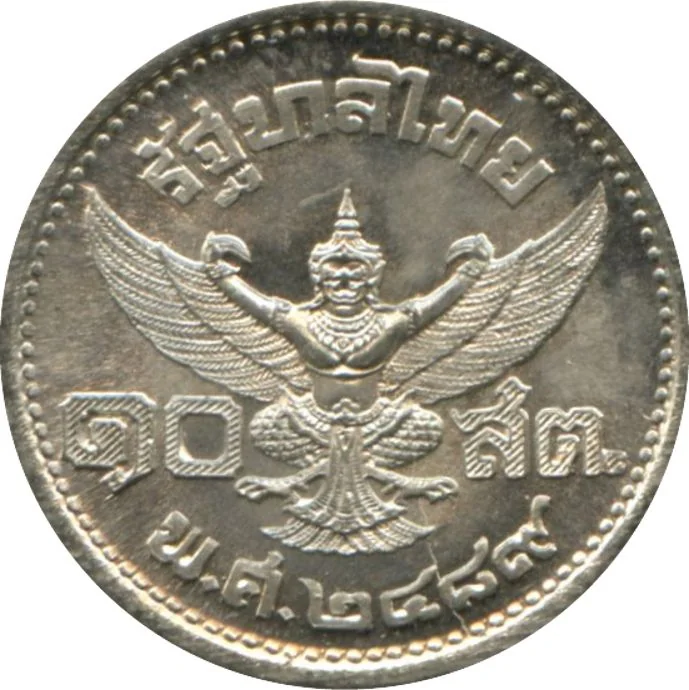
10 satangs – Thailand
Add to wishlist
Thailand
Context
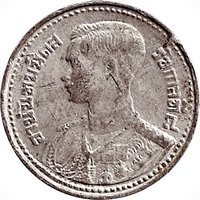
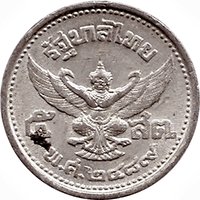
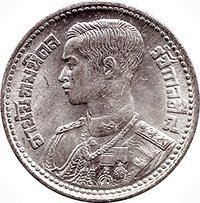
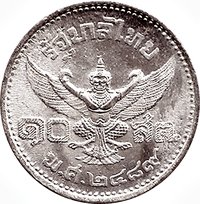
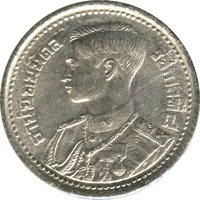
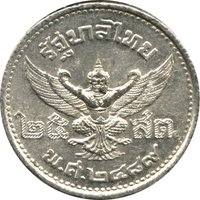
Year: 1946
Thai Year:: 2489
Issuer: Thailand
Ruler: Ananda Mahidol
Currency:
(since 1897)
Demonetized: Yes
Total mintage: 13,025,000
Material
References
Y: #
Numista: #35129
Value
Exchange value: 0.10 THB
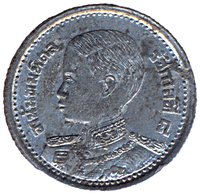
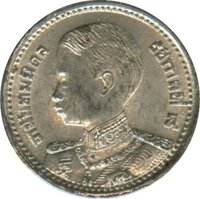
Obverse
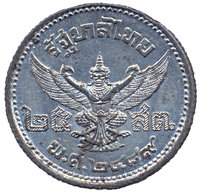
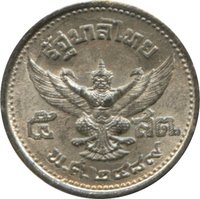
Reverse
Edge
Plain
Mintings
| Year | Mint Mark | Mintage | Quality | Collection |
|---|---|---|---|---|
| 1946 | — | 13,025,000 |
Historical background
In 1946, Thailand’s currency situation was defined by the turbulent aftermath of World War II and the legacy of the Japanese occupation. During the war, the occupying Japanese military had forced the Bank of Thailand to print massive amounts of baht to fund their operations, leading to severe inflation and a proliferation of currency in circulation. This period also saw the introduction of distinct "Japanese-sponsored" banknotes, which created a complex dual currency system alongside pre-war notes, undermining public confidence in the money's value.
The immediate post-war period brought significant economic strain and a critical balance of payments deficit. Thailand, required to provide free rice to Allied nations as part of postwar reparations, saw its vital export commodity drained, limiting a key source of foreign exchange. The country held minimal gold and foreign currency reserves, and the fixed exchange rate of the baht, which had been pegged to the Japanese yen during the war, was no longer tenable. This necessitated a difficult transition to a new pegged rate with major Western currencies under the supervision of the returning British and the victorious Allied powers.
Consequently, 1946 was a year of monetary stabilization and institutional rebuilding. The government, under Prime Minister Pridi Banomyong, worked to restore fiscal discipline and international credibility. A major step was the demonetization of the wartime Japanese-sponsored banknotes and a move toward a unified, managed currency system. These efforts, supported by negotiations with the International Monetary Fund (which Thailand would join in 1949), laid the groundwork for the financial reforms that would stabilize the baht and reintegrate Thailand into the global economy in the following years.
The immediate post-war period brought significant economic strain and a critical balance of payments deficit. Thailand, required to provide free rice to Allied nations as part of postwar reparations, saw its vital export commodity drained, limiting a key source of foreign exchange. The country held minimal gold and foreign currency reserves, and the fixed exchange rate of the baht, which had been pegged to the Japanese yen during the war, was no longer tenable. This necessitated a difficult transition to a new pegged rate with major Western currencies under the supervision of the returning British and the victorious Allied powers.
Consequently, 1946 was a year of monetary stabilization and institutional rebuilding. The government, under Prime Minister Pridi Banomyong, worked to restore fiscal discipline and international credibility. A major step was the demonetization of the wartime Japanese-sponsored banknotes and a move toward a unified, managed currency system. These efforts, supported by negotiations with the International Monetary Fund (which Thailand would join in 1949), laid the groundwork for the financial reforms that would stabilize the baht and reintegrate Thailand into the global economy in the following years.
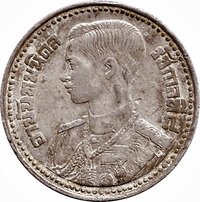
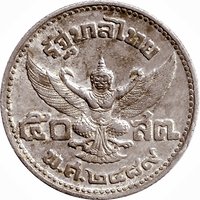
Series: 1946 Thailand circulation coins
🌟 Limited