

¼ dollar – United States
Add to wishlist
United States
Context
Year: 2023
Issuer: United States
Period:
(since 1776)
Currency:
(since 1785)
Subdivision: ¼ dollar = 25 Cents
Material

References
KM: #
Numista: #349983
Value
Exchange value: ¼ USD = $0.25
Bullion value: $16.18
Inflation-adjusted value: 0.27 USD
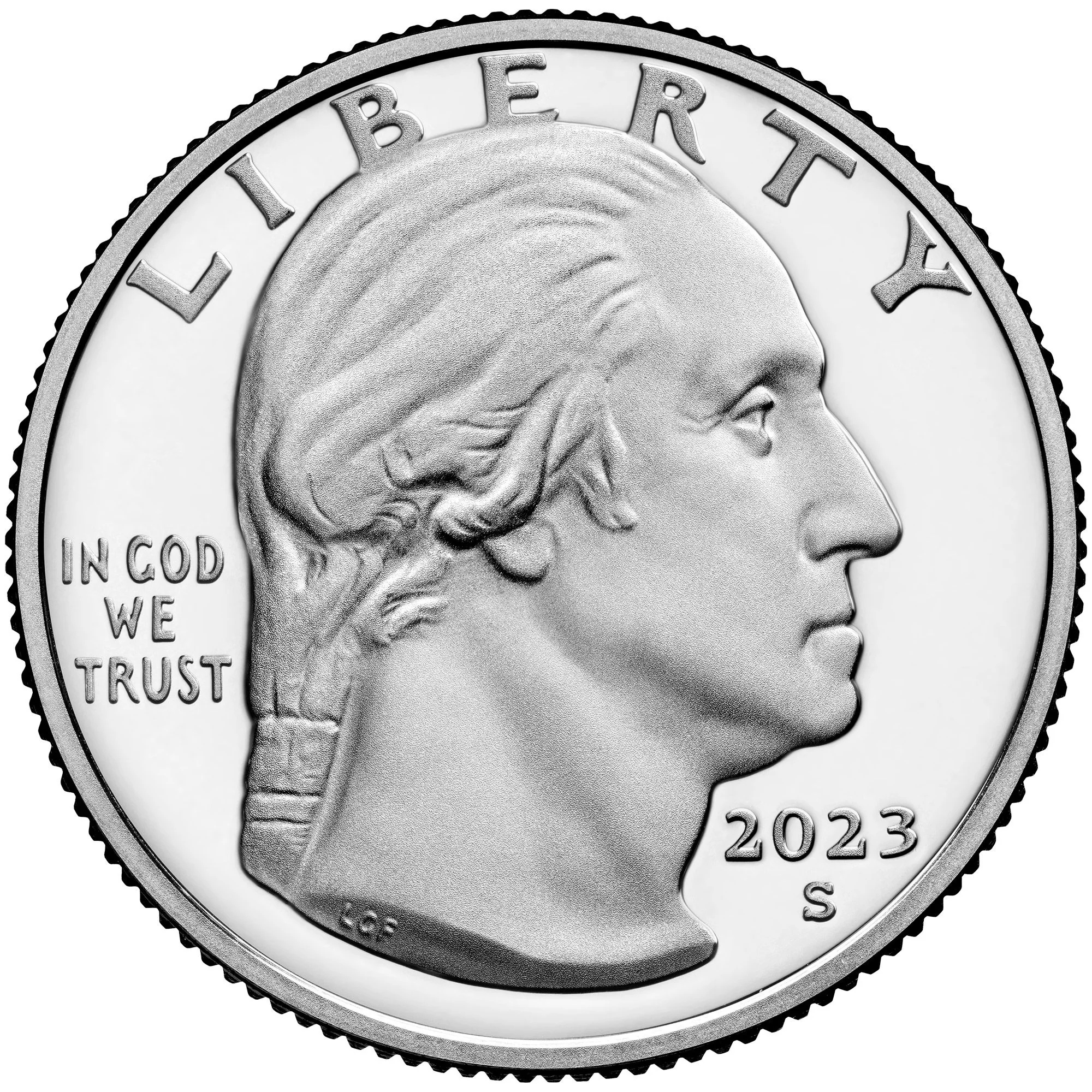
Obverse
Description:
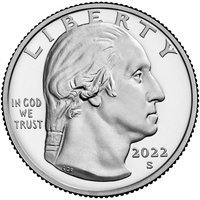
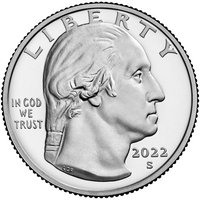
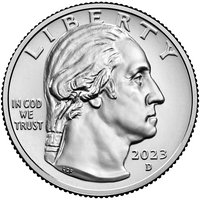
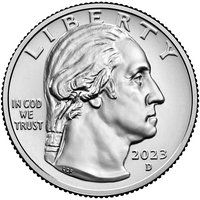
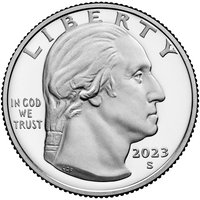
George Washington, right-facing portrait.
Inscription:
LIBERTY
IN GOD WE TRUST
2023
IN GOD WE TRUST
2023
Script: Latin
Designer and engraver: Laura Gardin Fraser
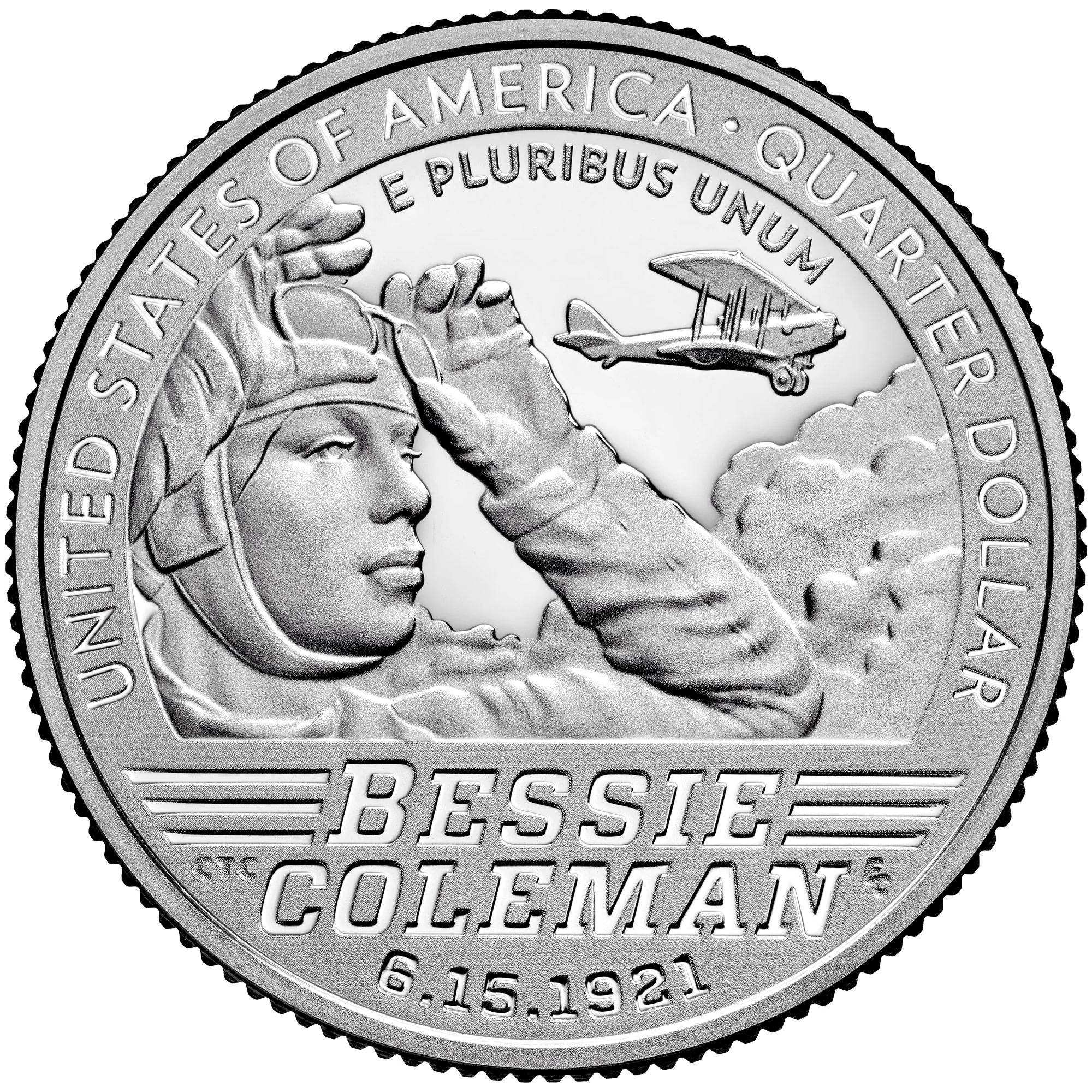
Reverse
Description:
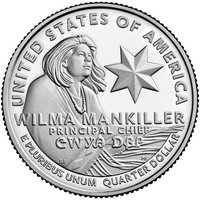
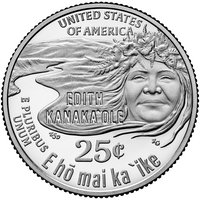
Bessie Coleman preparing for flight, her expression reflecting the freedom she found only in the sky. The date, 15 June 1921, marks when she earned her pilot's license.
Inscription:
UNITED STATES OF AMERICA
QUARTER DOLLAR
E PLURIBUS UNUM
BESSIE COLEMAN
6.15.1921
QUARTER DOLLAR
E PLURIBUS UNUM
BESSIE COLEMAN
6.15.1921
Engraver: Eric David Custer
Designer: Chris Costello
Edge
Reeded
Categories
| Person> Military leader |
| Person> Politician |
| Transportation> Aircraft |
| History> Feminism |
Mints
| Name | Mark |
|---|---|
| United States Mint of San Francisco | S |
Mintings
| Year | Mint Mark | Mintage | Quality | Collection |
|---|---|---|---|---|
| 2023 | S | — | Proof |
Historical background
In 2023, the United States currency situation was defined by the Federal Reserve's aggressive campaign to combat persistent inflation, which had reached a four-decade high in mid-2022. The central bank, led by Chair Jerome Powell, continued its cycle of interest rate hikes, raising the federal funds rate from near zero in early 2022 to a target range of 5.25% to 5.50% by July 2023—its highest level in 22 years. This monetary tightening aimed to cool demand by making borrowing more expensive, thereby slowing price increases across the economy. While the U.S. dollar remained strong globally due to these high relative interest rates and safe-haven demand, the domestic focus was squarely on the lagging effects of this policy on growth and prices.
The inflation rate, as measured by the Consumer Price Index (CPI), showed significant but uneven progress throughout the year. It fell from an annual peak of 9.1% in June 2022 to around 3% by mid-2023, largely due to easing energy and goods prices. However, "sticky" inflation in core services—such as housing, healthcare, and hospitality—proved more resilient, keeping core CPI elevated above 4%. This prompted the Fed to maintain a "higher for longer" interest rate stance, even after pausing hikes, emphasizing that the battle against inflation was not yet won and that further policy moves would be data-dependent.
The broader economic landscape presented a mixed picture, often described as navigating toward a "soft landing." The labor market remained surprisingly robust with low unemployment, supporting consumer spending and helping to avert an immediate recession. Yet, concerns grew about potential headwinds, including tighter credit conditions following regional banking stresses in March, the resumption of student loan payments, and depleted household savings. By year's end, the currency and monetary policy narrative centered on the delicate balance the Fed sought between restoring price stability and preserving economic growth, with markets keenly anticipating a potential pivot to rate cuts in 2024.
The inflation rate, as measured by the Consumer Price Index (CPI), showed significant but uneven progress throughout the year. It fell from an annual peak of 9.1% in June 2022 to around 3% by mid-2023, largely due to easing energy and goods prices. However, "sticky" inflation in core services—such as housing, healthcare, and hospitality—proved more resilient, keeping core CPI elevated above 4%. This prompted the Fed to maintain a "higher for longer" interest rate stance, even after pausing hikes, emphasizing that the battle against inflation was not yet won and that further policy moves would be data-dependent.
The broader economic landscape presented a mixed picture, often described as navigating toward a "soft landing." The labor market remained surprisingly robust with low unemployment, supporting consumer spending and helping to avert an immediate recession. Yet, concerns grew about potential headwinds, including tighter credit conditions following regional banking stresses in March, the resumption of student loan payments, and depleted household savings. By year's end, the currency and monetary policy narrative centered on the delicate balance the Fed sought between restoring price stability and preserving economic growth, with markets keenly anticipating a potential pivot to rate cuts in 2024.
Series: American Women Quarter Program

⭐ Somewhat Rare