

1 toman – Iran
Add to wishlist
Iran
Context
Year: 1864
Islamic (Hijri) Year:: 1281
Issuer: Iran
Ruler: Naser al-Din Shah
Currency:
(1825—1932)
Demonetized: Yes
Material
References
Numista: #139412
Value
Bullion value: $527.54
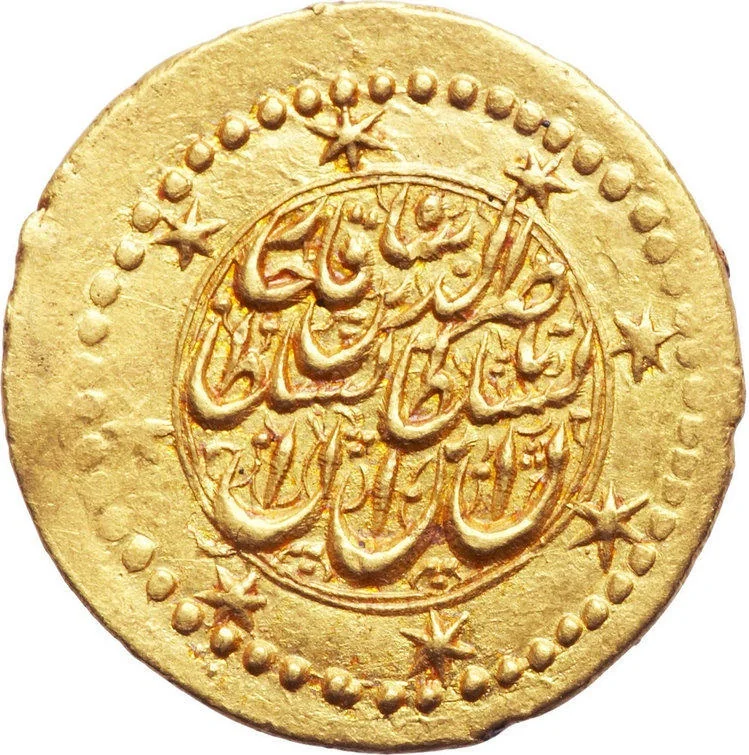
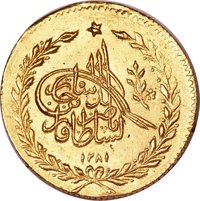
Obverse
Description:
Eight stars on each side, symbolizing the eighth Shi'a imam.
Inscription:
السلطان ابن السلطان ناصرالدین شاه قاجار
Translation:
The Sultan, son of the Sultan, Naser al-Din Shah Qajar
Language: Arabic
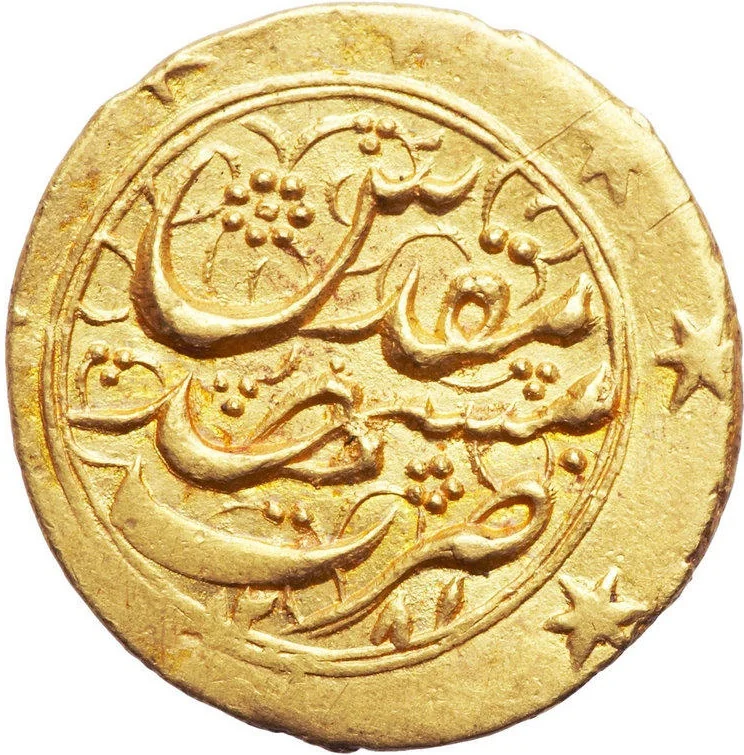
Reverse
Inscription:
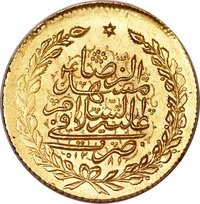
ضرب مشهد مقدس
۱۲۸۱
۱۲۸۱
Translation:
Struck in the Holy Shrine of Mashhad
[12]81
[12]81
Language: Persian
Edge
Plain
Mintings
| Year | Mint Mark | Mintage | Quality | Collection |
|---|---|---|---|---|
| 1864 | — | — |
Historical background
In 1864, Iran’s currency system was in a state of profound disarray, a legacy of centuries of debasement and weak central control. The monetary landscape was a complex and fragmented patchwork of coins, primarily silver krans and copper shahis, with no standardized national paper currency. The value and silver content of coins could vary significantly depending on their mint location and the year of issue, leading to widespread confusion in trade. Furthermore, foreign currencies, particularly the Russian ruble and British pound, circulated widely in border regions and major trading ports, undermining the domestic monetary authority and reflecting Iran’s growing economic dependence on foreign powers.
This instability was exacerbated by the fiscal policies of the Qajar dynasty. Chronic budget deficits, driven by court extravagance and military expenses, were often addressed by debasing the coinage—reducing the silver content while maintaining the same face value. This practice, essentially a form of inflation, eroded public trust in the currency and led to hoarding of full-weight coins (Gresham’s Law in action), which only worsened the circulation of poor-quality money. The government’s lack of a central bank or modern treasury meant there was no effective institution to manage the money supply or stabilize the currency.
The year 1864 falls within a period just before more systematic, though still flawed, reforms. It was a low point that highlighted the urgent need for change, which would eventually lead to the establishment of the Imperial Bank of Persia by British concession in 1889, introducing banknotes. Thus, the currency situation in 1864 was characterized by metallic chaos, state-induced devaluation, and foreign economic encroachment, all of which hindered domestic commerce and reflected the broader struggles of the Qajar state to modernize its financial structures in the face of internal weakness and external pressure.
This instability was exacerbated by the fiscal policies of the Qajar dynasty. Chronic budget deficits, driven by court extravagance and military expenses, were often addressed by debasing the coinage—reducing the silver content while maintaining the same face value. This practice, essentially a form of inflation, eroded public trust in the currency and led to hoarding of full-weight coins (Gresham’s Law in action), which only worsened the circulation of poor-quality money. The government’s lack of a central bank or modern treasury meant there was no effective institution to manage the money supply or stabilize the currency.
The year 1864 falls within a period just before more systematic, though still flawed, reforms. It was a low point that highlighted the urgent need for change, which would eventually lead to the establishment of the Imperial Bank of Persia by British concession in 1889, introducing banknotes. Thus, the currency situation in 1864 was characterized by metallic chaos, state-induced devaluation, and foreign economic encroachment, all of which hindered domestic commerce and reflected the broader struggles of the Qajar state to modernize its financial structures in the face of internal weakness and external pressure.
✨ Legendary