

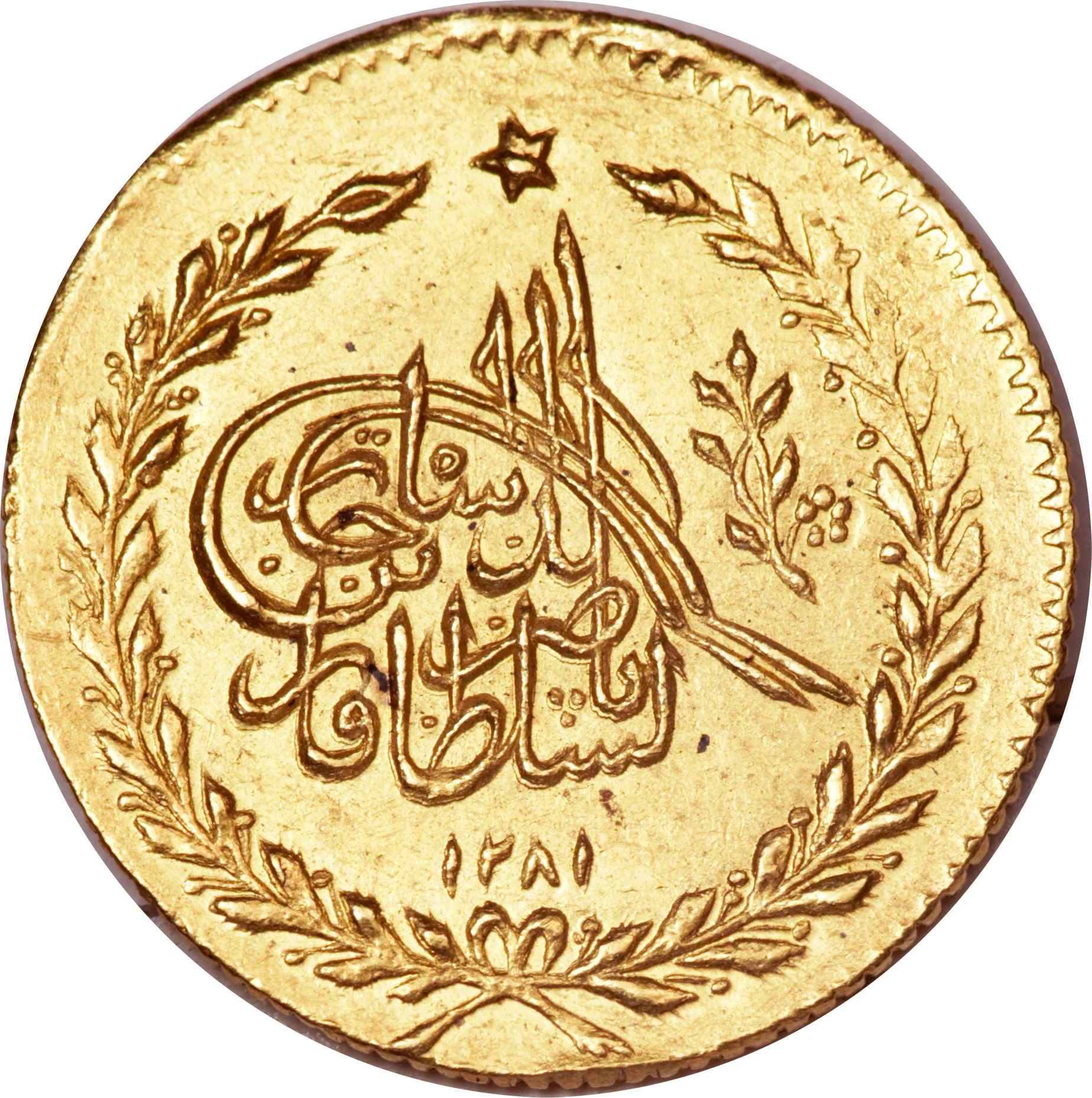
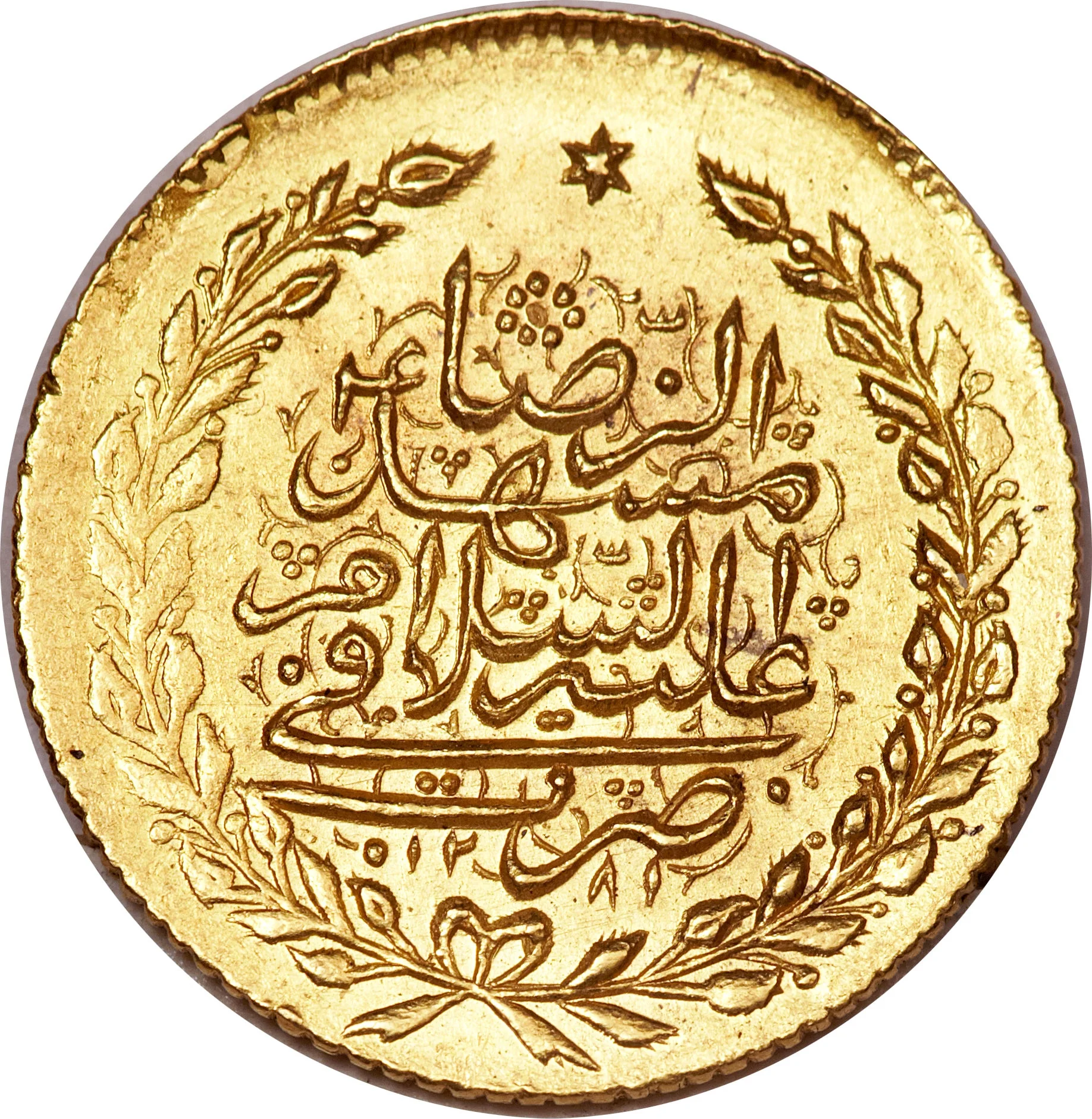
2 toman – Iran
Add to wishlist
Iran
Context
Year: 1865
Islamic (Hijri) Year:: 1281
Issuer: Iran
Ruler: Naser al-Din Shah
Currency:
(1825—1932)
Demonetized: Yes
Material
References
KM: #
Numista: #29114
Value
Bullion value: $1062.17
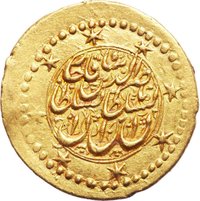
Obverse
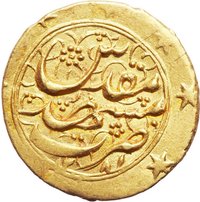
Reverse
Edge
Mints
| Name | Mark |
|---|---|
| Mashhad Muqaddas | مشهد |
Mintings
| Year | Mint Mark | Mintage | Quality | Collection |
|---|---|---|---|---|
| 1865 | — | — |
Historical background
In 1865, Iran's monetary system was a complex and troubled reflection of the Qajar dynasty's broader administrative and economic weaknesses. The country operated on a bimetallic system, with silver qirans and gold tomans as the primary units, but the coinage was notoriously chaotic. There was no central, standardized minting; instead, provincial authorities and even powerful individuals issued their own coins, leading to a bewildering variety of weights, purities, and denominations in circulation. This lack of uniformity crippled domestic trade and made financial transactions with foreign merchants fraught with difficulty and discounting.
The situation was exacerbated by severe external economic pressures. European powers, particularly Russia and Great Britain, were increasing their commercial and political influence in Iran. A significant outflow of silver to finance trade deficits and the hoarding of precious metals by a nervous population led to recurring shortages of specie. Furthermore, the government frequently resorted to debasement—reducing the silver content in coins—to fund its expenditures, further destroying public confidence in the currency's value. This practice triggered inflation and a vicious cycle where the real value of state revenue fell, prompting more debasement.
Consequently, the year 1865 fell within a period of protracted monetary crisis that hindered economic development. The instability discouraged both domestic and foreign investment, while the state's inability to control its currency underscored its fiscal fragility. While major monetary reforms, such as the establishment of a state mint (Dar al-Zarb) and the introduction of a silver standard, were still a few decades away, the dysfunctions of 1865 highlighted the urgent need for centralization and modernization that would preoccupy reform-minded Iranians into the 20th century.
The situation was exacerbated by severe external economic pressures. European powers, particularly Russia and Great Britain, were increasing their commercial and political influence in Iran. A significant outflow of silver to finance trade deficits and the hoarding of precious metals by a nervous population led to recurring shortages of specie. Furthermore, the government frequently resorted to debasement—reducing the silver content in coins—to fund its expenditures, further destroying public confidence in the currency's value. This practice triggered inflation and a vicious cycle where the real value of state revenue fell, prompting more debasement.
Consequently, the year 1865 fell within a period of protracted monetary crisis that hindered economic development. The instability discouraged both domestic and foreign investment, while the state's inability to control its currency underscored its fiscal fragility. While major monetary reforms, such as the establishment of a state mint (Dar al-Zarb) and the introduction of a silver standard, were still a few decades away, the dysfunctions of 1865 highlighted the urgent need for centralization and modernization that would preoccupy reform-minded Iranians into the 20th century.

✨ Legendary