

10 cents – Solomon Islands
Add to wishlist
Solomon Islands
Context
Material
Diameter: 23.6 mm
Weight: 5.65 g
Thickness: 1.85 mm
Shape: Round
Composition: Copper-nickel
Magnetic: No
Technique: Milled
Alignment: Medal alignment
flip
References
KM: #
Numista: #3485
Value
Exchange value: 0.10 SBD
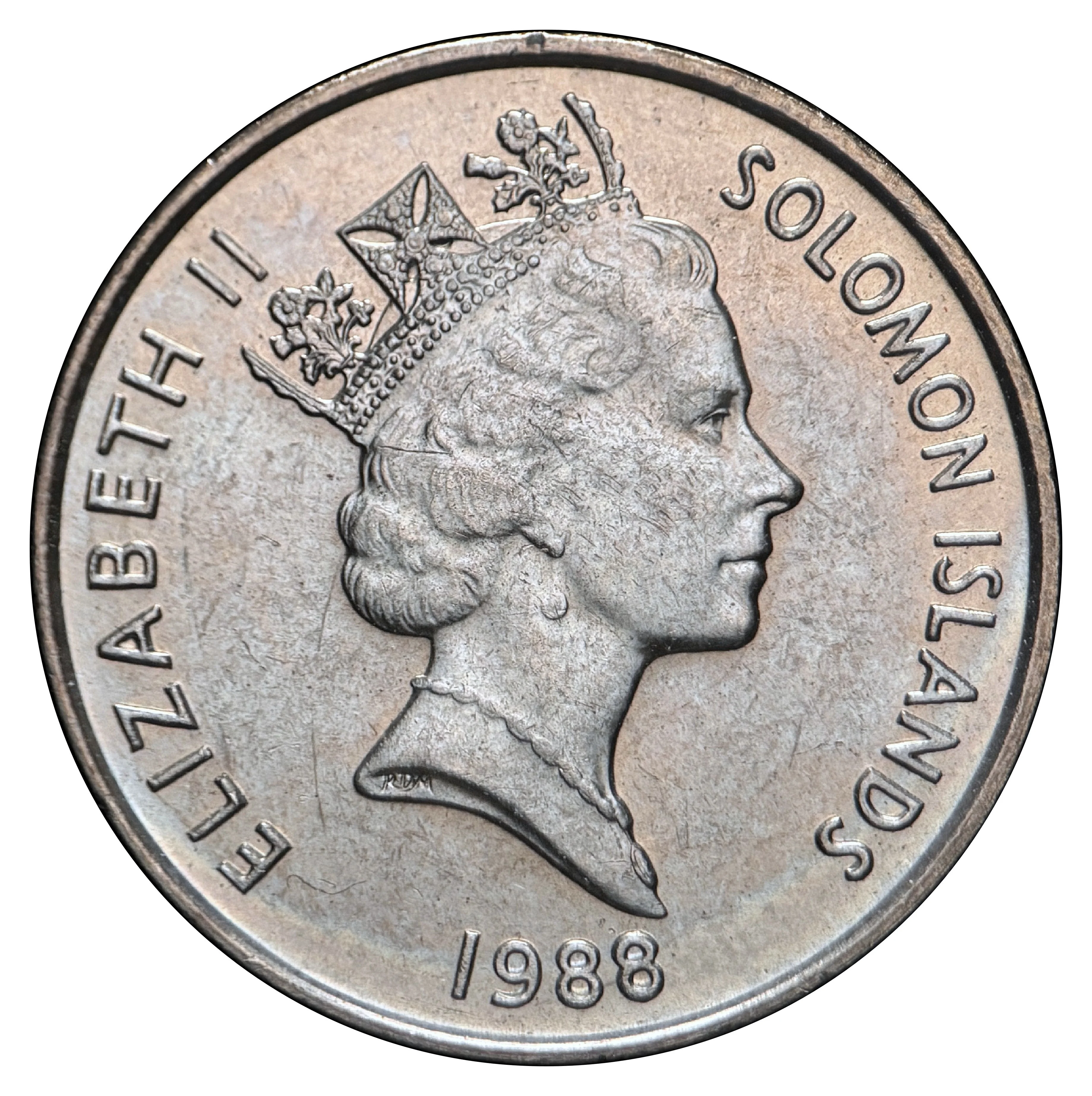
Obverse
Description:
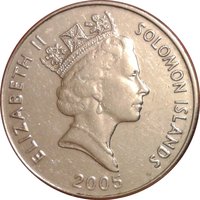
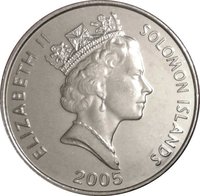
Queen Elizabeth II facing right.
Inscription:
ELIZABETH II SOLOMON ISLANDS
1988
1988
Translation:
ELIZABETH II SOLOMON ISLANDS
1988
1988
Script: Latin
Engraver: Raphael David Maklouf
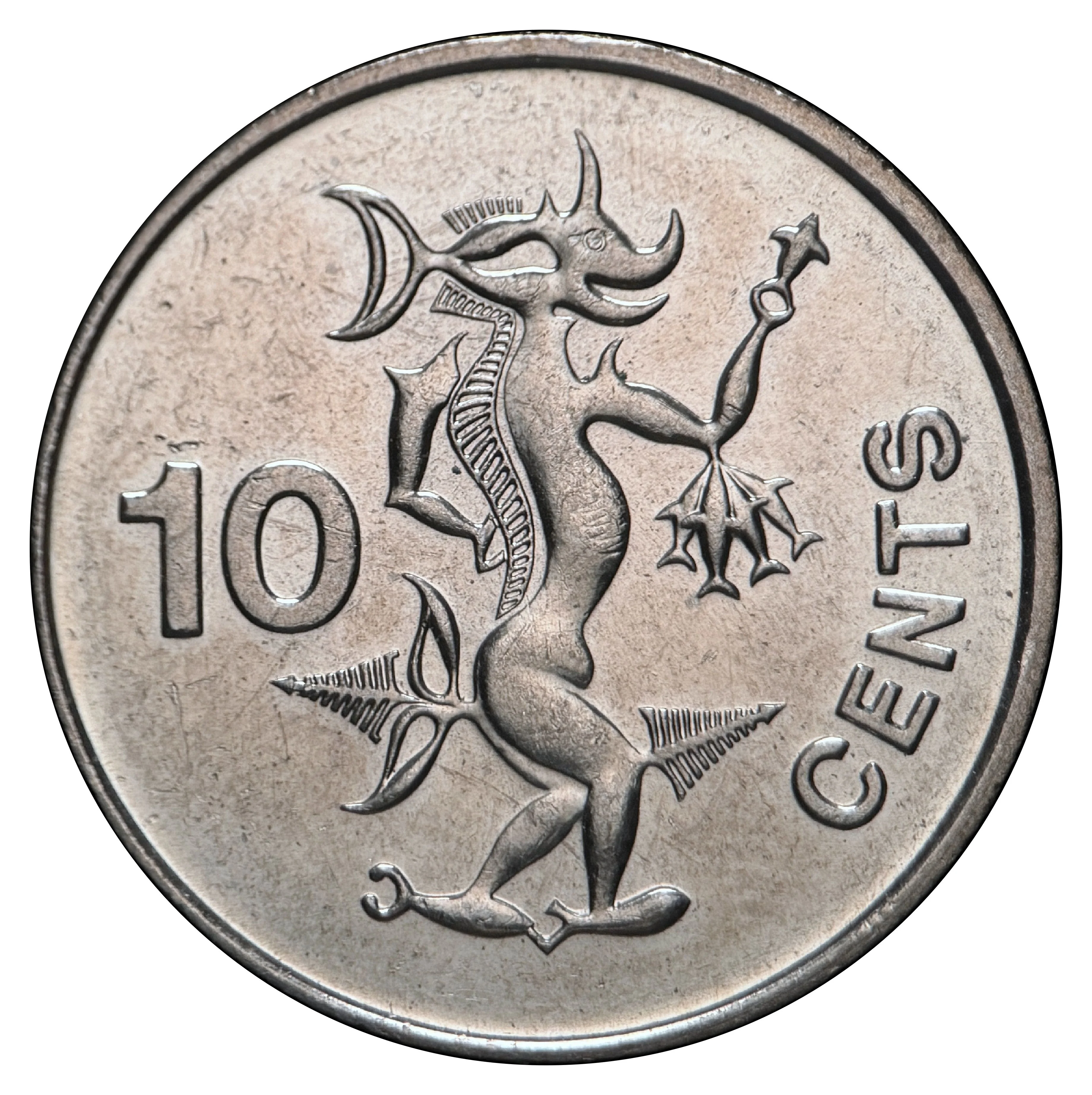
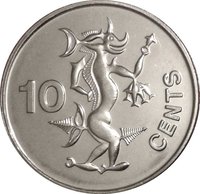
Reverse
Edge
Milled
Mintings
| Year | Mint Mark | Mintage | Quality | Collection |
|---|---|---|---|---|
| 1988 | — | — |
Historical background
In 1988, the currency situation in Solomon Islands was defined by the nation's reliance on the Solomon Islands dollar (SBD), which had been established as the official currency just four years earlier in 1977, following independence from Britain in 1978. Prior to this, the country used the Australian dollar. The late 1980s were a period of economic vulnerability for the young nation, heavily dependent on exports of timber, copra, and palm oil. Global price fluctuations for these commodities directly impacted foreign exchange reserves and placed consistent pressure on the national currency's value, which was managed via a peg to a basket of currencies of its major trading partners.
The government, under Prime Minister Ezekiel Alebua, faced significant challenges in maintaining monetary stability. A substantial budget deficit and a growing national debt strained public finances. While not in a state of hyperinflation, the period was marked by inflationary pressures and concerns over the sustainability of the peg. The Central Bank of Solomon Islands had the difficult task of balancing the need to support economic growth with the imperative to protect the currency's value and the country's limited foreign reserves.
Overall, the currency situation in 1988 reflected the broader struggles of a nascent economy finding its footing in the global market. The stability of the Solomon Islands dollar was a central concern, directly tied to the health of its primary industries and the government's fiscal discipline. This period set the stage for the more severe economic difficulties that would emerge in the following decade, including a significant devaluation in the 1990s.
The government, under Prime Minister Ezekiel Alebua, faced significant challenges in maintaining monetary stability. A substantial budget deficit and a growing national debt strained public finances. While not in a state of hyperinflation, the period was marked by inflationary pressures and concerns over the sustainability of the peg. The Central Bank of Solomon Islands had the difficult task of balancing the need to support economic growth with the imperative to protect the currency's value and the country's limited foreign reserves.
Overall, the currency situation in 1988 reflected the broader struggles of a nascent economy finding its footing in the global market. The stability of the Solomon Islands dollar was a central concern, directly tied to the health of its primary industries and the government's fiscal discipline. This period set the stage for the more severe economic difficulties that would emerge in the following decade, including a significant devaluation in the 1990s.
🌱 Fairly Common