

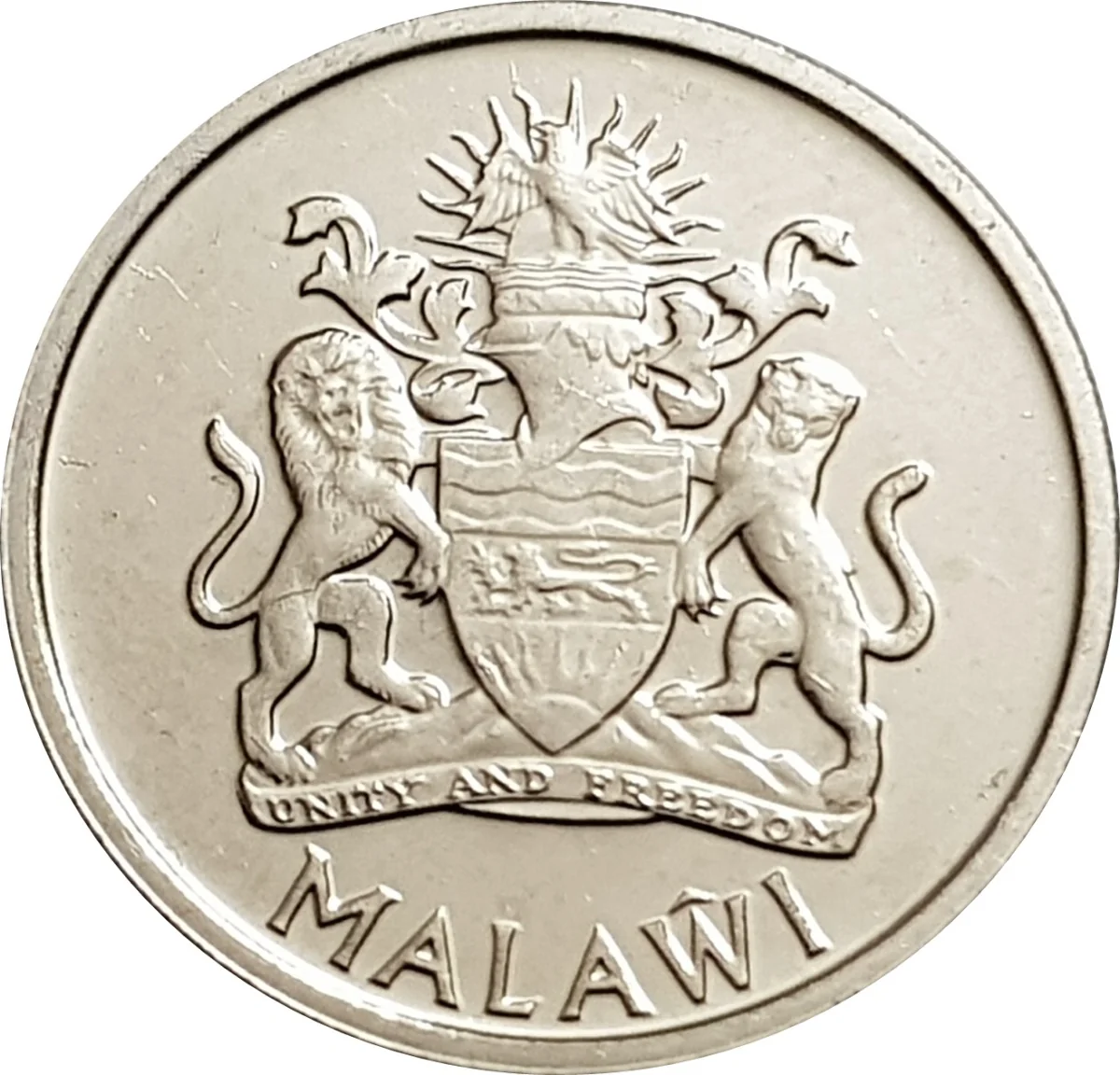
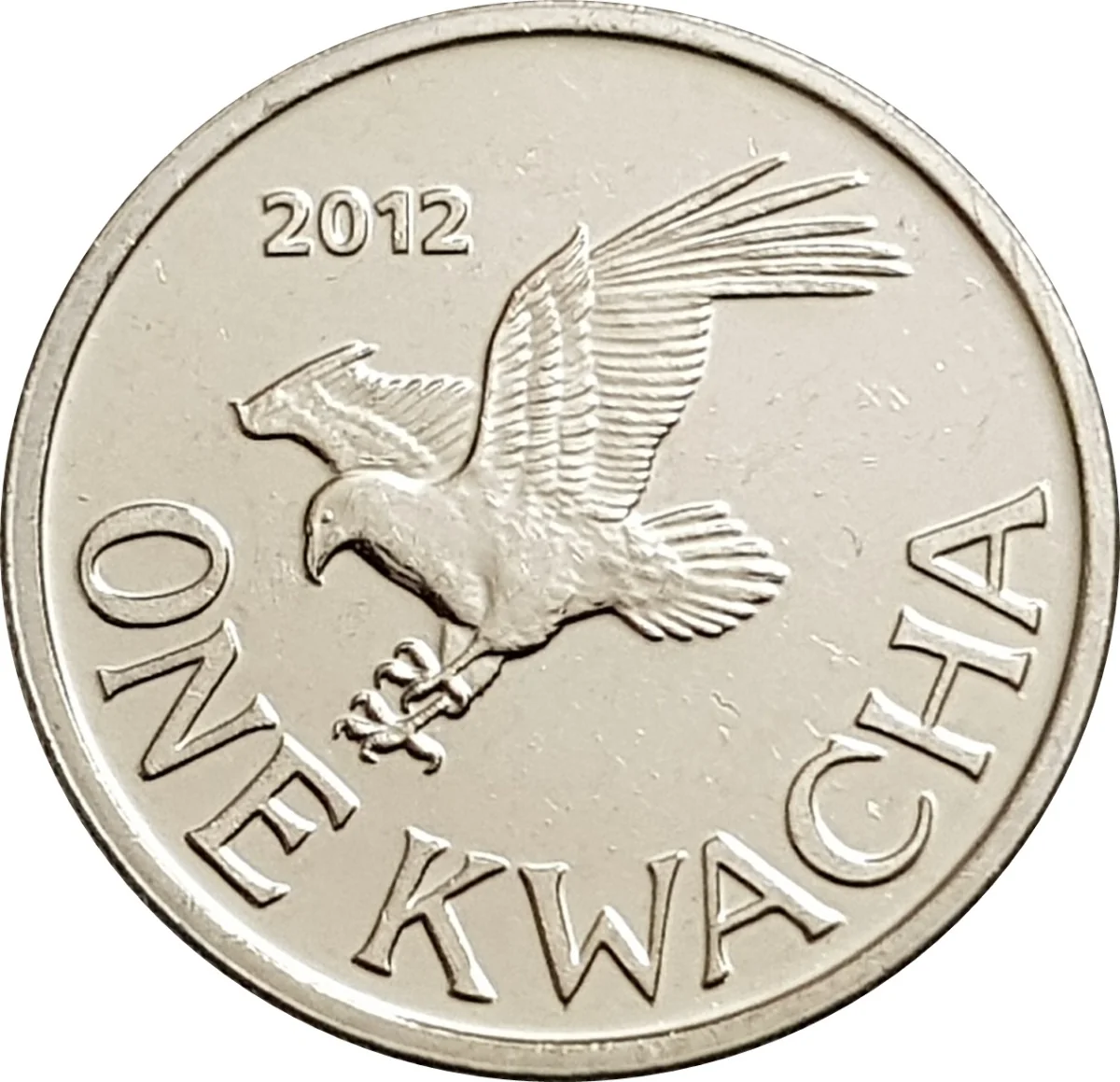
1 kwacha – Malawi
Add to wishlist
Malawi
Material
Diameter: 19.91 mm
Weight: 2.83 g
Thickness: 1 mm
Shape: Round
Composition: Stainless steel
Technique: Milled
Alignment: Medal alignment
flip
References
KM: #
Numista: #34784
Value
Exchange value: 1 MWK
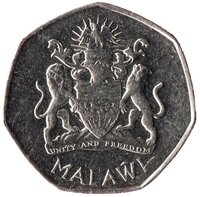
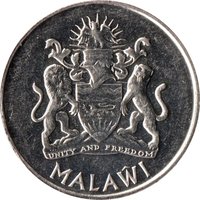
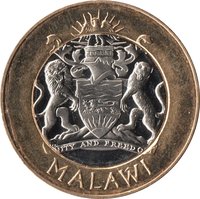
Obverse
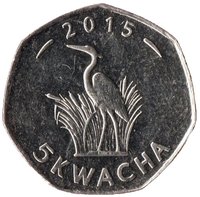
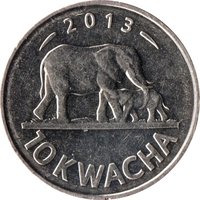
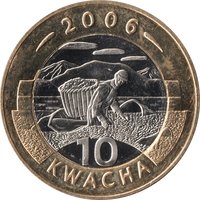
Reverse
Edge
Reeded
Categories
| Animal> Bird> Eagle |
| Symbols> Coat of Arms |
Mintings
| Year | Mint Mark | Mintage | Quality | Collection |
|---|---|---|---|---|
| 2012 | — | — | ||
| 2013 | — | — | ||
| 2018 | — | — |
Historical background
In 2012, Malawi faced a severe foreign exchange crisis that crippled its economy. The situation was precipitated by a combination of factors, including a dramatic fall in tobacco prices (the country's primary export earner), the suspension of budget support by major donors following governance concerns, and a persistent overvalued exchange rate maintained by the administration of President Bingu wa Mutharika. This led to critical shortages of fuel, medicines, and other essential imports, creating widespread economic hardship and social unrest.
The crisis came to a head shortly after the sudden death of President Mutharika in April 2012 and the subsequent ascension of President Joyce Banda. Facing empty foreign reserves and immense pressure from the International Monetary Fund (IMF), her new administration took the decisive and painful step of devaluing the Malawian kwacha by 49% in May 2012 and subsequently moving to a market-determined float. This was a condition for resuming the IMF's Extended Credit Facility, which was essential to unlock other donor funding.
The immediate aftermath of the devaluation was intensely difficult for Malawians, causing a sharp spike in inflation (which soared to over 30%) and significantly increasing the cost of living. However, the move was viewed by the IMF and international economists as a necessary correction to restore macroeconomic stability. It aimed to curb the black market for foreign currency, rebuild depleted reserves, and eventually correct trade imbalances by making Malawian exports more competitive, though the short-term social costs were severe.
The crisis came to a head shortly after the sudden death of President Mutharika in April 2012 and the subsequent ascension of President Joyce Banda. Facing empty foreign reserves and immense pressure from the International Monetary Fund (IMF), her new administration took the decisive and painful step of devaluing the Malawian kwacha by 49% in May 2012 and subsequently moving to a market-determined float. This was a condition for resuming the IMF's Extended Credit Facility, which was essential to unlock other donor funding.
The immediate aftermath of the devaluation was intensely difficult for Malawians, causing a sharp spike in inflation (which soared to over 30%) and significantly increasing the cost of living. However, the move was viewed by the IMF and international economists as a necessary correction to restore macroeconomic stability. It aimed to curb the black market for foreign currency, rebuild depleted reserves, and eventually correct trade imbalances by making Malawian exports more competitive, though the short-term social costs were severe.
🌱 Common