

1 pound – Jersey
Add to wishlist
Context
Year: 1992
Country: British Crown dependencies
Issuer: Jersey
Ruler: Elizabeth II
Currency:
(since 1971)
Demonetized: Yes
Total mintage: 204
Material
References
KM: #
Numista: #346320
Value
Exchange value: 1 JEP
Bullion value: $2768.25
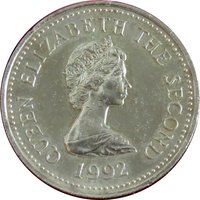
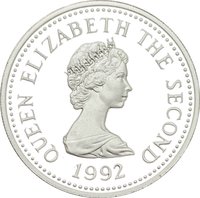
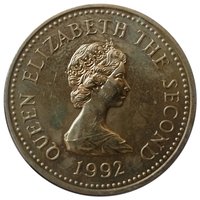
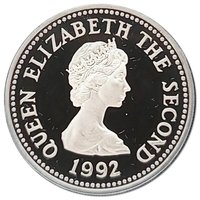
Obverse
Description:
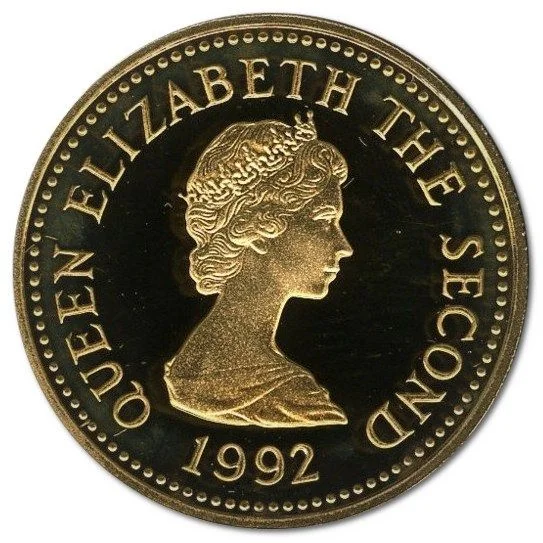
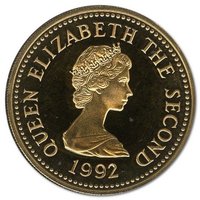
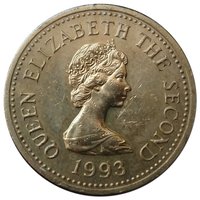
Queen Elizabeth II facing right in the Girls of Great Britain tiara.
Inscription:
QUEEN ELIZABETH THE SECOND
1992
1992
Script: Latin
Engraver: Arnold Machin
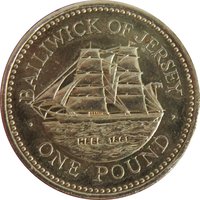
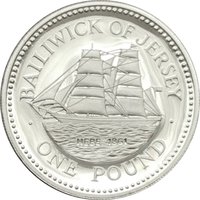
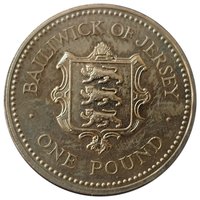
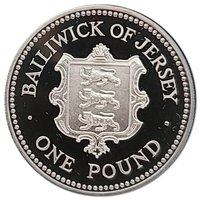
Reverse
Description:
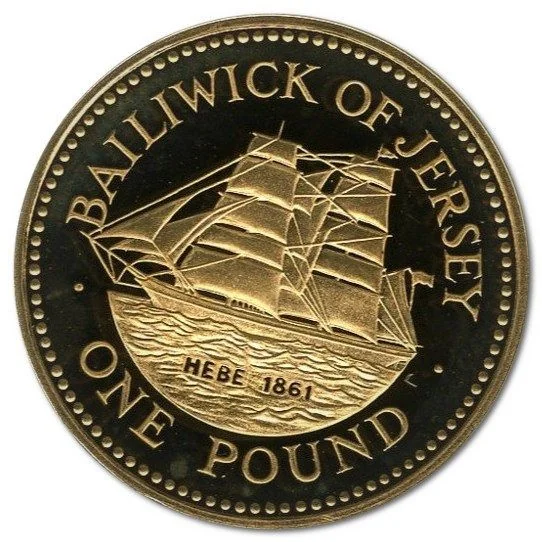
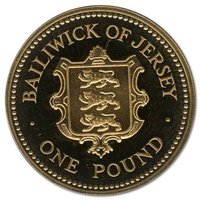
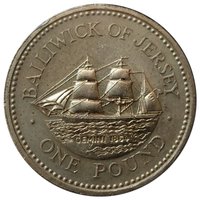
Sailing ship.
Inscription:
BAILIWICK OF JERSEY
HEBE 1861
· ONE POUND ·
HEBE 1861
· ONE POUND ·
Script: Latin
Engraver: Robert Evans
Edge
Milled with inscription.
Legend:
INSULA CAESARE
Categories
| Transportation> Watercraft |
Mints
| Name | Mark |
|---|---|
| Royal Mint | — |
Mintings
| Year | Mint Mark | Mintage | Quality | Collection |
|---|---|---|---|---|
| 1992 | — | 204 | Proof |
Historical background
In 1992, Jersey's currency situation was defined by its unique constitutional position as a British Crown Dependency, which granted it autonomy over domestic affairs, including the issuance of its own currency. The island's official currency was (and remains) the Jersey pound, which operated in a one-to-one parity with the British pound sterling. Sterling was also legal tender on the island, creating a de facto currency union, but the distinct Jersey banknotes and coins served as a symbol of local identity and fiscal independence. This system was underpinned by the requirement that the Jersey government hold sterling reserves to fully back its own note issue, ensuring stability and confidence.
The period was one of significant economic transition for Jersey. The early 1990s saw the island's finance sector rapidly expanding to become its dominant industry, while its traditional agricultural base, particularly the dairy industry, was in decline. This economic shift heightened the importance of maintaining a stable and credible currency to support the growing banking, trust, and investment sectors. The fixed link to sterling provided this stability, anchoring Jersey's financial system to the larger UK economy and the European Exchange Rate Mechanism (ERM), which the UK was part of until the crisis of September 1992.
The major external event impacting Jersey in 1992 was the UK's forced exit from the ERM on "Black Wednesday" (16 September). While Jersey was not a direct participant, its currency's peg to sterling meant it was immediately affected by the subsequent devaluation of the pound and the volatility in European currency markets. This event underscored the inherent vulnerability of Jersey's monetary policy to decisions made in London, but it also reinforced the authorities' commitment to their conservative fiscal and currency board-style system. The crisis validated Jersey's strategy of maintaining high sterling reserves and a simple, robust peg, ensuring no speculative attack on the Jersey pound itself and allowing the island to navigate the turbulence with relative calm.
The period was one of significant economic transition for Jersey. The early 1990s saw the island's finance sector rapidly expanding to become its dominant industry, while its traditional agricultural base, particularly the dairy industry, was in decline. This economic shift heightened the importance of maintaining a stable and credible currency to support the growing banking, trust, and investment sectors. The fixed link to sterling provided this stability, anchoring Jersey's financial system to the larger UK economy and the European Exchange Rate Mechanism (ERM), which the UK was part of until the crisis of September 1992.
The major external event impacting Jersey in 1992 was the UK's forced exit from the ERM on "Black Wednesday" (16 September). While Jersey was not a direct participant, its currency's peg to sterling meant it was immediately affected by the subsequent devaluation of the pound and the volatility in European currency markets. This event underscored the inherent vulnerability of Jersey's monetary policy to decisions made in London, but it also reinforced the authorities' commitment to their conservative fiscal and currency board-style system. The crisis validated Jersey's strategy of maintaining high sterling reserves and a simple, robust peg, ensuring no speculative attack on the Jersey pound itself and allowing the island to navigate the turbulence with relative calm.
Series: 19th century Jersey Shipbuilding
✨ Legendary