

50 pence (Penny Black) – Gibraltar
Add to wishlist
United Kingdom
Context
Year: 2020
Country: United Kingdom
Issuer: Gibraltar
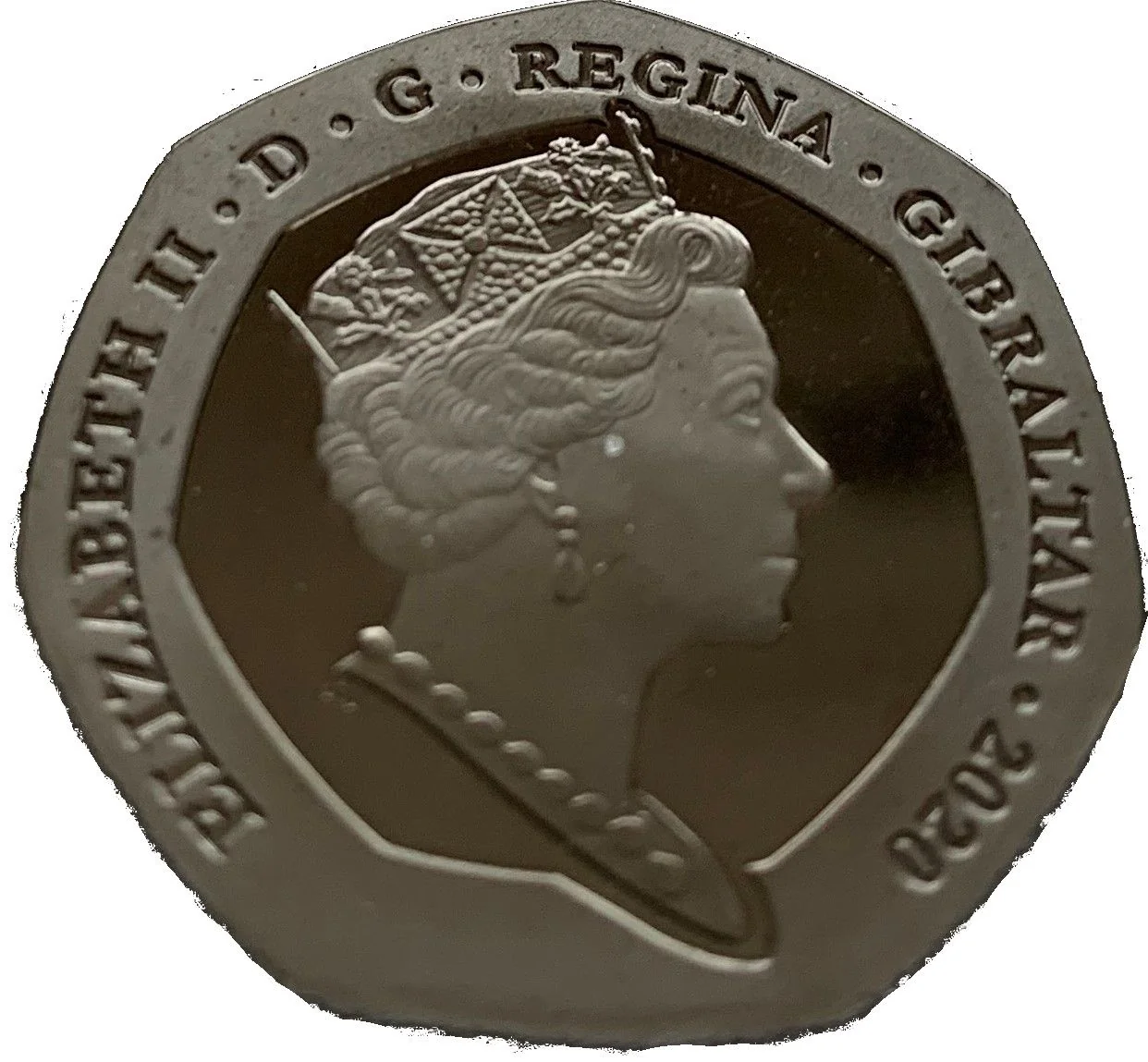
Ruler: Elizabeth II
Currency:
(since 1971)
Total mintage: 4,500
Material
Diameter: 27.3 mm
Weight: 8 g
Silver Weight:: 7.40 g
Shape: Heptagonal
Composition: 92.5% Silver
Magnetic: No
Technique: Milled
Alignment: Medal alignment
flip
References
KM: #
Numista: #346116
Value
Exchange value: 0.50 GIP
Bullion value: $18.91
Inflation-adjusted value: 0.64 GIP
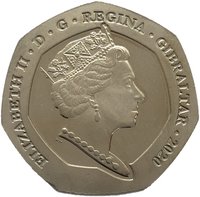
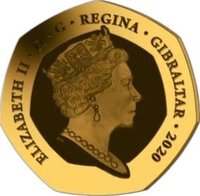
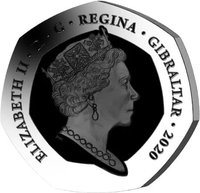
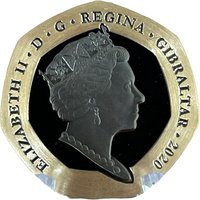
Obverse
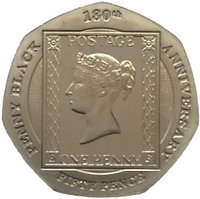
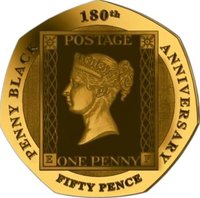
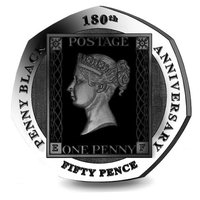
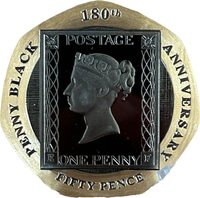
Reverse
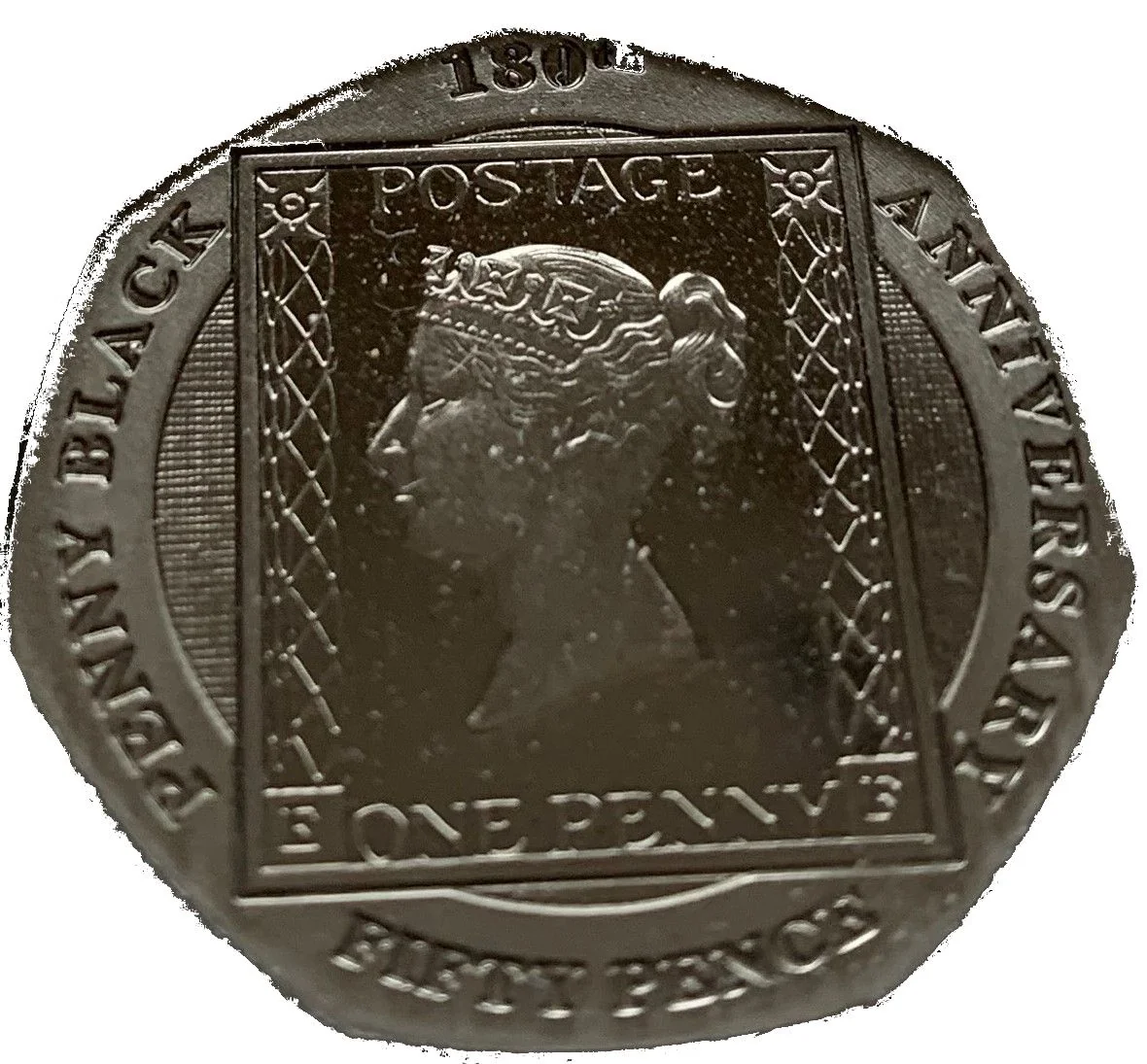
Description:
1840 One Penny Black stamp
Inscription:
PENNY BLACK 180th ANNIVERSARY
FIFTY PENCE
POSTAGE
E ONE PENNY F
FIFTY PENCE
POSTAGE
E ONE PENNY F
Script: Latin
Edge
Plain
Mints
| Name | Mark |
|---|---|
| Pobjoy Mint | (PM) |
Mintings
| Year | Mint Mark | Mintage | Quality | Collection |
|---|---|---|---|---|
| 2020 | PM | 4,500 | Proof |
Historical background
In 2020, Gibraltar's currency situation remained defined by its longstanding and unique dual-currency system, underpinned by its status as a British Overseas Territory. The legal tender is the Gibraltar pound (GIP), which is issued by the Government of Gibraltar and pegged at par with the British pound sterling (GBP). Sterling circulates interchangeably and is universally accepted, creating a de facto sterling zone. This arrangement provides monetary stability and is crucial for an economy deeply integrated with the UK, particularly in sectors like financial services and online gaming.
The year presented specific challenges due to the COVID-19 pandemic, which severely impacted Gibraltar's key tourism and retail sectors. However, the currency peg itself was not under pressure. The greater economic concern stemmed from the impending end of the Brexit transition period on December 31, 2020. Gibraltar was not part of the UK-EU Withdrawal Agreement, leading to significant uncertainty about its future border and economic relationship with Spain and the EU. This created a backdrop of potential financial disruption, though the fundamental currency link to sterling was never in doubt.
Consequently, 2020 was a year of monetary stability but economic anxiety. The Gibraltar pound continued to function seamlessly alongside sterling, with no liquidity issues or exchange rate fluctuations. The government's focus was less on currency policy and more on negotiating a post-Brexit treaty to safeguard Gibraltar's economic access to the EU single market, upon which its prosperity heavily depends. The currency's stability, anchored to the UK, provided one less variable to manage during a period of profound geopolitical and public health crisis.
The year presented specific challenges due to the COVID-19 pandemic, which severely impacted Gibraltar's key tourism and retail sectors. However, the currency peg itself was not under pressure. The greater economic concern stemmed from the impending end of the Brexit transition period on December 31, 2020. Gibraltar was not part of the UK-EU Withdrawal Agreement, leading to significant uncertainty about its future border and economic relationship with Spain and the EU. This created a backdrop of potential financial disruption, though the fundamental currency link to sterling was never in doubt.
Consequently, 2020 was a year of monetary stability but economic anxiety. The Gibraltar pound continued to function seamlessly alongside sterling, with no liquidity issues or exchange rate fluctuations. The government's focus was less on currency policy and more on negotiating a post-Brexit treaty to safeguard Gibraltar's economic access to the EU single market, upon which its prosperity heavily depends. The currency's stability, anchored to the UK, provided one less variable to manage during a period of profound geopolitical and public health crisis.
Series: Penny Black Stamp

💎 Extremely Rare