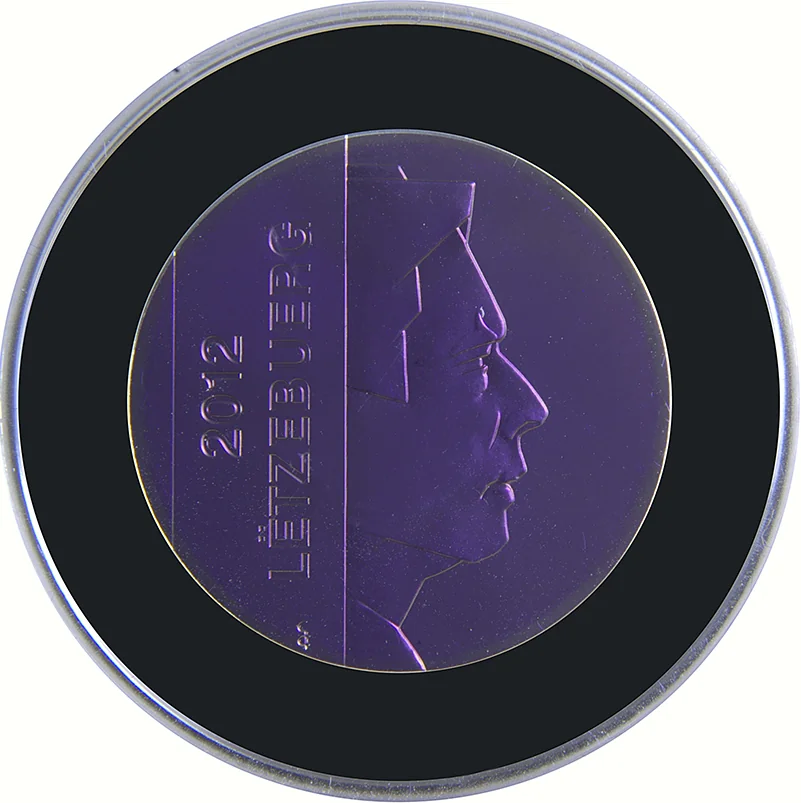
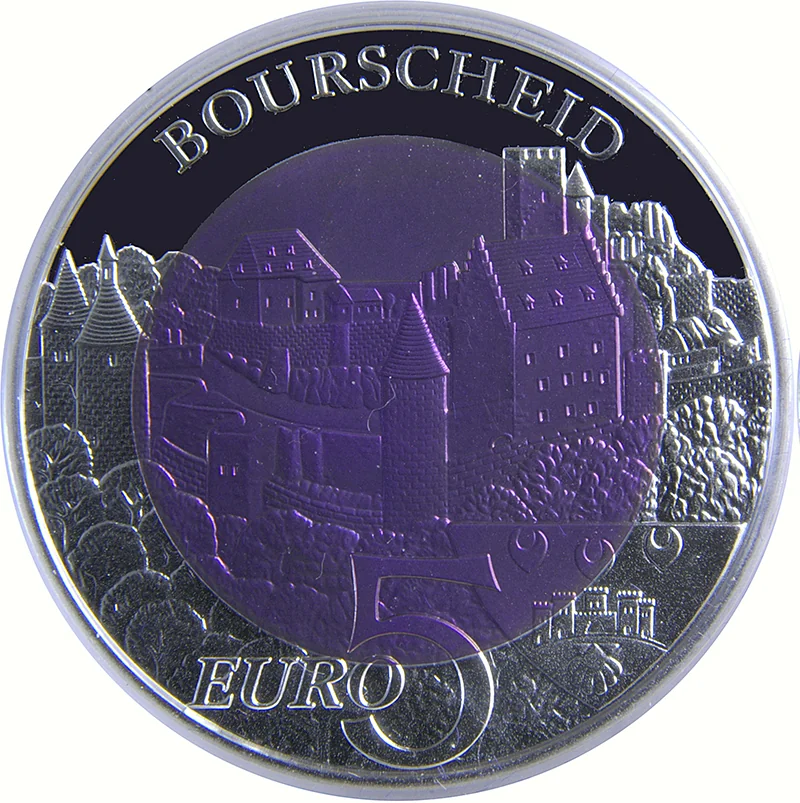
In 2012, the Grand Duchy of Luxembourg, as a founding member of the Eurozone, had fully adopted the euro as its sole legal tender for over a decade, having entered the monetary union at its inception in 1999. The currency situation was therefore defined by Luxembourg's deep integration into the European single currency framework and its broader economic and monetary policies. The country's financial stability was intrinsically linked to the stability of the euro itself, which in 2012 was under significant strain due to the ongoing European sovereign debt crisis. Luxembourg's own economic fundamentals, including its AAA credit rating, large financial sector, and high per capita GDP, positioned it as a relative "safe haven" within the turbulent Eurozone, but it remained highly exposed to systemic risks emanating from the crisis.
The primary domestic focus regarding currency was not on a national currency but on safeguarding the stability of Luxembourg's pivotal banking sector, which held assets many times the country's GDP and was heavily exposed to cross-border flows, particularly from neighboring Eurozone economies. The government, under Prime Minister Jean-Claude Juncker, was actively engaged in Eurozone crisis management, advocating for stronger banking union and fiscal integration to protect the common currency. Domestically, authorities worked to reinforce financial supervision and comply with EU-wide stress tests to maintain confidence in its banks, which were crucial for the nation's economy and, by extension, for the smooth functioning of the euro in the jurisdiction.
Furthermore, Luxembourg faced international pressure regarding tax transparency and banking secrecy, issues that carried indirect implications for capital flows and the euro's reputation. While the physical euro banknotes and coins in circulation were identical to those used elsewhere, Luxembourg's unique position as a major international financial center meant that the
management and
flow of euro-denominated assets were of disproportionate global importance. Thus, in 2012, Luxembourg's currency situation was one of a stable but vigilant participant in a troubled Eurozone, working to defend both its national financial interests and the integrity of the common currency upon which its prosperity depended.