

200 Dollars – Australia
Australia
Context

Material

References
KM: #Click to copy to clipboard246
Numista: #343963
Value
Exchange value: 200 AUD = $142.41
Bullion value: $10371.26
Inflation-adjusted value: 456.81 AUD
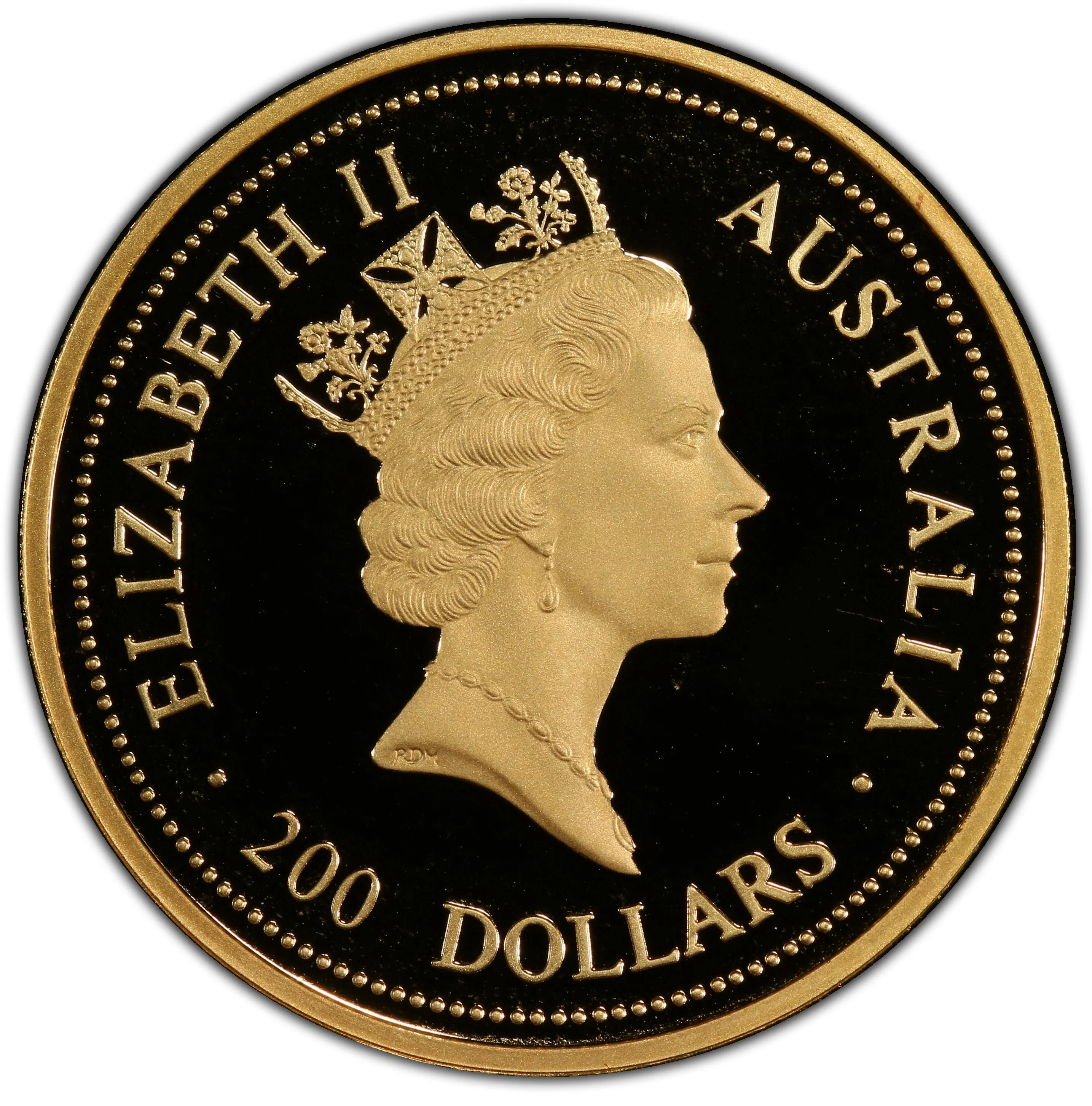
Obverse
Description:
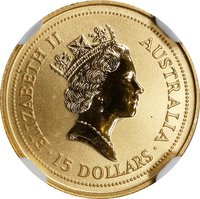
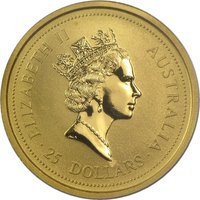
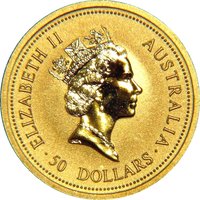
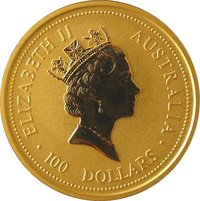
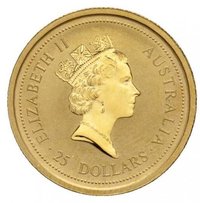
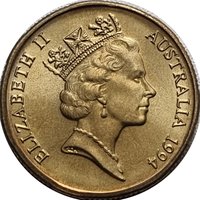
Queen Elizabeth III facing right in the King George IV State Diadem.
Inscription:
ELIZABETH II
AUSTRALIA
200 DOLLARS
RDM
AUSTRALIA
200 DOLLARS
RDM
Script: Latin
Designer: Raphael David Maklouf
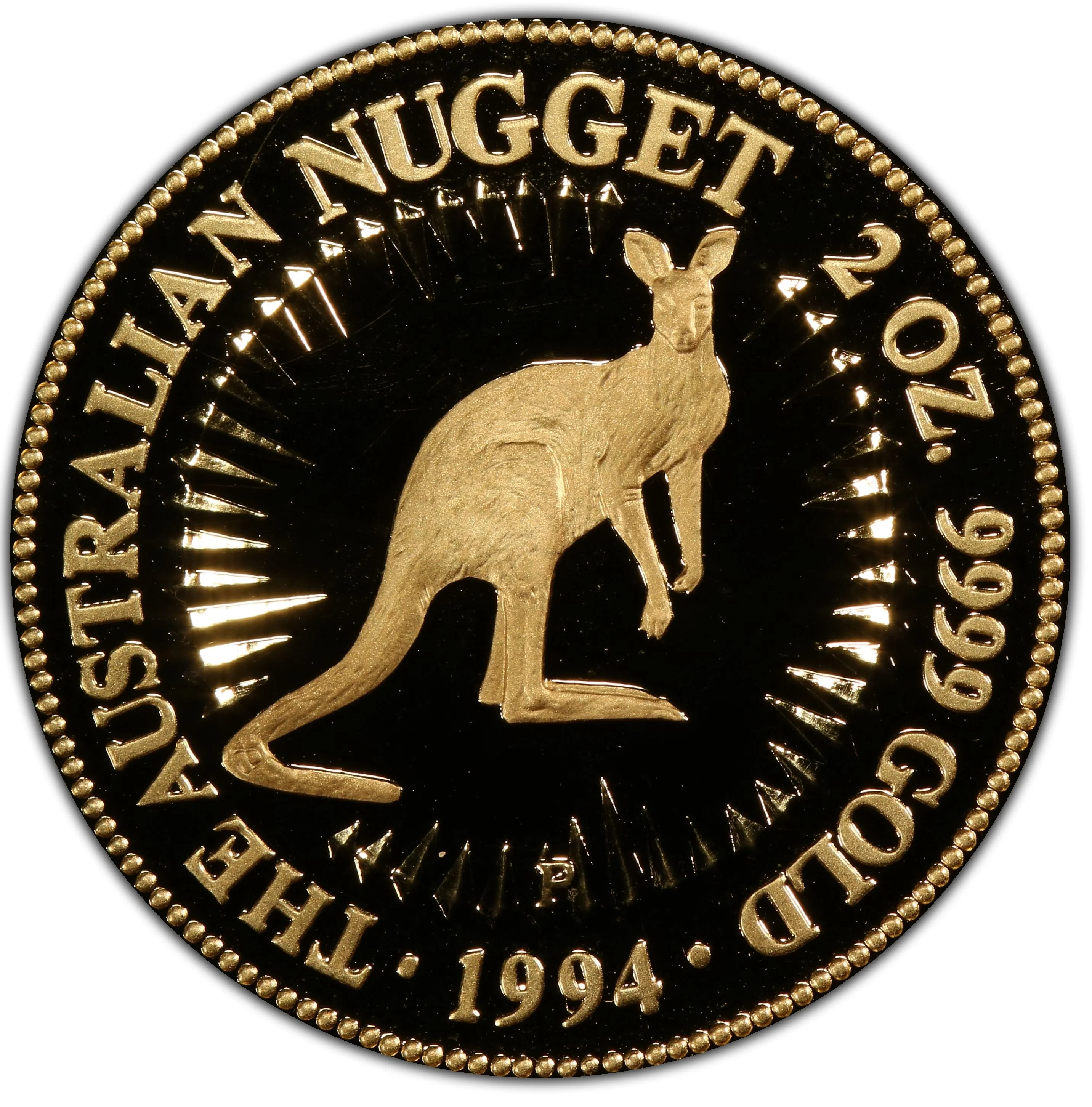
Reverse
Edge
Reeded
Mints
| Name | Mark |
|---|---|
| Perth Mint | P |
Mintings
| Year | Mint Mark | Mintage | Quality | Collection |
|---|---|---|---|---|
| 1994 | P | 75 | Proof |
Historical background
In 1994, Australia's currency situation was characterised by a period of robust economic recovery and significant structural change following the early 1990s recession. The Australian dollar (AUD), operating under a floating exchange rate regime since 1983, was influenced by a widening interest rate differential with major economies, particularly the United States and Japan. With the Reserve Bank of Australia (RBA) maintaining a relatively tight monetary policy to guard against inflation during the upswing, the AUD experienced periods of strength, attracting foreign capital inflows. This environment was underpinned by strong export performance in commodities and a wave of economic liberalisation.
A key feature of the year was the ongoing implementation of the Wallis Inquiry into the financial system, which would ultimately lead to major deregulation. Furthermore, 1994 saw the formal establishment of the Reserve Bank's explicit inflation-targeting framework, announced in the previous year. This commitment to low and stable inflation (2-3% on average) provided a new anchor for monetary policy and long-term confidence in the currency, moving away from earlier approaches that had focused more directly on exchange rate management.
However, the currency was not without volatility. Global factors, including shifting US monetary policy and bond market turbulence, created fluctuations. Domestically, the economy was transitioning, with persistent concerns about the current account deficit and external debt levels—the "twin deficits"—acting as a moderating influence on the dollar's appreciation. Overall, the AUD in 1994 reflected a confident economy modernising its institutions, yet remained sensitive to both its historical structural challenges and the dynamics of international capital markets.
A key feature of the year was the ongoing implementation of the Wallis Inquiry into the financial system, which would ultimately lead to major deregulation. Furthermore, 1994 saw the formal establishment of the Reserve Bank's explicit inflation-targeting framework, announced in the previous year. This commitment to low and stable inflation (2-3% on average) provided a new anchor for monetary policy and long-term confidence in the currency, moving away from earlier approaches that had focused more directly on exchange rate management.
However, the currency was not without volatility. Global factors, including shifting US monetary policy and bond market turbulence, created fluctuations. Domestically, the economy was transitioning, with persistent concerns about the current account deficit and external debt levels—the "twin deficits"—acting as a moderating influence on the dollar's appreciation. Overall, the AUD in 1994 reflected a confident economy modernising its institutions, yet remained sensitive to both its historical structural challenges and the dynamics of international capital markets.
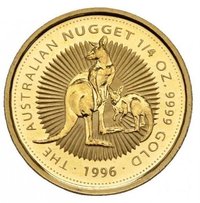
Series: Australian Nugget





✨ Legendary