

300 dollars – Canada
Add to wishlist
Canada
Context
Material
Diameter: 30 mm
Weight: 31.15 g
Platinum Weight:: 31.13 g
Thickness: 2.5 mm
Shape: Round
Composition: 99.95% Platinum
Standard: Silver ounce
Technique: Milled
Alignment: Medal alignment
flip
References
KM: #
Numista: #342002
Value
Exchange value: 300 CAD
Bullion value: $2109.09
Inflation-adjusted value: 424.29 CAD
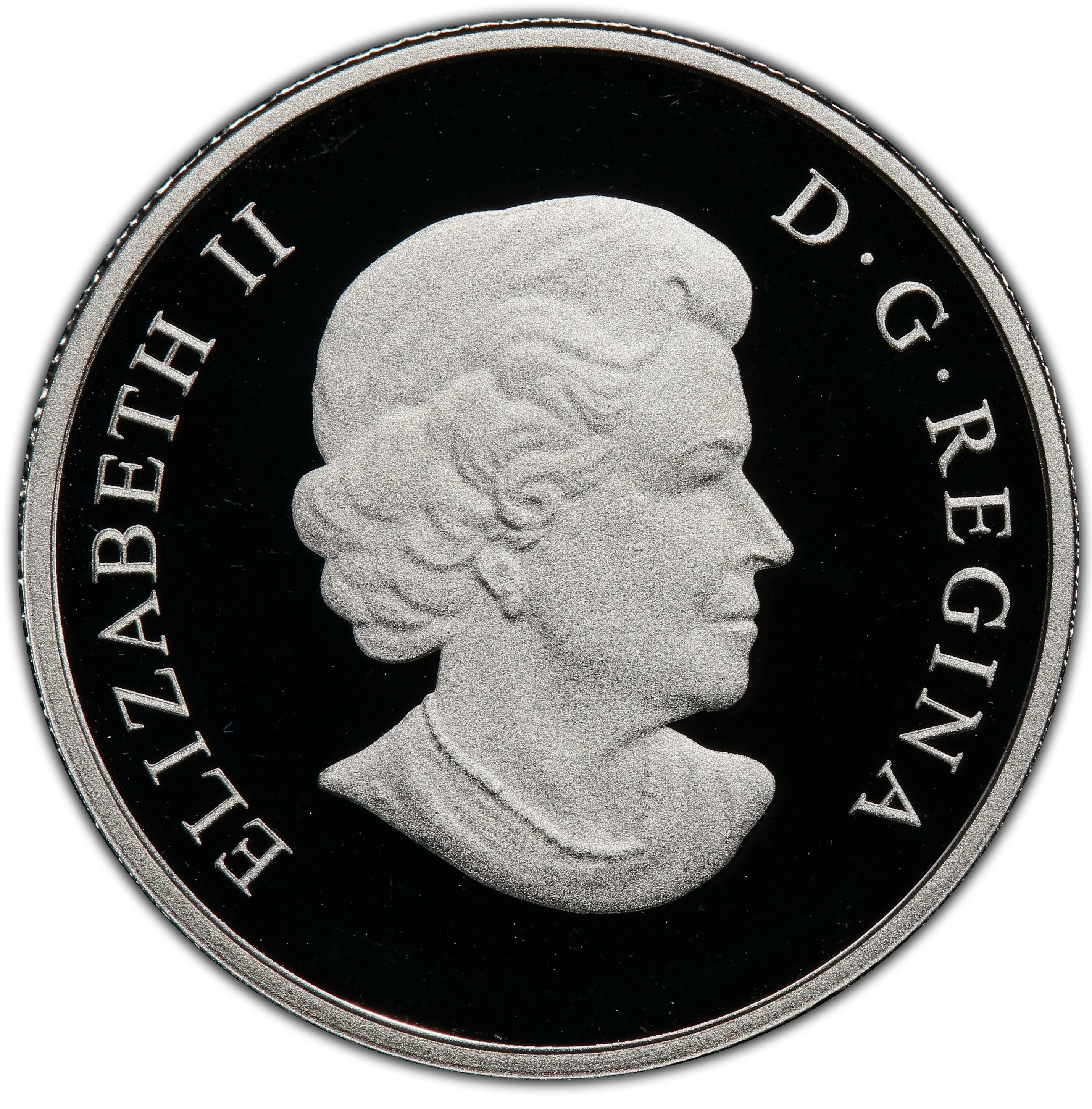
Obverse
Description:
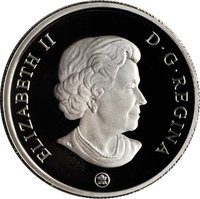
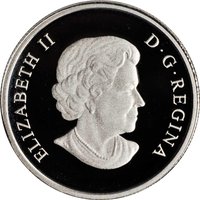
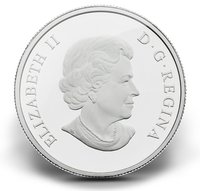
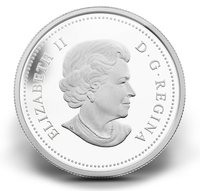
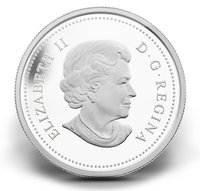
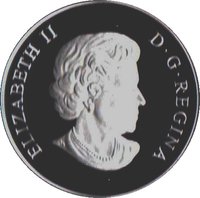
Queen Elizabeth II at 77, facing right, wearing a necklace and earrings.
Inscription:
ELIZABETH II D·G·REGINA
SB
SB
Translation:
Elizabeth II, by the Grace of God, Queen
Saskatchewan
Saskatchewan
Script: Latin
Language: Latin
Engraver: Susan Taylor
Designer: Susanna Blunt
Reverse
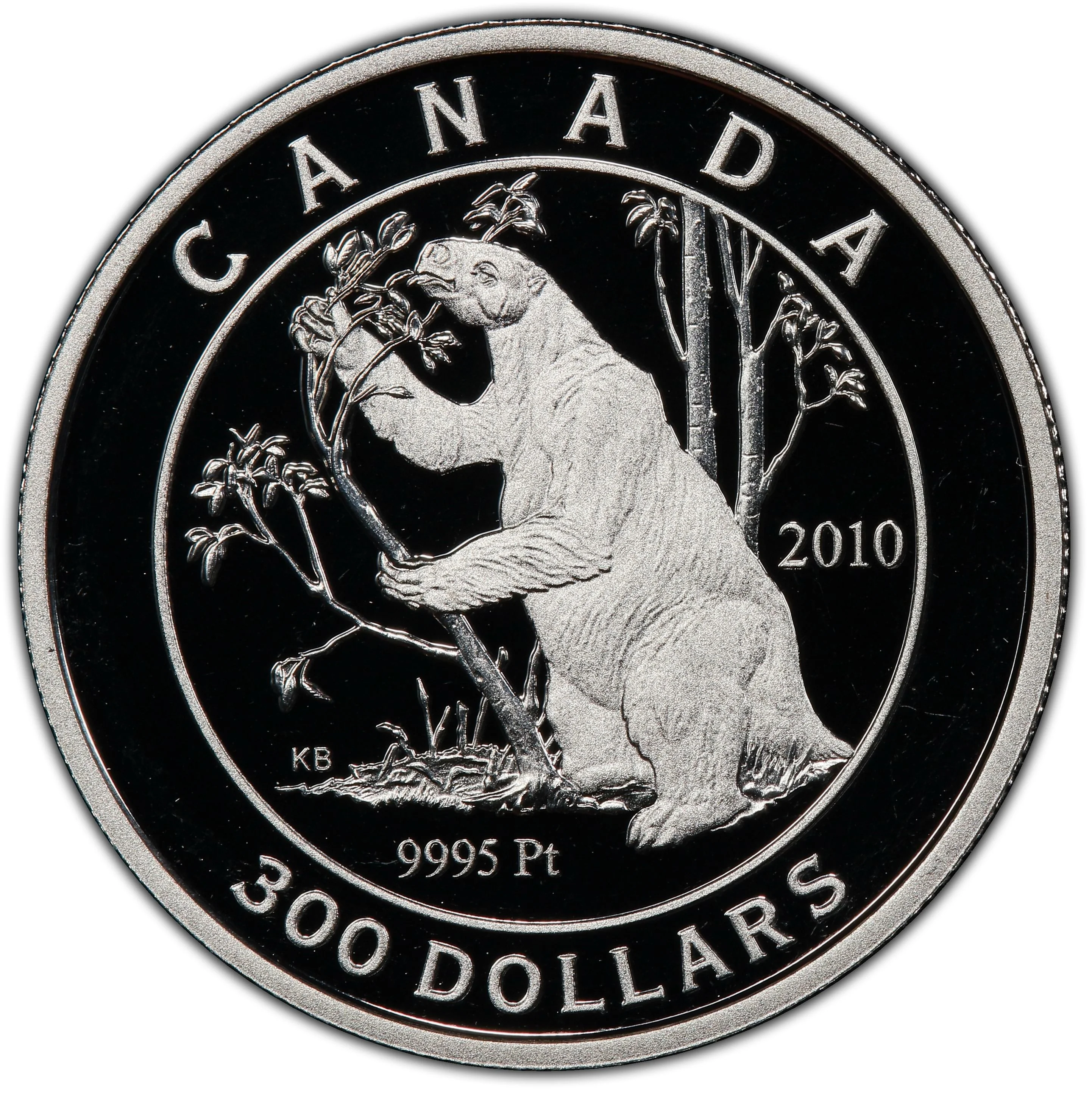
Description:
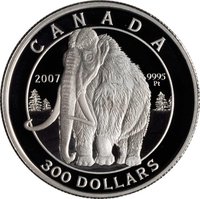
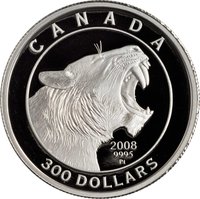
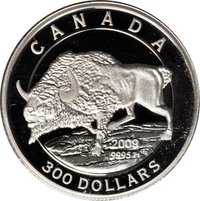
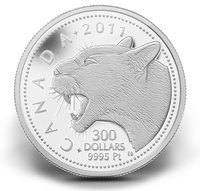
Giant prehistoric sloth.
Inscription:
CANADA
300 DOLLARS
2010
KB
9995
Pt
300 DOLLARS
2010
KB
9995
Pt
Script: Latin
Engraver: Stan Witten
Designer: Kerri Burnett
Edge
Reeded
Categories
| Animal> Prehistoric animal |
Mints
| Name | Mark |
|---|---|
| Royal Canadian Mint of Ottawa | — |
Mintings
| Year | Mint Mark | Mintage | Quality | Collection |
|---|---|---|---|---|
| 2010 | — | 189 | Proof |
Historical background
In 2010, Canada's currency situation was defined by the remarkable strength and rapid appreciation of the Canadian dollar, which traded near or above parity with the US dollar for much of the year. This was a significant shift from the previous decade, where the "loonie" had typically been valued well below its US counterpart. The primary drivers were robust global commodity prices, particularly for oil and metals, which boosted demand for the resource-linked currency, and a growing perception of Canada's relative economic and fiscal stability following the 2008-09 financial crisis. This contrasted sharply with economic weakness and monetary easing in the United States, which placed downward pressure on the US dollar.
This sustained parity created significant challenges for key sectors of the Canadian economy. Exporters, especially manufacturers in central Canada and forestry producers, faced severe competitive pressures, as their goods became more expensive for foreign buyers. The Bank of Canada, under Governor Mark Carney, was in a delicate position: while the strong currency helped contain inflation by making imports cheaper, it also acted as a drag on economic recovery and export-led growth. Consequently, the central bank proceeded cautiously with interest rate hikes, raising its key rate three times between June and September to 1%, while consistently highlighting the currency's strength as a major risk to the economic outlook.
By the end of 2010, the Canadian dollar remained strong, closing the year just above parity with the US dollar. The year solidified a new reality for Canadian businesses and policymakers, moving away from the era of a persistently weak currency. The situation underscored Canada's dual identity as a stable advanced economy and a resource exporter, with its currency increasingly sensitive to global commodity cycles and differentials in international monetary policy, themes that would continue to define its trajectory in the following years.
This sustained parity created significant challenges for key sectors of the Canadian economy. Exporters, especially manufacturers in central Canada and forestry producers, faced severe competitive pressures, as their goods became more expensive for foreign buyers. The Bank of Canada, under Governor Mark Carney, was in a delicate position: while the strong currency helped contain inflation by making imports cheaper, it also acted as a drag on economic recovery and export-led growth. Consequently, the central bank proceeded cautiously with interest rate hikes, raising its key rate three times between June and September to 1%, while consistently highlighting the currency's strength as a major risk to the economic outlook.
By the end of 2010, the Canadian dollar remained strong, closing the year just above parity with the US dollar. The year solidified a new reality for Canadian businesses and policymakers, moving away from the era of a persistently weak currency. The situation underscored Canada's dual identity as a stable advanced economy and a resource exporter, with its currency increasingly sensitive to global commodity cycles and differentials in international monetary policy, themes that would continue to define its trajectory in the following years.
✨ Legendary