

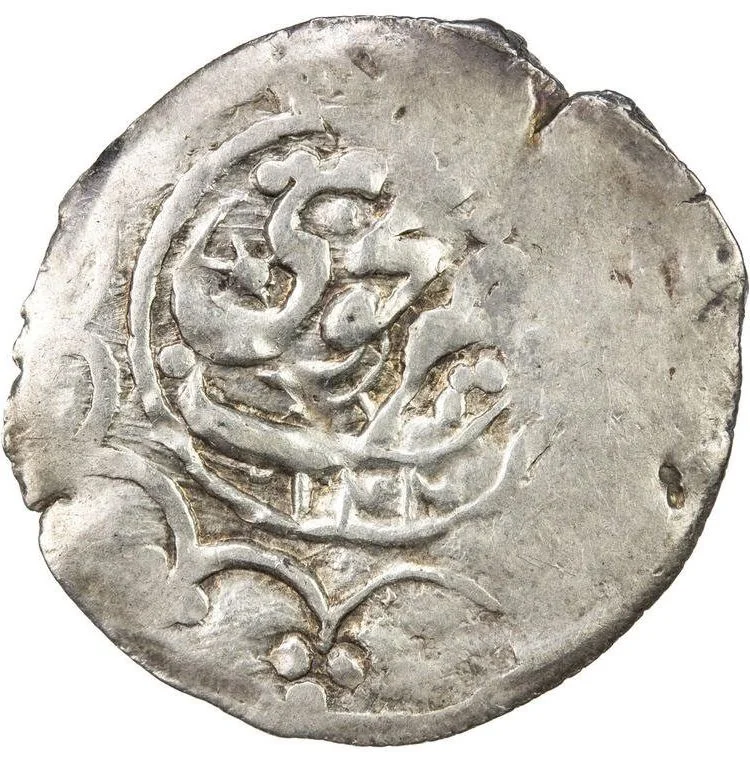
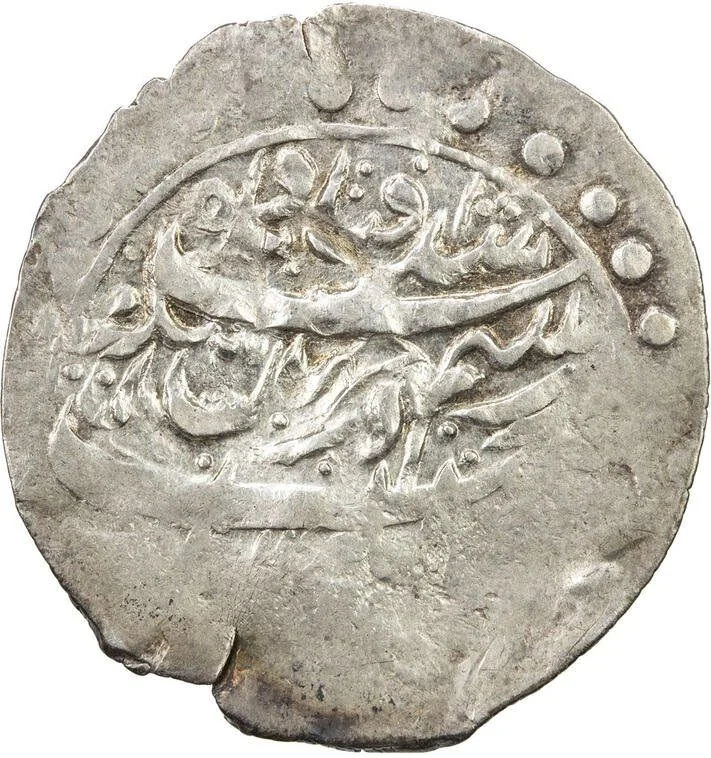
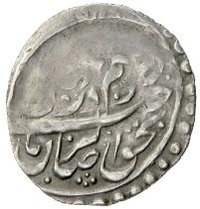
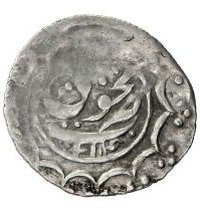
1 Abassi – Sheki Khanate
Context
Year: 1805
Islamic (Hijri) Year: 1220
Country: Caucasia
Issuer: Sheki Khanate
Currency:
(1743—1819)
Demonetized: Yes
Material
Weight: 2.23 g
Silver weight: 2.23 g
Shape: Irregular round
Composition: Silver
Magnetic: No
Technique: Hammered
Alignment: Medal alignment
flip
References
Numista: #341023
Value
Bullion value: $6.34
Mints
| Name | Mark |
|---|---|
| Nukha | — |
Mintings
| Year | Mint Mark | Mintage | Quality | Collection |
|---|---|---|---|---|
| 1805 | — | — |
Historical background
By 1805, the currency situation in the Sheki Khanate was one of profound transition and instability, directly tied to its shifting political sovereignty. Following the Russian Empire's formal annexation of the khanate in 1805, its monetary system was being forcibly integrated into the Russian imperial framework. The traditional circulation of Persian silver abbasi coins and other regional currencies, which had facilitated trade across the Caucasus and with Iran, was increasingly being supplanted by the Russian silver ruble and copper kopeks. This created a dual-currency environment that was confusing for local merchants and the population.
The economic disruption was significant. The Russian authorities demanded taxes and official transactions be conducted in the new imperial currency, but the supply of these coins in Sheki was often insufficient. This led to liquidity crises and complicated daily commerce, as people struggled to exchange old currencies at unfavorable rates. Furthermore, the annexation severed or strained Sheki's traditional economic links southward to Persia, diminishing the inflow of familiar coins and goods, while reorienting trade northward toward Russian markets.
Ultimately, the currency situation reflected the broader reality of Sheki's loss of autonomy. The monetary chaos of 1805 was a microcosm of the khanate's absorption into the empire, marking the end of its independent fiscal policy. While Russian currency aimed to standardize and control the economy, the transition period was characterized by scarcity and uncertainty, undermining local economic stability even as political control was consolidated under the newly appointed Russian-backed khan, Jafar Qoli Khan Donboli.
The economic disruption was significant. The Russian authorities demanded taxes and official transactions be conducted in the new imperial currency, but the supply of these coins in Sheki was often insufficient. This led to liquidity crises and complicated daily commerce, as people struggled to exchange old currencies at unfavorable rates. Furthermore, the annexation severed or strained Sheki's traditional economic links southward to Persia, diminishing the inflow of familiar coins and goods, while reorienting trade northward toward Russian markets.
Ultimately, the currency situation reflected the broader reality of Sheki's loss of autonomy. The monetary chaos of 1805 was a microcosm of the khanate's absorption into the empire, marking the end of its independent fiscal policy. While Russian currency aimed to standardize and control the economy, the transition period was characterized by scarcity and uncertainty, undermining local economic stability even as political control was consolidated under the newly appointed Russian-backed khan, Jafar Qoli Khan Donboli.

✨ Legendary