

18 piastres – Cyprus
Add to wishlist
Cyprus
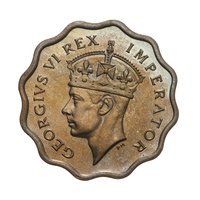
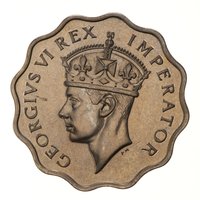
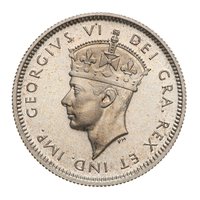
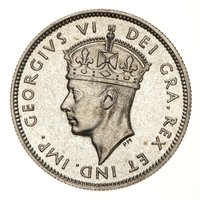
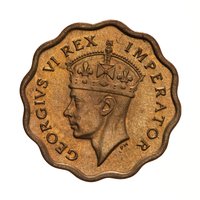
Obverse
Description:
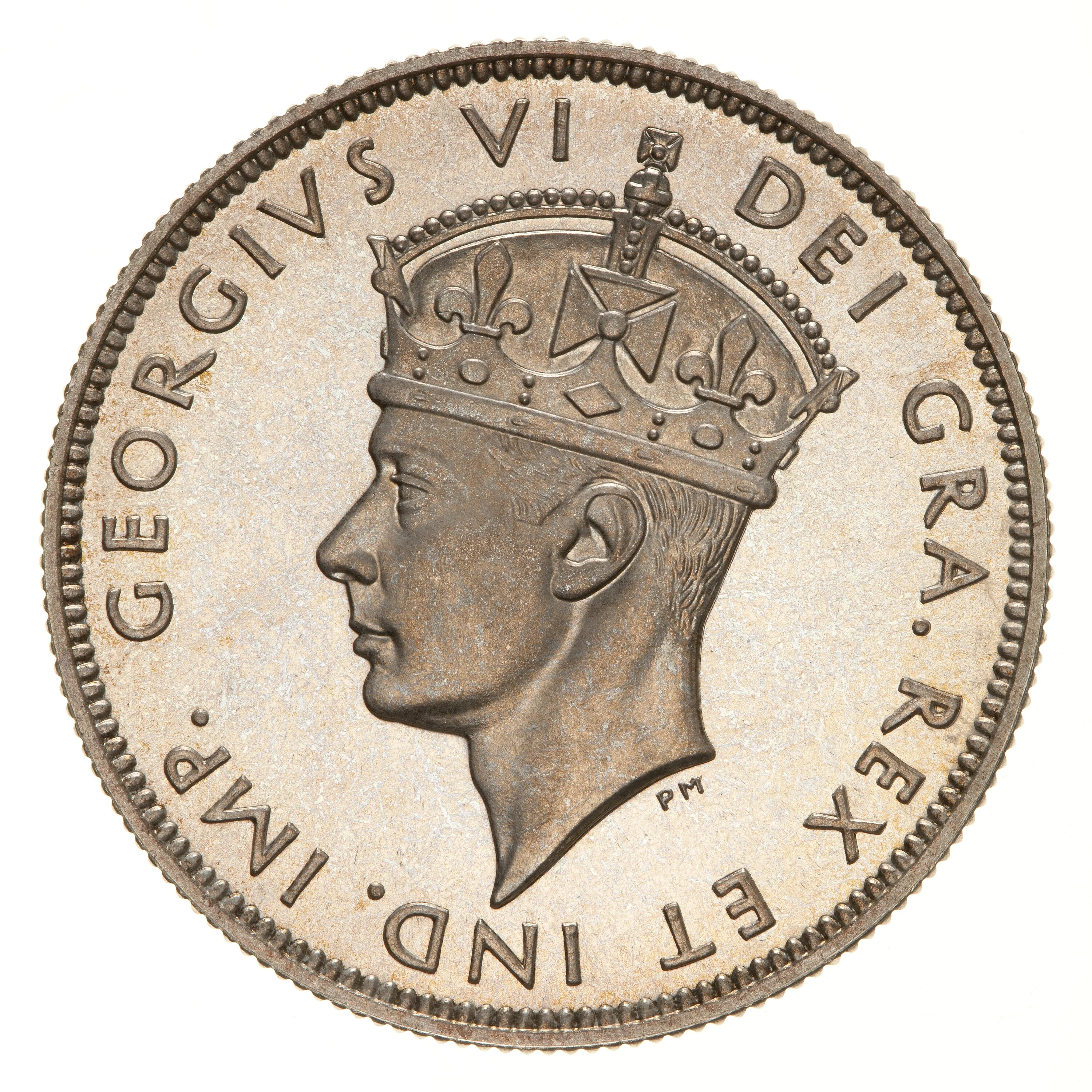
Crowned left-facing head. Below, P.M. (Percy Metcalfe) in relief, surrounded by a circular inscription.
Inscription:
GEORGIVS VI DEI GRA.REX ET IND. IMP.
P.M.
P.M.
Translation:
George VI by the grace of God, King and Emperor of India.
In the year of his priesthood.
In the year of his priesthood.
Script: Latin
Language: Latin
Engraver: Percy Metcalfe
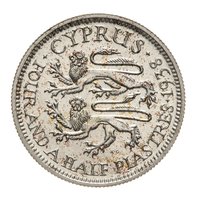
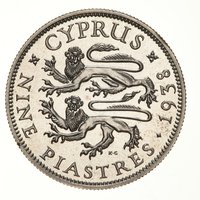
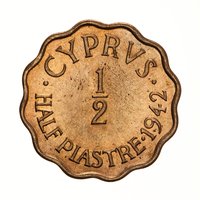
Reverse
Description:
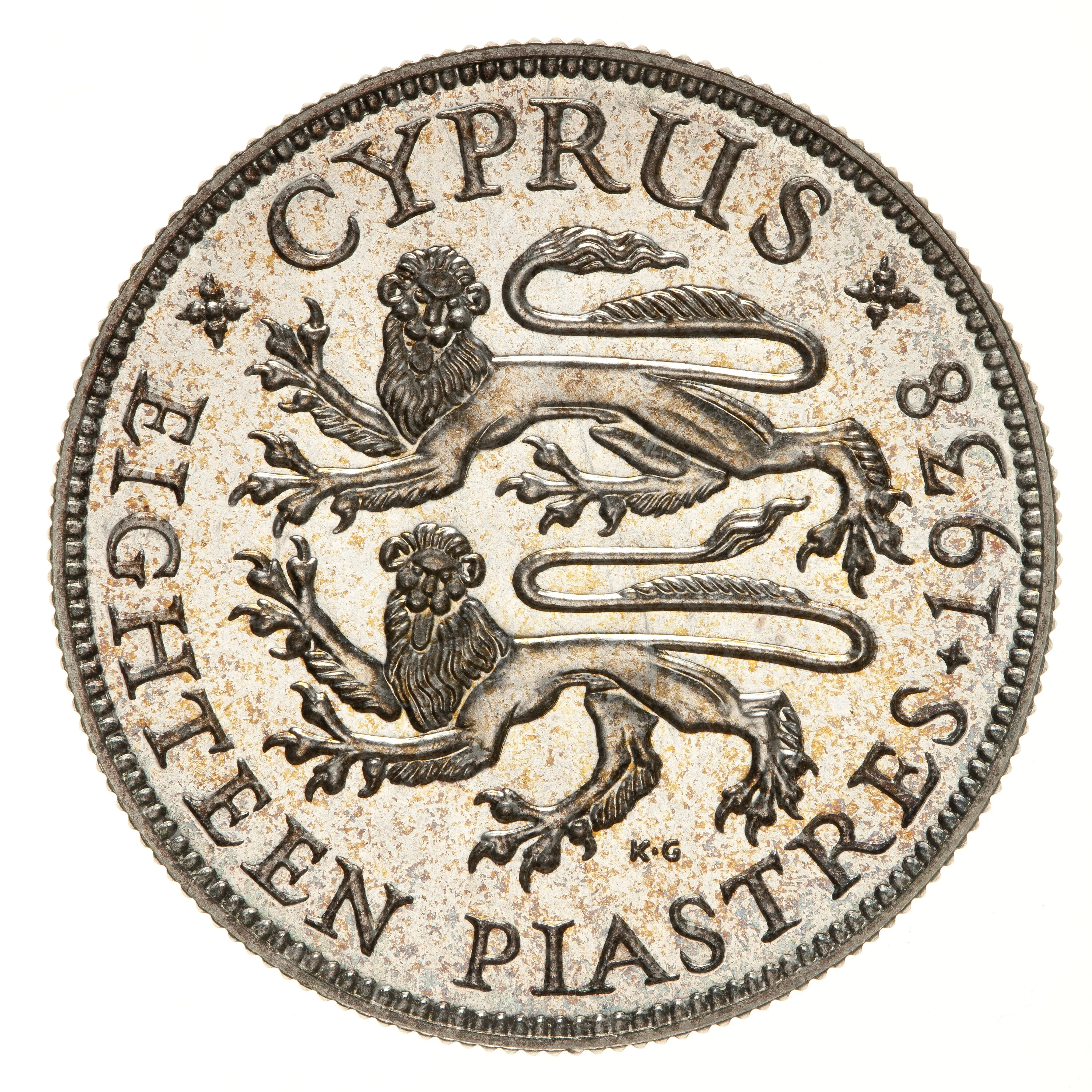
Two heraldic lions with "K.G." in relief below and a circular inscription.
Inscription:
+CYPRUS = EIGHTEEN PIASTERS + 1938 (or 1940)
Script: Latin
Engraver: George Kruger Gray
Edge
Reeded
Mints
| Name | Mark |
|---|---|
| Royal Mint (Tower Hill) | — |
Mintings
| Year | Mint Mark | Mintage | Quality | Collection |
|---|---|---|---|---|
| 1938 | — | 200,000 | ||
| 1938 | — | — | Proof | |
| 1940 | — | 100,000 | ||
| 1940 | — | — | Proof |
Historical background
In 1938, the currency situation in Cyprus was defined by its status as a British Crown Colony, having been formally annexed in 1914. The official currency was the Cypriot pound (CYP), which was pegged at par to the British pound sterling (GBP). This meant one Cypriot pound equaled one British pound, and the currency board system ensured full convertibility. Banknotes and coins were issued specifically for the island, often bearing bilingual inscriptions in Greek and Turkish, but their value was entirely backed by and dependent on the sterling reserves held in London.
The economy was largely agrarian and not highly monetized, with many transactions, especially in rural villages, still conducted through barter or informal credit. However, the sterling peg provided monetary stability and facilitated trade with the United Kingdom, which was the dominant commercial partner. This link integrated Cyprus firmly into the Sterling Area, a bloc of territories that held their reserves in London and conducted trade in pounds, which was crucial for an island dependent on imports for many goods.
Politically and economically, the year 1938 fell within a period of relative calm before the upheavals of World War II. There were no significant currency crises or devaluations on the island itself that year, as its monetary fate was tied directly to Britain's. The stability of the Cypriot pound was therefore a reflection of the strength of the British pound sterling at the time, though this very link would later expose Cyprus to the economic strains Britain faced during and after the coming war.
The economy was largely agrarian and not highly monetized, with many transactions, especially in rural villages, still conducted through barter or informal credit. However, the sterling peg provided monetary stability and facilitated trade with the United Kingdom, which was the dominant commercial partner. This link integrated Cyprus firmly into the Sterling Area, a bloc of territories that held their reserves in London and conducted trade in pounds, which was crucial for an island dependent on imports for many goods.
Politically and economically, the year 1938 fell within a period of relative calm before the upheavals of World War II. There were no significant currency crises or devaluations on the island itself that year, as its monetary fate was tied directly to Britain's. The stability of the Cypriot pound was therefore a reflection of the strength of the British pound sterling at the time, though this very link would later expose Cyprus to the economic strains Britain faced during and after the coming war.
Series: 1938 Cyprus circulation coins
🌟 Limited