

½ piastre – Cyprus
Add to wishlist
Cyprus
Context
Year: 1908
Issuer: Cyprus
Ruler: Edward VII
Currency:
(1879—1955)
Demonetized: Yes
Total mintage: 36,000
Material
References
KM: #
Numista: #34077
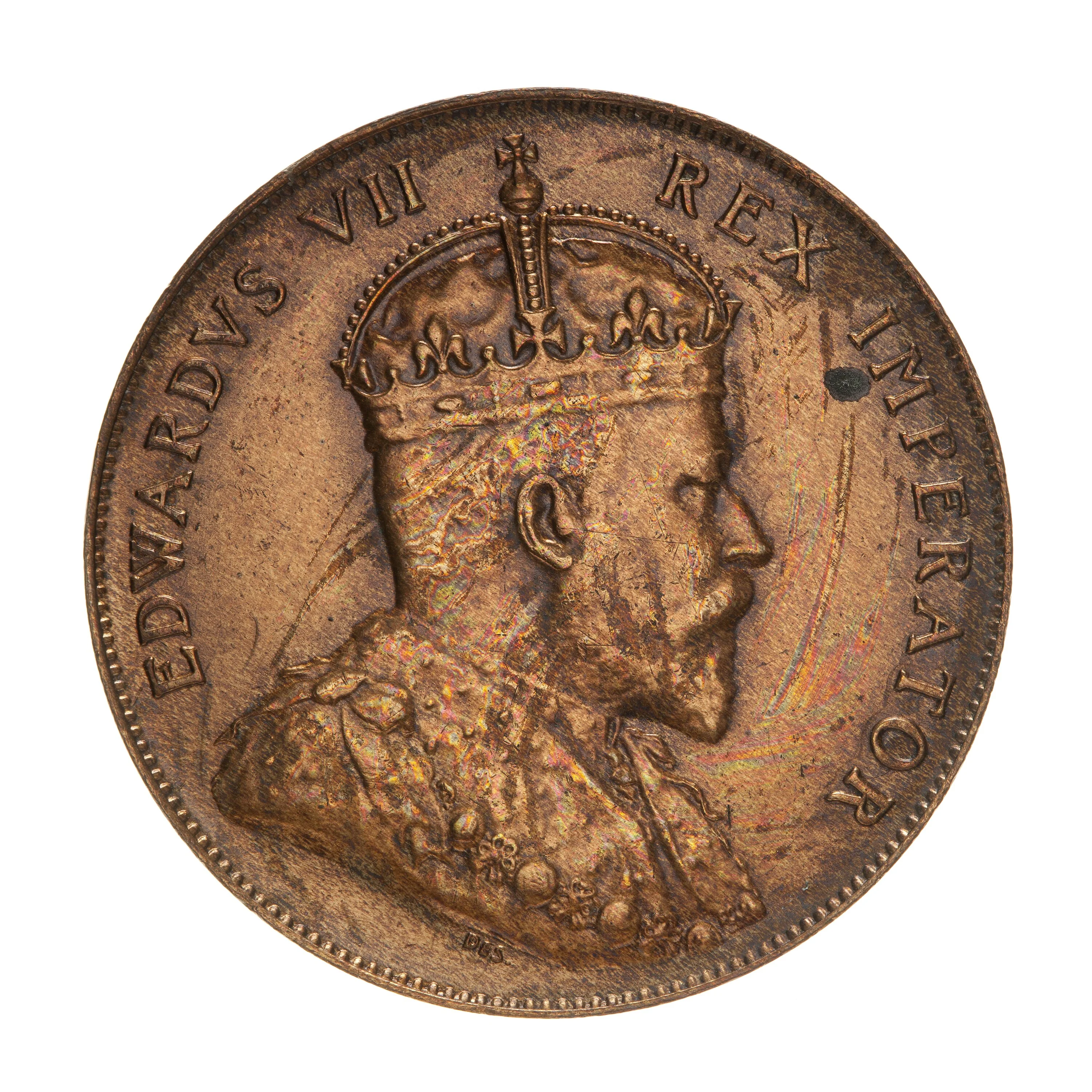
Obverse
Description:
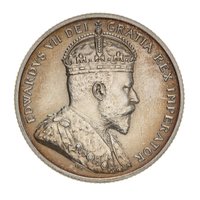
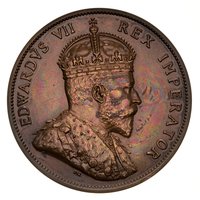
Crowned right-facing bust. Below, "DeS" in relief; circular inscription: "EDWARDVS VII REX IMPERATOR."
Inscription:
EDWARDVS VII REX IMPERATOR
Translation:
Edward VII King Emperor
Script: Latin
Language: Latin
Engraver: George William de Saulles
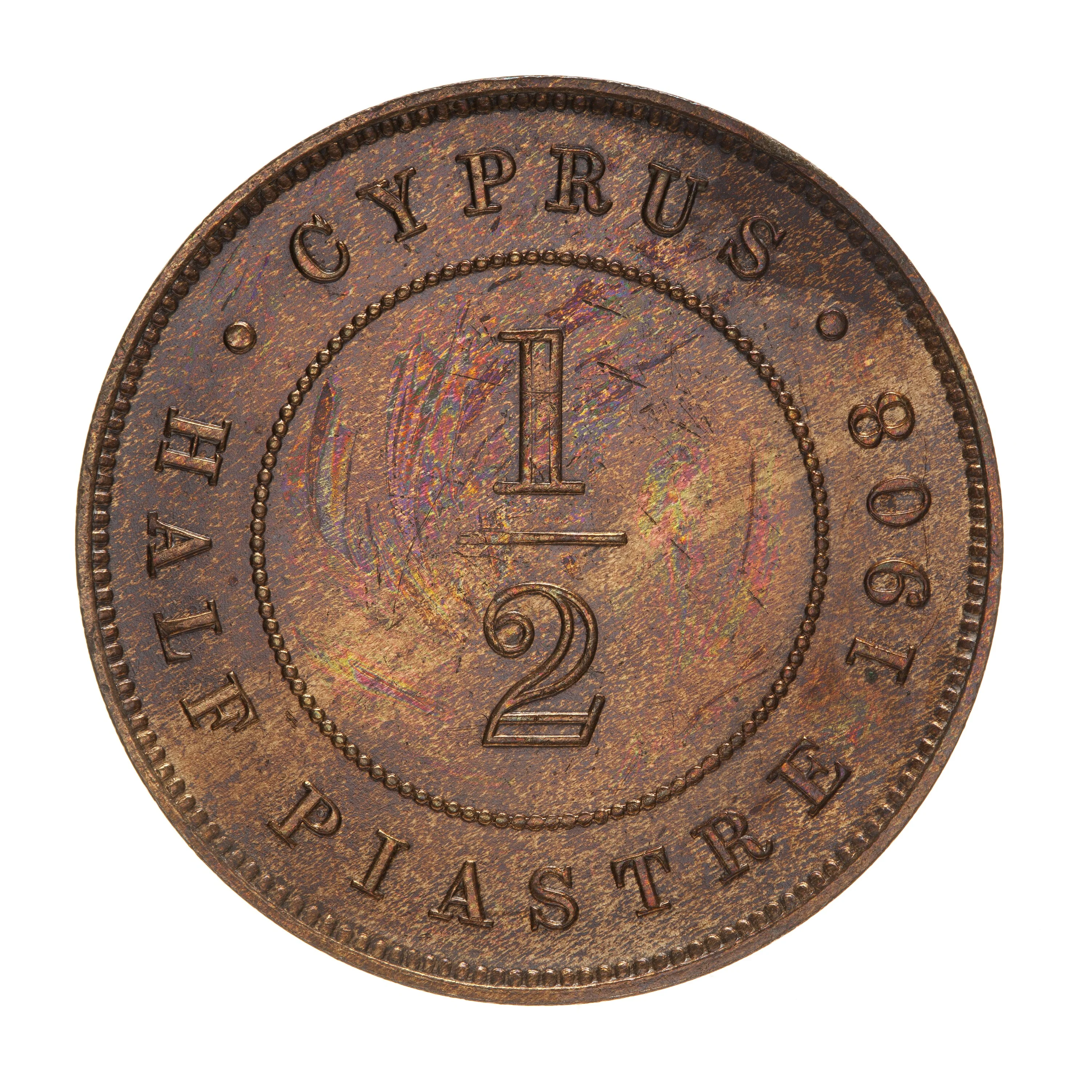
Reverse
Description:
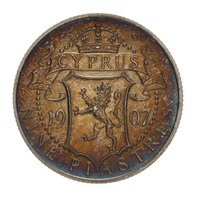
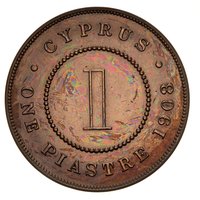
CYPRUS HALF PIASTRE 1908 within a beaded circle.
Inscription:
· CYPRUS ·
1/2
HALF PIASTRE 1908
1/2
HALF PIASTRE 1908
Script: Latin
Edge
Plain
Mints
| Name | Mark |
|---|---|
| Royal Mint (Tower Hill) | — |
Mintings
| Year | Mint Mark | Mintage | Quality | Collection |
|---|---|---|---|---|
| 1908 | — | 36,000 |
Historical background
In 1908, the currency situation in Cyprus was a direct reflection of its political status as a British-administered territory, though still nominally under Ottoman suzerainty. The island operated under a dual-currency system, a legacy of its Ottoman past and its new British economic ties. The primary circulating currency was the Ottoman lira (also known as the Turkish gold lira), alongside its subdivisions like the piastre and the para. However, British sterling was also legal tender and increasingly used for government transactions and larger commercial dealings, creating a complex exchange environment for daily business.
This monetary duality presented practical challenges. Exchange rates between the Ottoman and British currencies fluctuated, introducing an element of instability and inconvenience for trade and taxation. The British administration, which had taken control in 1878, collected taxes in sterling but had to manage expenditures and payments where the Ottoman currency remained dominant among the local population. This often necessitated costly and cumbersome conversion processes, hindering economic efficiency.
The year 1908 itself was significant, as it marked the end of the British government's annual "Tribute" payment to the Ottoman Empire, a condition of the original occupation agreement. This financial burden had long drained the Cypriot treasury. Its cessation, coupled with growing administrative integration, increased the impetus for formal monetary reform. Consequently, the stage was set for the major change that would follow in 1913, when the British government demonetized the Ottoman currency and formally introduced the Cypriot pound, pegged at par with sterling, finally unifying the island's monetary system under direct British control.
This monetary duality presented practical challenges. Exchange rates between the Ottoman and British currencies fluctuated, introducing an element of instability and inconvenience for trade and taxation. The British administration, which had taken control in 1878, collected taxes in sterling but had to manage expenditures and payments where the Ottoman currency remained dominant among the local population. This often necessitated costly and cumbersome conversion processes, hindering economic efficiency.
The year 1908 itself was significant, as it marked the end of the British government's annual "Tribute" payment to the Ottoman Empire, a condition of the original occupation agreement. This financial burden had long drained the Cypriot treasury. Its cessation, coupled with growing administrative integration, increased the impetus for formal monetary reform. Consequently, the stage was set for the major change that would follow in 1913, when the British government demonetized the Ottoman currency and formally introduced the Cypriot pound, pegged at par with sterling, finally unifying the island's monetary system under direct British control.
💎 Extremely Rare