

9 piastres – Cyprus
Add to wishlist
Cyprus
Context
Year: 1907
Issuer: Cyprus
Ruler: Edward VII
Currency:
(1879—1955)
Demonetized: Yes
Total mintage: 60,000
Material
References
KM: #
Numista: #12474
Value
Bullion value: $12.96
Obverse
Description:
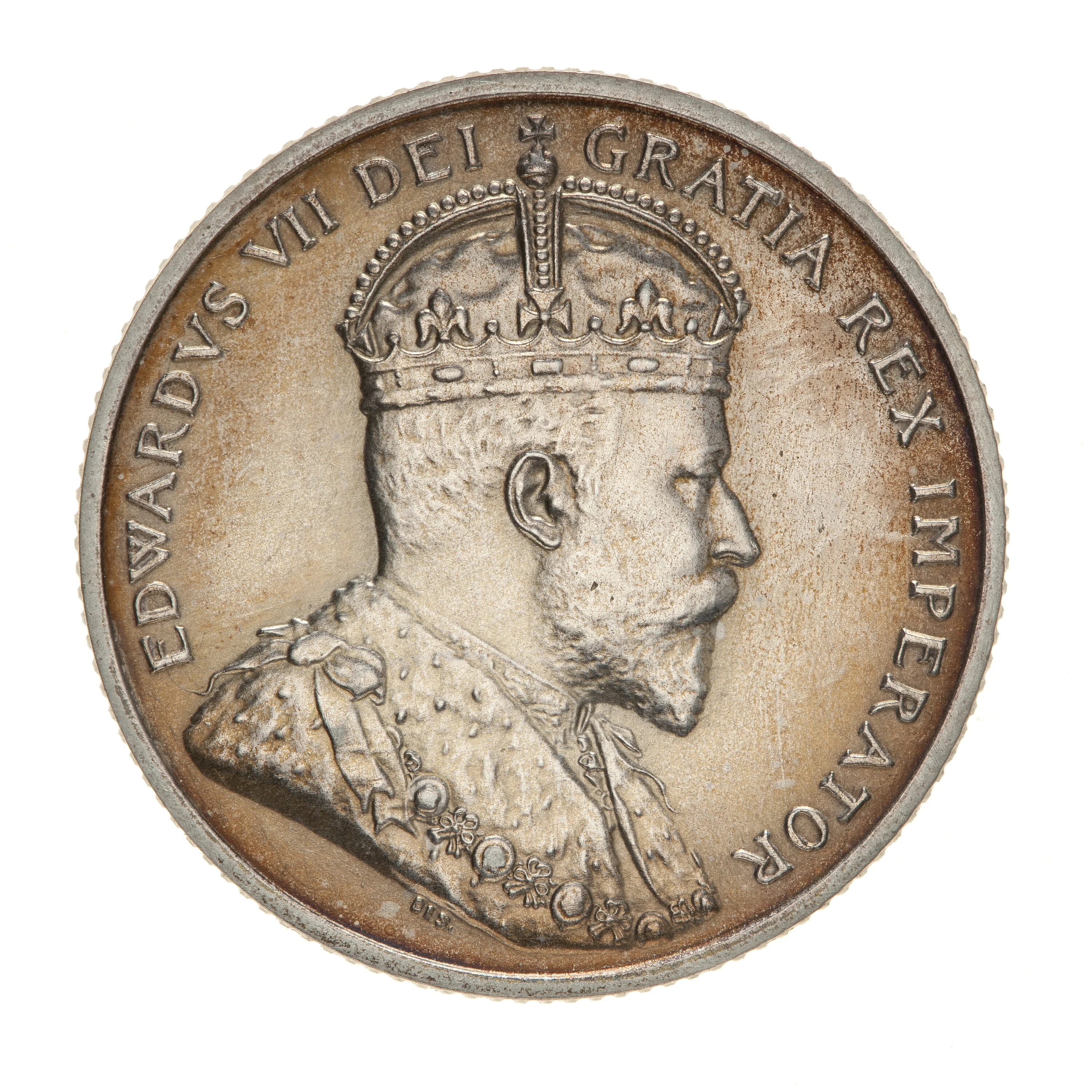
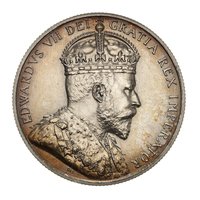
Right-facing crowned bust. "DeS" below, encircled by "EDWARDVS VII DEI GRATIA REX IMPERATOR".
Inscription:
EDWARDVS VII DEI GRATIA REX IMPERATOR
Translation:
Edward VII by the Grace of God King Emperor
Script: Latin
Language: Latin
Engraver: George William de Saulles
Reverse
Description:
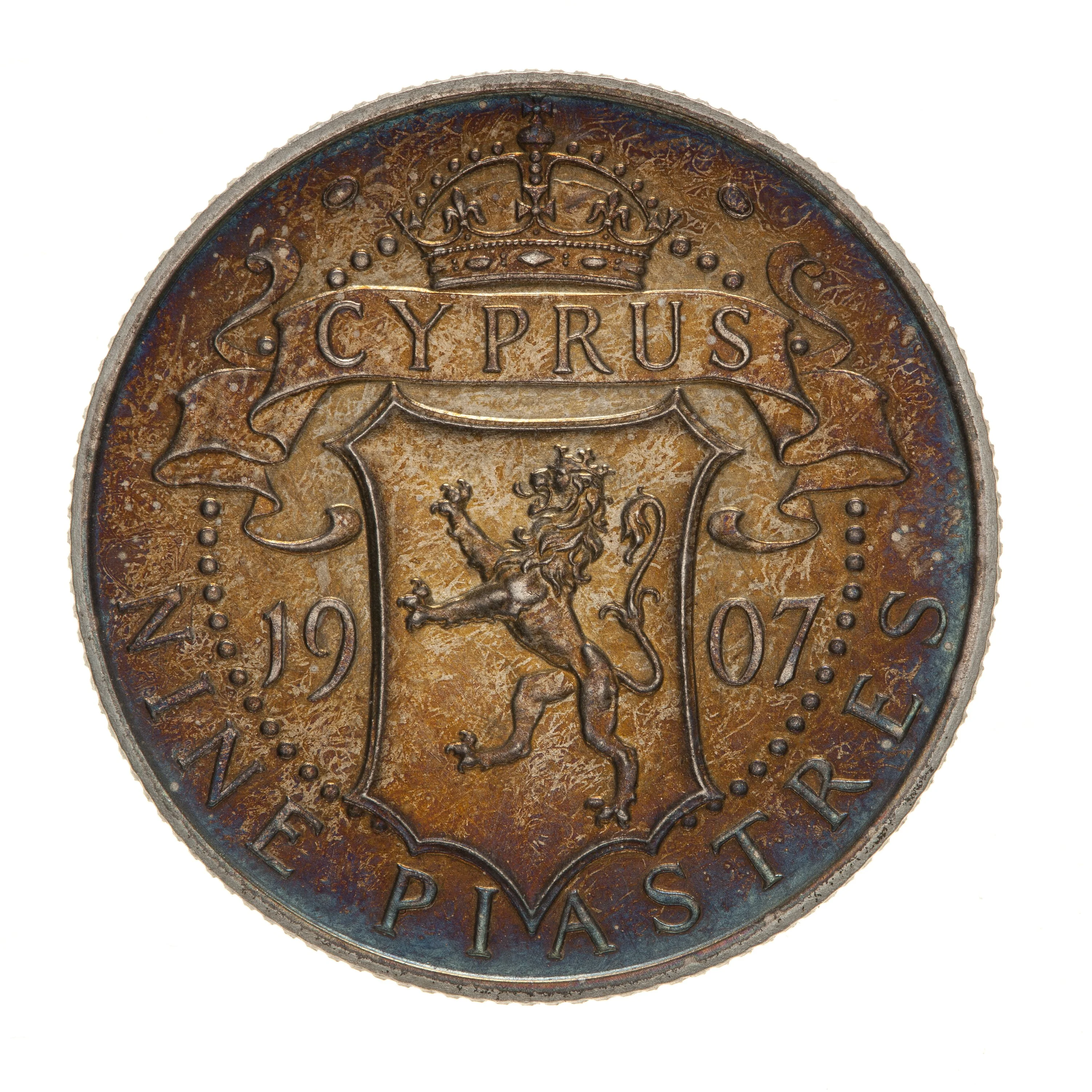
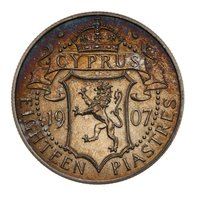
A crowned shield of arms divides the date 1907. Above, a scroll reads CYPRUS; below, the value NINE PIASTRES encircles the edge.
Inscription:
CYPRUS
19 07
NINE PIASTRES
19 07
NINE PIASTRES
Script: Latin
Edge
Reeded
Categories
| Person> Monarch |
| Symbols> Coat of Arms |
Mints
| Name | Mark |
|---|---|
| Royal Mint (Tower Hill) | — |
Mintings
| Year | Mint Mark | Mintage | Quality | Collection |
|---|---|---|---|---|
| 1907 | — | 60,000 |
Historical background
In 1907, Cyprus operated under a complex and somewhat unstable currency system as a British Crown Colony, having been administered by Britain since 1878. The official currency was the Cypriot pound, introduced in 1879 and pegged at par with the British pound sterling. However, this unit existed largely for accounting purposes, as the physical currency in daily circulation was a mix of foreign coins, primarily the Turkish gold lira (Ottoman pound) and its subdivisions, alongside British gold sovereigns and silver coins. This created practical difficulties for trade and administration, as the value of these coins fluctuated against the official peg.
The core of the currency problem lay in the chronic shortage of small-denomination coins for everyday transactions. While high-value gold coins circulated, the scarcity of official fractional silver and copper led to the widespread use of worn and debased Turkish medjidie coins and even privately issued tokens. This situation caused inconvenience, fostered confusion in pricing, and hindered economic activity, particularly for the rural population. British authorities were reluctant to introduce a full, distinct coinage for the island due to the cost and the hope that Cyprus might eventually adopt sterling outright.
Consequently, the currency situation in 1907 was one of transition and frustration. The colonial government was actively seeking a solution, which would culminate in the Cyprus (Currency) Order in Council of 1912. This order finally authorized the issuance of a dedicated Cypriot coinage, with coins denominated in piastres and shillings, to replace the chaotic mix of foreign specie. Therefore, 1907 represents a late point in a prolonged period of monetary disorder, immediately preceding the definitive reform that would establish a stable and unified currency for the island.
The core of the currency problem lay in the chronic shortage of small-denomination coins for everyday transactions. While high-value gold coins circulated, the scarcity of official fractional silver and copper led to the widespread use of worn and debased Turkish medjidie coins and even privately issued tokens. This situation caused inconvenience, fostered confusion in pricing, and hindered economic activity, particularly for the rural population. British authorities were reluctant to introduce a full, distinct coinage for the island due to the cost and the hope that Cyprus might eventually adopt sterling outright.
Consequently, the currency situation in 1907 was one of transition and frustration. The colonial government was actively seeking a solution, which would culminate in the Cyprus (Currency) Order in Council of 1912. This order finally authorized the issuance of a dedicated Cypriot coinage, with coins denominated in piastres and shillings, to replace the chaotic mix of foreign specie. Therefore, 1907 represents a late point in a prolonged period of monetary disorder, immediately preceding the definitive reform that would establish a stable and unified currency for the island.
⭐ Somewhat Rare