

2 shillings – British West Africa
Add to wishlist
Context
Year: 1920
Country: Western African States
Issuer: British West Africa
Ruler: George V
Currency:
(1907—1968)
Demonetized: Yes
Total mintage: 1,926,000
Material
References
KM: #
Numista: #33999
Value
Bullion value: $14.17
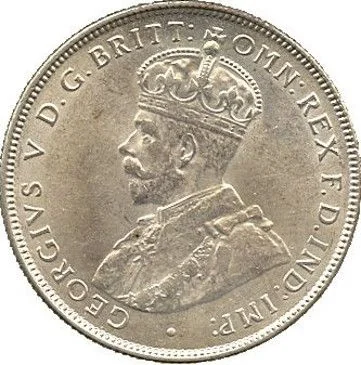
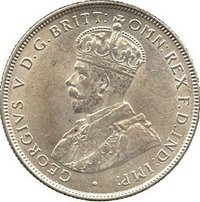
Obverse
Description:
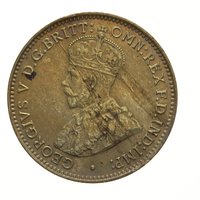
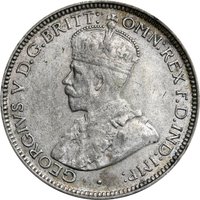
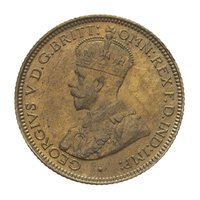
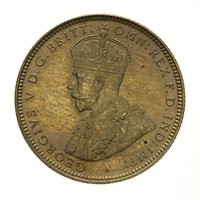
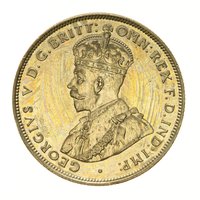
George V left-facing crowned bust.
Inscription:
GEORGIVS V D. G. BRITT: OMN: REX F. D. IND: IMP:
Translation:
GEORGE V BY THE GRACE OF GOD OF ALL THE BRITONS KING DEFENDER OF THE FAITH EMPEROR OF INDIA
Script: Latin
Language: Latin
Designer: Edgar Bertram MacKennal
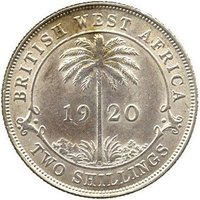
Reverse
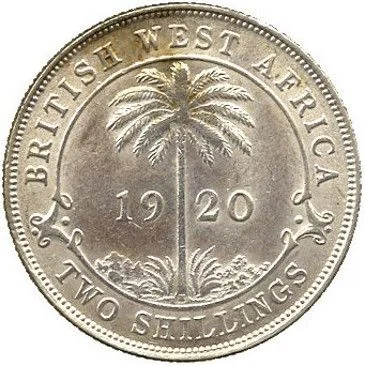
Description:
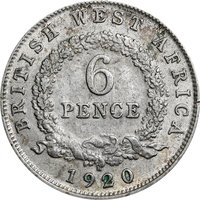
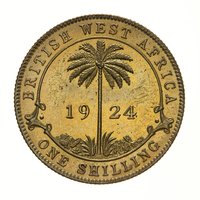
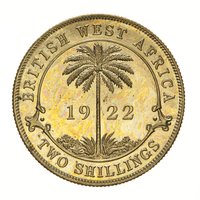
Palm tree splits date, value beneath.
Inscription:
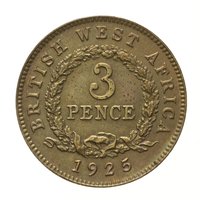
BRITISH WEST AFRICA
19 20
TWO SHILLINGS
19 20
TWO SHILLINGS
Script: Latin
Edge
Mints
| Name | Mark |
|---|---|
| Heaton and Sons / The Mint Birmingham | H |
Mintings
| Year | Mint Mark | Mintage | Quality | Collection |
|---|---|---|---|---|
| 1920 | H | 1,926,000 |
Historical background
In 1920, the currency situation in British West Africa was defined by the West African Currency Board (WACC), established in 1912. This system replaced the earlier, chaotic mix of British coins, foreign currencies, and commodity money (like manillas and cowries) with a unified, sterling-pegged currency. The Board issued distinctive silver coins and notes that were fully convertible to British pounds, ensuring monetary stability and facilitating colonial trade. This move was primarily designed to integrate the region firmly into the British economic sphere, simplifying tax collection and administrative payments while providing a reliable medium for export economies built around commodities like cocoa, palm oil, and groundnuts.
However, the system had significant limitations reflective of its colonial purpose. The currency was essentially a "sterling exchange standard," meaning local money was merely a token for British pounds, with no independent monetary policy. The reserves backing the currency were held in London, and the Board's strict rules prevented the use of these funds for local development or credit creation within West Africa. Furthermore, the fixed exchange rate and the Board's passive role meant the money supply could not respond elastically to local economic conditions, often exacerbating trade-induced liquidity crunches.
The year 1920 itself presented acute challenges, occurring within the tumultuous post-World War I economic climate. A global slump in commodity prices severely affected the region's export earnings, causing economic distress. At the same time, the rising price of silver—the metal used for coinage—placed the Currency Board under financial strain, threatening its ability to issue coins at their face value. This period highlighted the inherent vulnerabilities of a colonial currency system that prioritized imperial financial stability and the interests of British trading firms over the need for a responsive banking system and developmental credit within West Africa itself.
However, the system had significant limitations reflective of its colonial purpose. The currency was essentially a "sterling exchange standard," meaning local money was merely a token for British pounds, with no independent monetary policy. The reserves backing the currency were held in London, and the Board's strict rules prevented the use of these funds for local development or credit creation within West Africa. Furthermore, the fixed exchange rate and the Board's passive role meant the money supply could not respond elastically to local economic conditions, often exacerbating trade-induced liquidity crunches.
The year 1920 itself presented acute challenges, occurring within the tumultuous post-World War I economic climate. A global slump in commodity prices severely affected the region's export earnings, causing economic distress. At the same time, the rising price of silver—the metal used for coinage—placed the Currency Board under financial strain, threatening its ability to issue coins at their face value. This period highlighted the inherent vulnerabilities of a colonial currency system that prioritized imperial financial stability and the interests of British trading firms over the need for a responsive banking system and developmental credit within West Africa itself.
💎 Extremely Rare