

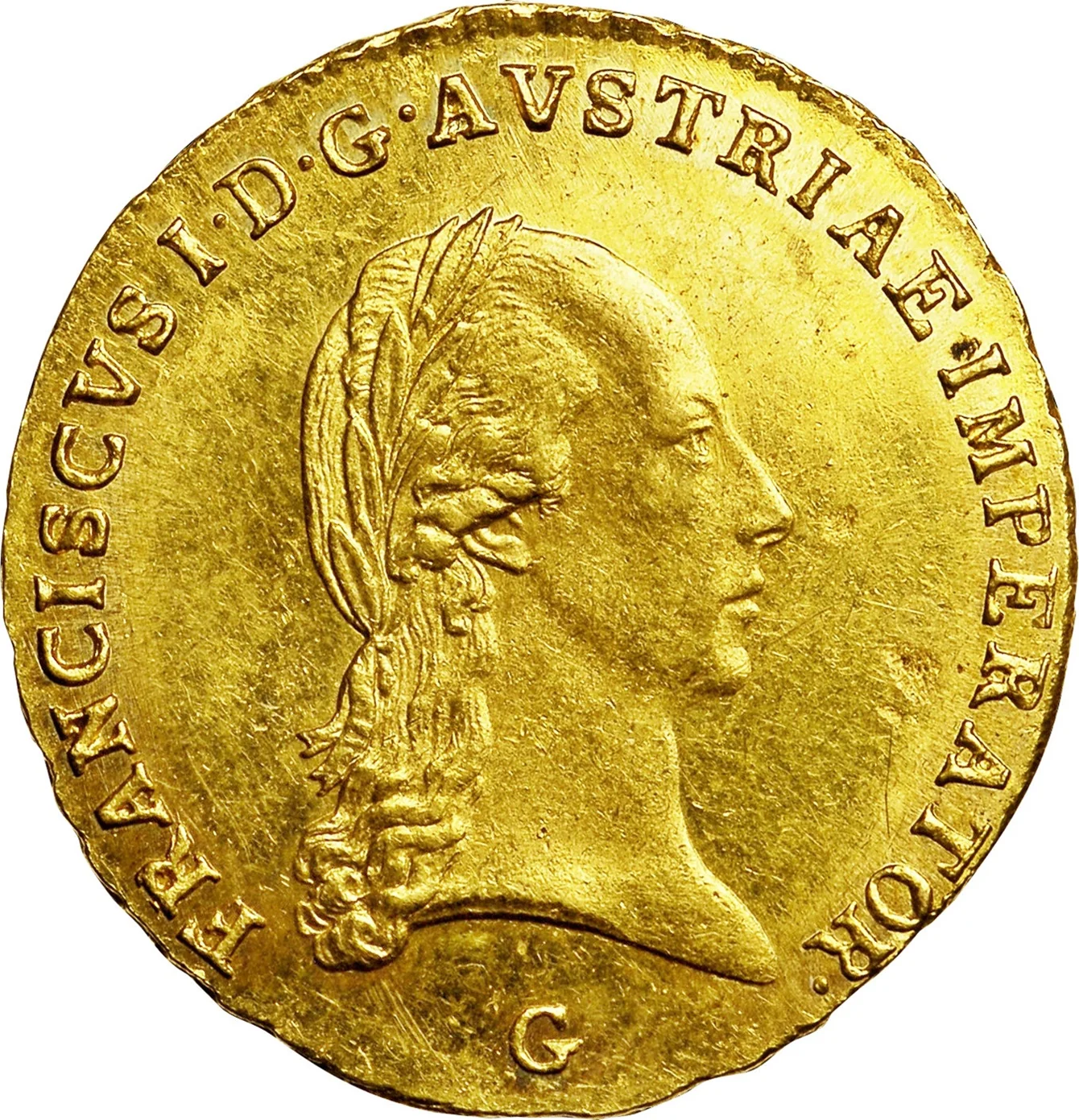
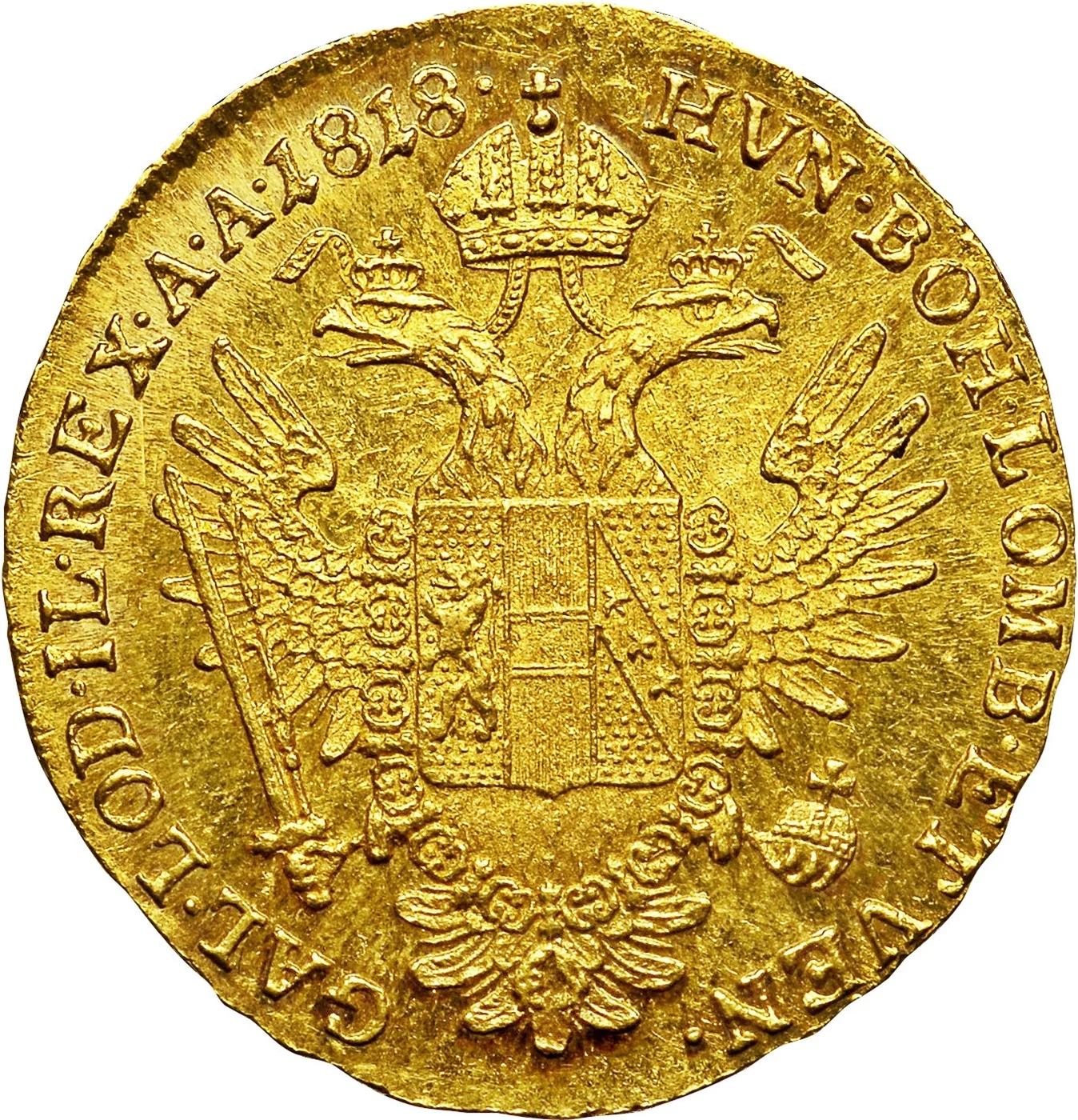
1 ducat – Austrian Empire
Add to wishlist
Austria
Context
Years: 1816–1824
Country: Austria
Issuer: Austrian Empire
Ruler: Francis I of Austria
Currency:
(1754—1857)
Demonetized: Yes
Material
References
KM: #
Numista: #33728
Value
Bullion value: $528.29
Mints
| Name | Mark |
|---|---|
| Münze Österreich | A |
| Kremnica | B |
| Alba Iulia | E |
| Baia Mare | G |
Mintings
Historical background
In the aftermath of the Napoleonic Wars, the Austrian Empire in 1816 faced a severe and debilitating currency crisis. The state treasury was effectively bankrupt, burdened by a massive war debt exceeding 1 billion gulden. To finance the prolonged conflict, the Habsburg monarchy had resorted to printing vast quantities of paper money, known as Bancozettel. This led to rampant inflation and a catastrophic loss of confidence in the currency, with the paper gulden trading at only about one-fifth of its nominal silver value. The monetary system was in chaos, crippling trade, stifling economic recovery, and threatening the empire's financial and political stability.
Recognizing the existential threat, Emperor Francis I and his ministers, most notably State Chancellor Prince Klemens von Metternich and Finance Minister Count Johann Philipp von Stadion, embarked on a radical reform. The pivotal solution was the establishment of the Austrian National Bank (Österreichische Nationalbank) in 1816, granted a monopoly on issuing paper money. Its primary mission was to carry out a drastic currency conversion: to gradually withdraw and destroy the devalued Bancozettel and replace them with a new, stable silver-backed currency called the Vienna Currency Standard (Wiener Währung). This new system was explicitly tied to a fixed silver content, aiming to restore public trust through convertibility and disciplined emission.
The State Debt Redemption Act (Staatsschulden-Tilgungsgesetz) of 1816 provided the legal framework, dedicating specific state revenues to back the new banknotes and guarantee the gradual redemption of the old paper. While this reform laid the essential foundation for future stability, the process was deliberately slow and painful. The immediate consequence was a period of severe deflation and credit contraction, which placed a heavy burden on debtors and the broader economy. Thus, 1816 marks a critical turning point—the end of uncontrolled inflation and the beginning of a hard, state-managed journey toward monetary credibility, setting the stage for Austria's 19th-century economic development, albeit with significant short-term social costs.
Recognizing the existential threat, Emperor Francis I and his ministers, most notably State Chancellor Prince Klemens von Metternich and Finance Minister Count Johann Philipp von Stadion, embarked on a radical reform. The pivotal solution was the establishment of the Austrian National Bank (Österreichische Nationalbank) in 1816, granted a monopoly on issuing paper money. Its primary mission was to carry out a drastic currency conversion: to gradually withdraw and destroy the devalued Bancozettel and replace them with a new, stable silver-backed currency called the Vienna Currency Standard (Wiener Währung). This new system was explicitly tied to a fixed silver content, aiming to restore public trust through convertibility and disciplined emission.
The State Debt Redemption Act (Staatsschulden-Tilgungsgesetz) of 1816 provided the legal framework, dedicating specific state revenues to back the new banknotes and guarantee the gradual redemption of the old paper. While this reform laid the essential foundation for future stability, the process was deliberately slow and painful. The immediate consequence was a period of severe deflation and credit contraction, which placed a heavy burden on debtors and the broader economy. Thus, 1816 marks a critical turning point—the end of uncontrolled inflation and the beginning of a hard, state-managed journey toward monetary credibility, setting the stage for Austria's 19th-century economic development, albeit with significant short-term social costs.
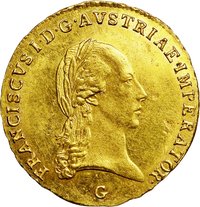
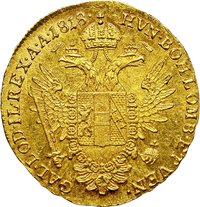
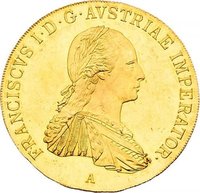
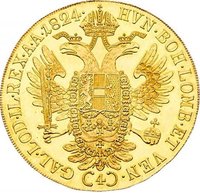
💎 Extremely Rare