

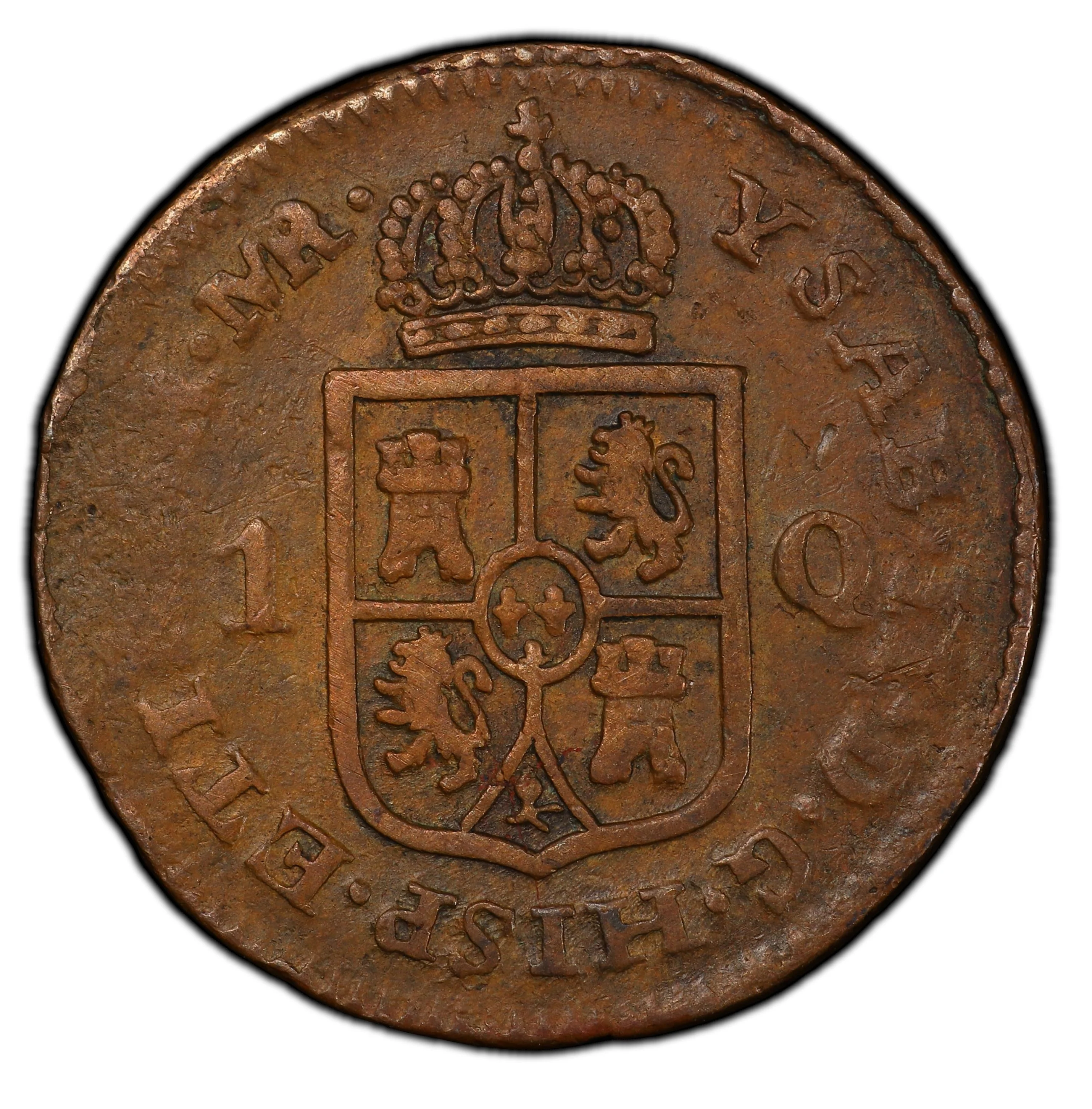
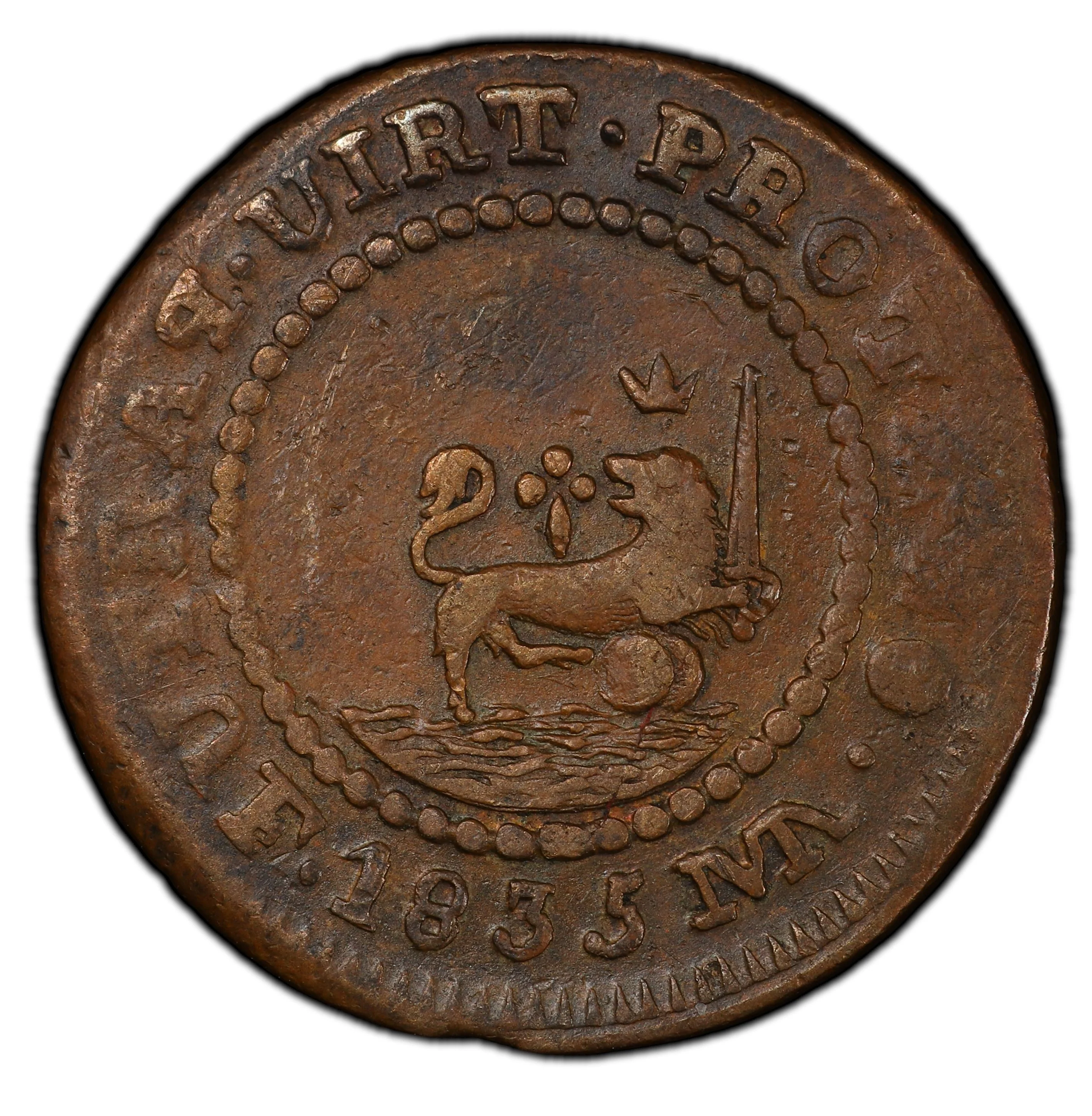
1 quarto – Philippines
Add to wishlist
Philippines
Context
Year: 1835
Issuer: Philippines
Ruler: Isabella II
Currency:
(1700—1857)
Subdivision: 1 quarto = ¼ Real
Demonetized: Yes
References
KM: #
Numista: #336715
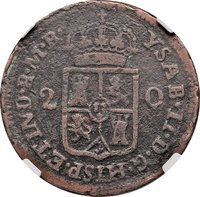
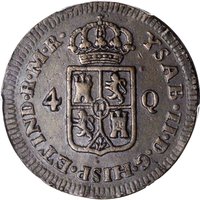
Obverse
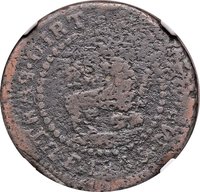
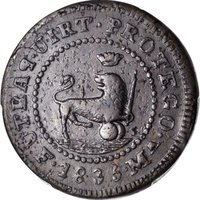
Reverse
Edge
Plain
Categories
| Animal> Feline |
| Symbols> Coat of Arms |
Mints
| Name | Mark |
|---|---|
| Manila | MA |
Mintings
| Year | Mint Mark | Mintage | Quality | Collection |
|---|---|---|---|---|
| 1835 | MA | — |
Historical background
In 1835, the Philippine currency system was a complex and often chaotic blend of indigenous, Spanish colonial, and international monies, reflecting the archipelago's position in the global trade network. The official currency was the Spanish peso fuerte (strong peso), a silver coin often called the "Mexican dollar" as many were minted in Mexico. However, a severe shortage of these official coins in daily circulation led to the widespread use of a confusing array of alternatives. These included fuertes cut into smaller pieces (literally "cut money" or peso pitu), older and debased Spanish coins, and a multitude of silver coins from other Spanish colonies and Asian trade partners like China and Peru, all accepted by weight and fineness rather than face value.
This scarcity of standardized coinage was exacerbated by the colony's chronic trade deficit with China and India, which caused a persistent outflow of silver to pay for imports. To facilitate smaller transactions, the Spanish administration allowed the circulation of low-denomination copper coins, known as cuartos or sencillos, which were often overvalued against silver. This created a bimetallic system with an unstable exchange rate, leading to frequent disputes and manipulation. Furthermore, the lack of a formal banking system meant that credit and paper money were virtually non-existent for the general populace, stifling economic growth and complicating both government finance and everyday commerce.
The situation in 1835 was a point of significant frustration for the colonial government and the growing merchant class in Manila. It highlighted the administrative weaknesses of Spanish rule and the urgent need for monetary reform. This pressure would eventually lead to the establishment of the Casa de Moneda de Manila (Manila Mint) in 1857, aiming to produce sufficient standardized coinage for the local economy and reduce dependence on imported silver, marking a pivotal step toward a more unified national currency system.
This scarcity of standardized coinage was exacerbated by the colony's chronic trade deficit with China and India, which caused a persistent outflow of silver to pay for imports. To facilitate smaller transactions, the Spanish administration allowed the circulation of low-denomination copper coins, known as cuartos or sencillos, which were often overvalued against silver. This created a bimetallic system with an unstable exchange rate, leading to frequent disputes and manipulation. Furthermore, the lack of a formal banking system meant that credit and paper money were virtually non-existent for the general populace, stifling economic growth and complicating both government finance and everyday commerce.
The situation in 1835 was a point of significant frustration for the colonial government and the growing merchant class in Manila. It highlighted the administrative weaknesses of Spanish rule and the urgent need for monetary reform. This pressure would eventually lead to the establishment of the Casa de Moneda de Manila (Manila Mint) in 1857, aiming to produce sufficient standardized coinage for the local economy and reduce dependence on imported silver, marking a pivotal step toward a more unified national currency system.

✨ Legendary