

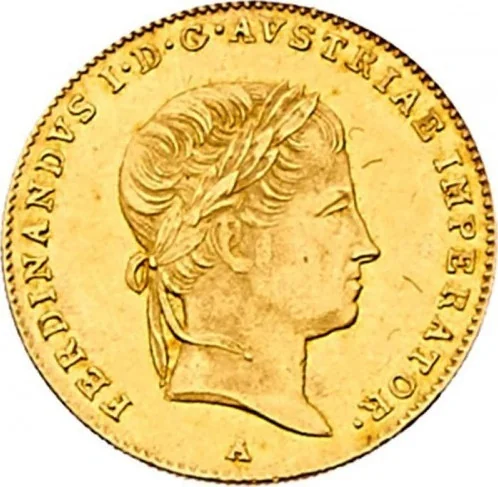
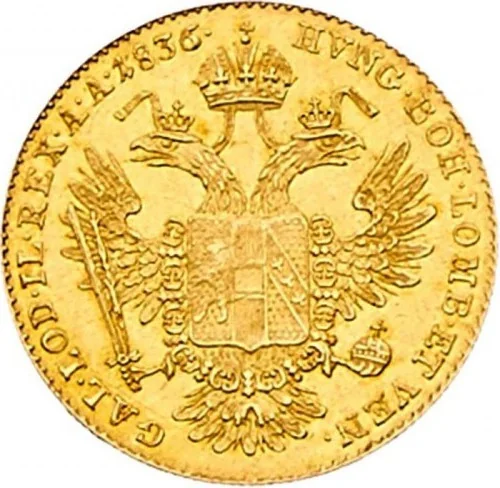
1 ducat – Austrian Empire
Add to wishlist
Austria
Context
Years: 1835–1837
Country: Austria
Issuer: Austrian Empire
Ruler: Ferdinand I
Currency:
(1754—1857)
Demonetized: Yes
Material
References
KM: #
Numista: #33655
Value
Bullion value: $527.26
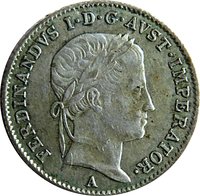
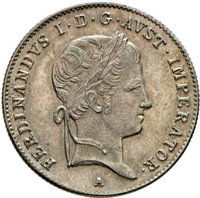
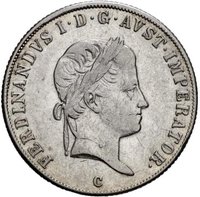
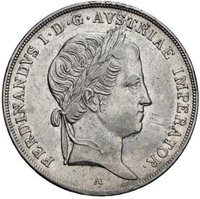
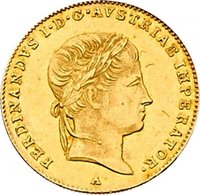
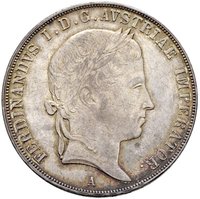
Obverse
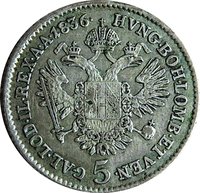
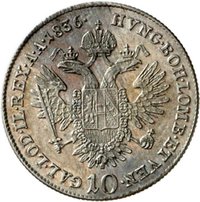
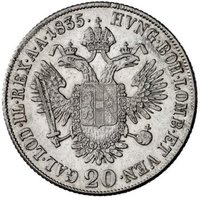
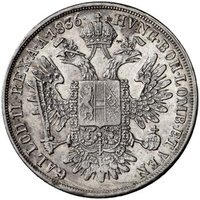
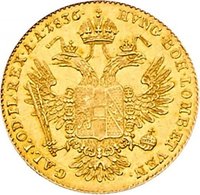
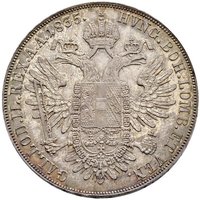
Reverse
Edge
Plain
Mints
| Name | Mark |
|---|---|
| Münze Österreich | A |
| Alba Iulia | E |
Historical background
In 1835, the Austrian Empire’s currency system was characterized by a state of fragile stability underpinned by significant underlying strains. Following the Napoleonic Wars and the costly suppression of the 1848 revolutions, the state had resorted to heavy borrowing and paper money issuance, leading to severe inflation. A partial state bankruptcy in 1811 and a currency devaluation in 1816 established a new silver standard, the Conventionsthaler, but paper banknotes (Bancozettel) remained in circulation and were not fully convertible. By 1835, under the conservative administration of Chancellor Metternich during the reign of Emperor Ferdinand I, the system was officially on a silver standard, yet a large volume of depreciated paper notes created a complex and often confusing dual monetary environment.
The primary unit of account was the Conventionsgulden (florin), divisible into 60 kreuzer, with one Conventionsthaler equal to 2 Conventionsgulden. However, daily transactions for most citizens involved a parallel circulation of silver coins and the still-abundant paper banknotes, which traded at a fluctuating and discounted rate against silver. This effectively created a two-tier economy: stable, hard-currency dealings for international trade and state finance, and a more unstable, inflationary paper currency for domestic commerce. The Austrian National Bank (Österreichische Nationalbank), founded in 1816, struggled to manage this duality and maintain public confidence.
Consequently, the monetary situation in 1835 was one of precarious equilibrium. While the immediate hyperinflation of earlier decades had been checked, the system was inefficient and vulnerable. The unresolved overhang of paper money hindered economic integration across the empire's diverse regions and acted as a drag on industrial growth and credit. This unstable foundation would prove insufficient to withstand the major political and financial shocks that lay ahead, culminating in the revolutions of 1848 and a subsequent full abandonment of the silver standard in 1859.
The primary unit of account was the Conventionsgulden (florin), divisible into 60 kreuzer, with one Conventionsthaler equal to 2 Conventionsgulden. However, daily transactions for most citizens involved a parallel circulation of silver coins and the still-abundant paper banknotes, which traded at a fluctuating and discounted rate against silver. This effectively created a two-tier economy: stable, hard-currency dealings for international trade and state finance, and a more unstable, inflationary paper currency for domestic commerce. The Austrian National Bank (Österreichische Nationalbank), founded in 1816, struggled to manage this duality and maintain public confidence.
Consequently, the monetary situation in 1835 was one of precarious equilibrium. While the immediate hyperinflation of earlier decades had been checked, the system was inefficient and vulnerable. The unresolved overhang of paper money hindered economic integration across the empire's diverse regions and acted as a drag on industrial growth and credit. This unstable foundation would prove insufficient to withstand the major political and financial shocks that lay ahead, culminating in the revolutions of 1848 and a subsequent full abandonment of the silver standard in 1859.
💎 Extremely Rare