

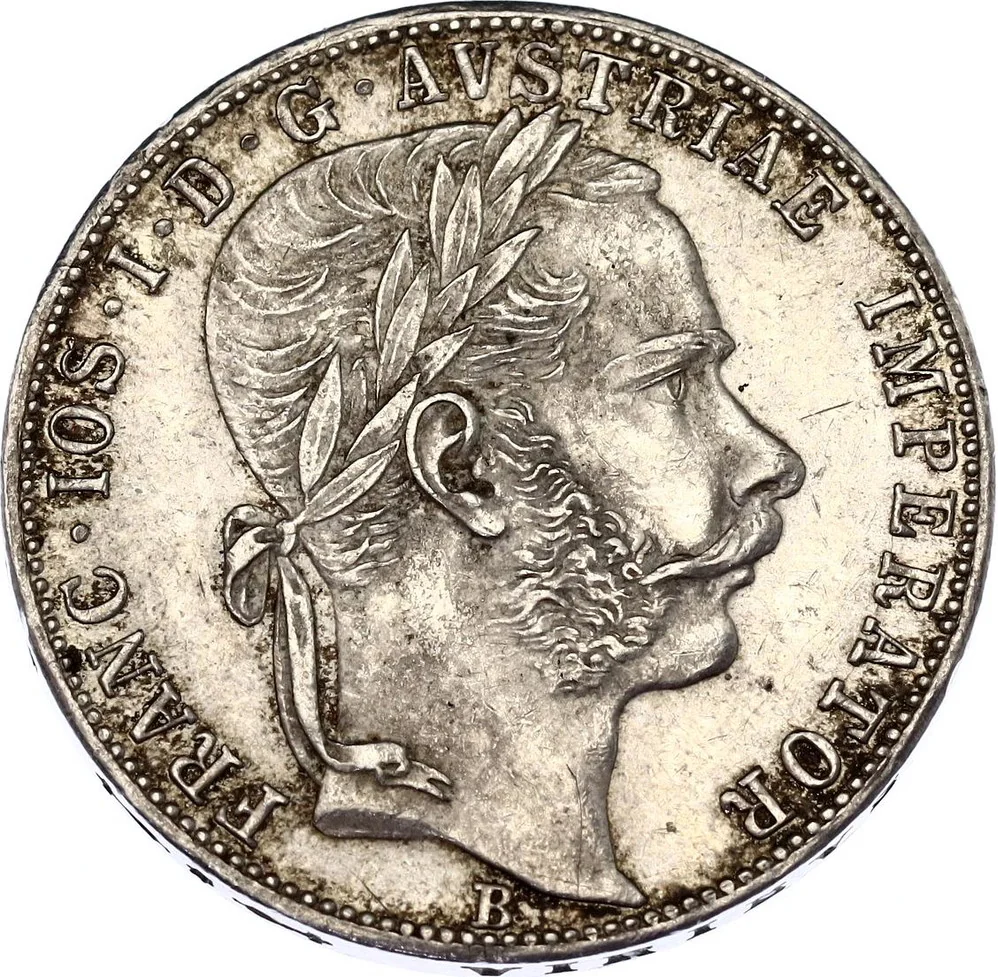
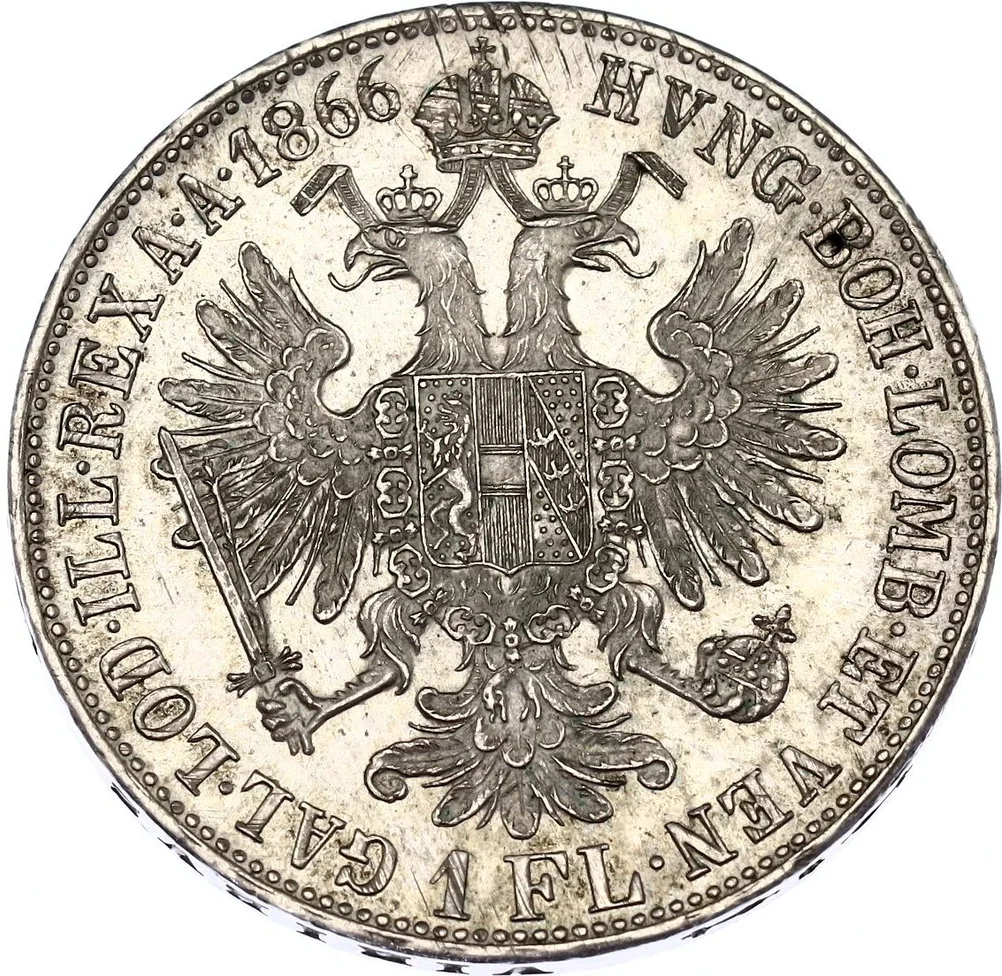
1 florin – Austrian Empire
Add to wishlist
Austria
Context
Year: 1866
Country: Austria
Issuer: Austrian Empire
Ruler: Francis Joseph I
Currency:
(1857—1892)
Demonetized: Yes
Total mintage: 2,191,159
Material
References
KM: #
Numista: #33519
Value
Bullion value: $28.16
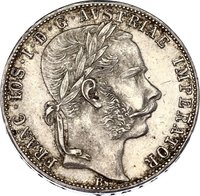
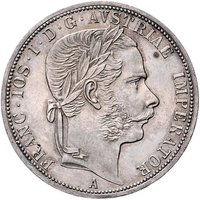
Obverse
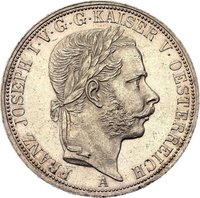
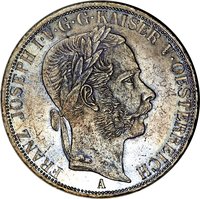
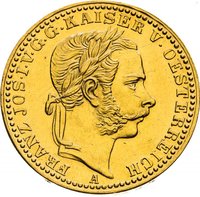
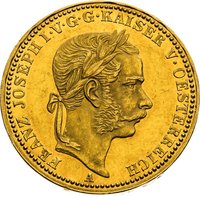
Inscription:
FRANC.IOS.I.D.G.AVSTRIAE.IMPERATOR
A
A
Translation:
Francis I, by the Grace of God, Emperor of Austria
Script: Latin
Language: Latin
Engraver: Josef Tautenhayn
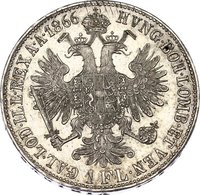
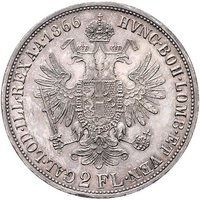
Reverse
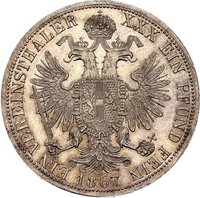
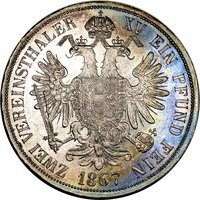
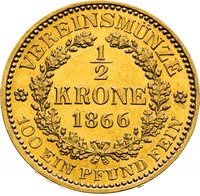
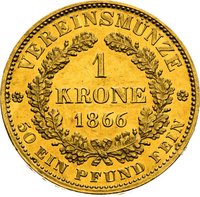
Inscription:
HVNG·BOH·LOMB·ET VEN· GAL·LOD·ILL·REX A·A·1866
1 FL
1 FL
Translation:
Hungarian, Bohemian, Lombardy and Venetia, Galicia, Lodomeria, Illyria, King, 1866
1 Florin
1 Florin
Script: Latin
Engraver: Franz Gaul
Edge
Mints
| Name | Mark |
|---|---|
| Münze Österreich | A |
| Kremnica | B |
| Alba Iulia | E |
| Venice | V |
Historical background
In 1866, the Austrian Empire's currency situation was characterized by the lingering consequences of the Austro-Prussian War and the structural weaknesses of its monetary system. The empire operated on a silver standard with the Vereinsthaler as its primary large-denomination coin, but its finances were severely strained. The costly war effort against Prussia and Italy was funded largely through borrowing from the Austrian National Bank and the issuance of paper money, leading to significant inflation and a growing disconnect between the value of state-issued paper notes (Bancozettel) and silver coinage.
This instability was rooted in the 1859 Lombardy War, which had already forced the state to suspend the convertibility of its notes into silver, creating a de facto fiat currency. By 1866, the pressure of financing another major conflict exacerbated this problem, causing the silver coinage to largely disappear from circulation as it was hoarded or exported. Consequently, public confidence in paper money plummeted, and a problematic exchange rate disparity emerged between Austria's paper gulden and the silver-based gulden used in the empire's western provinces, disrupting internal trade.
The aftermath of Austria's defeat at Königgrätz in July 1866 intensified the monetary crisis, as the state faced enormous war debts and the need to pay a large indemnity to Prussia. This financial shock set the stage for major reforms later in the decade. Indeed, the pressures of 1866 directly led to the 1867 Compromise with Hungary and the subsequent comprehensive monetary overhaul, culminating in the adoption of the new gold-standard Austro-Hungarian gulden in 1892, which finally provided the stable currency the empire had lacked during this turbulent period.
This instability was rooted in the 1859 Lombardy War, which had already forced the state to suspend the convertibility of its notes into silver, creating a de facto fiat currency. By 1866, the pressure of financing another major conflict exacerbated this problem, causing the silver coinage to largely disappear from circulation as it was hoarded or exported. Consequently, public confidence in paper money plummeted, and a problematic exchange rate disparity emerged between Austria's paper gulden and the silver-based gulden used in the empire's western provinces, disrupting internal trade.
The aftermath of Austria's defeat at Königgrätz in July 1866 intensified the monetary crisis, as the state faced enormous war debts and the need to pay a large indemnity to Prussia. This financial shock set the stage for major reforms later in the decade. Indeed, the pressures of 1866 directly led to the 1867 Compromise with Hungary and the subsequent comprehensive monetary overhaul, culminating in the adoption of the new gold-standard Austro-Hungarian gulden in 1892, which finally provided the stable currency the empire had lacked during this turbulent period.
💎 Very Rare