

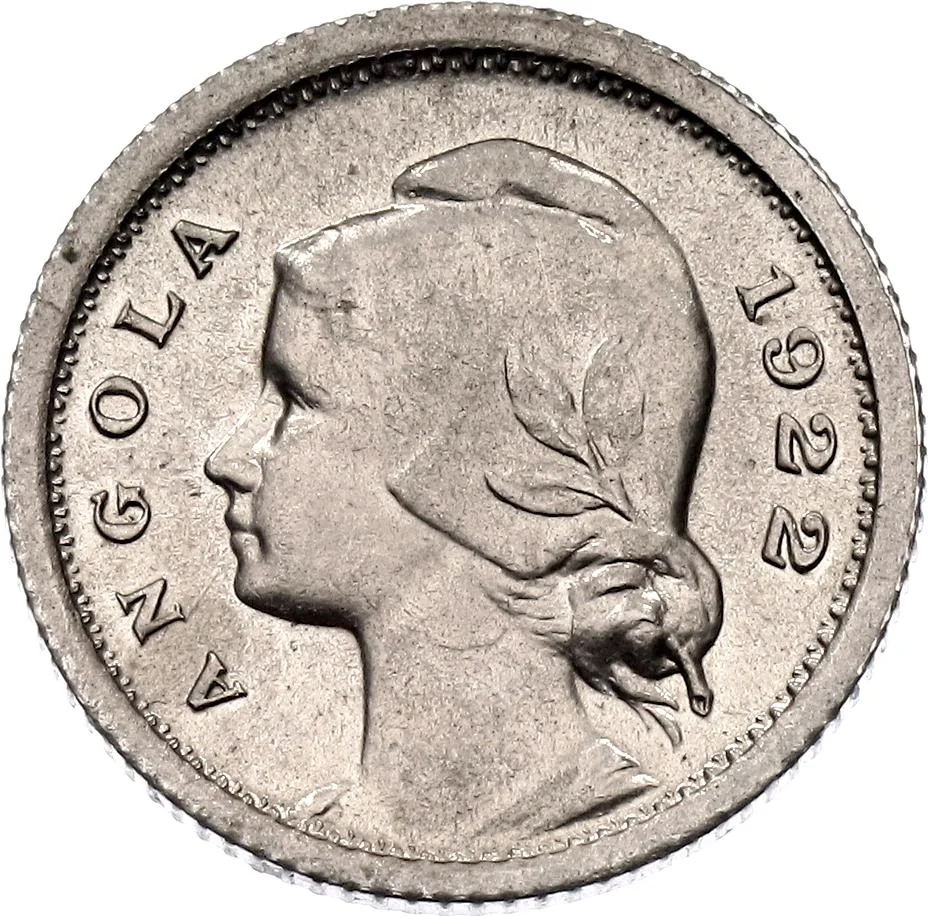
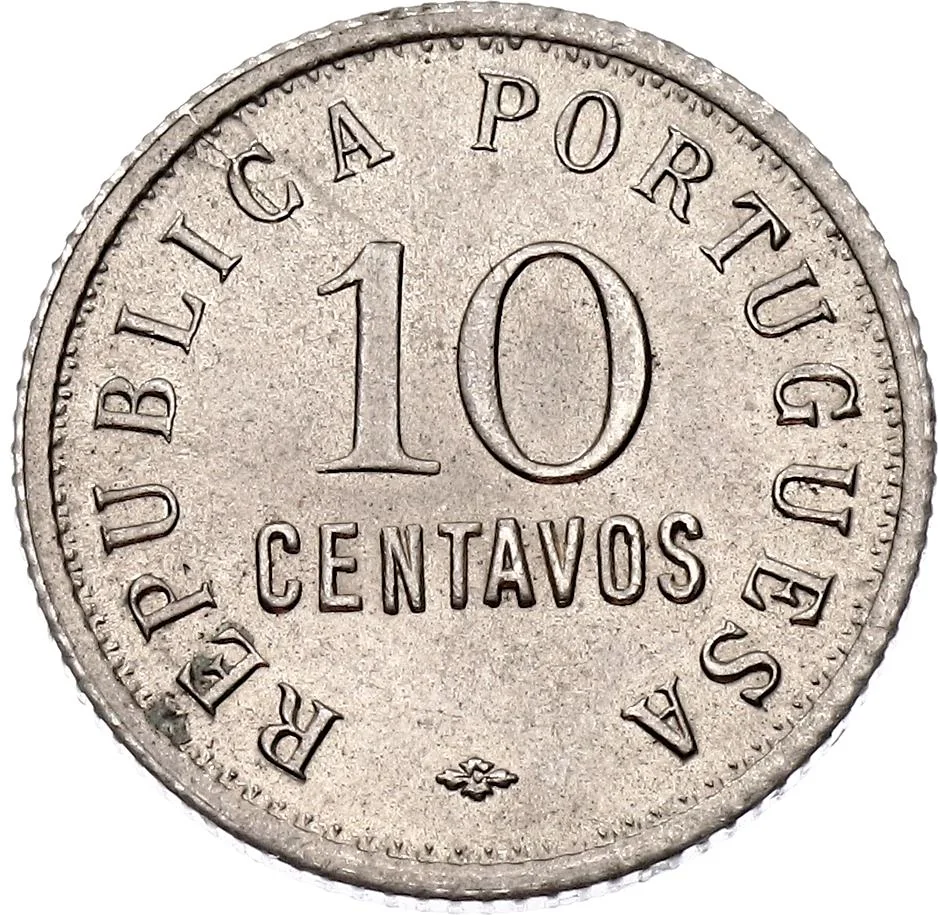
10 centavos – Angola
Add to wishlist
Angola
Context
Years: 1921–1923
Issuer: Angola
Period:
(1910—1951)
Currency:
(1914—1928)
Demonetized: Yes
Total mintage: 3,460,000
Material
Diameter: 19 mm
Weight: 3 g
Shape: Round
Composition: Copper-nickel
Technique: Milled
Alignment: Medal alignment
flip
References
KM: #
Numista: #33455
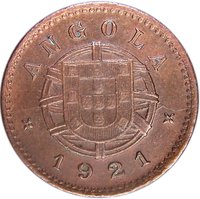
Obverse
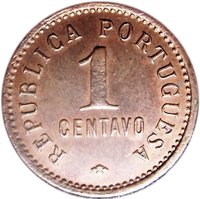
Reverse
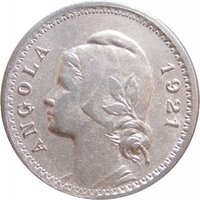
Description:
Valuable
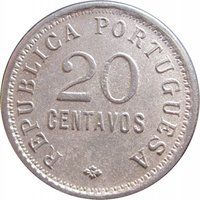
Inscription:
REPUBLICA PORTUGUESA
10
CENTAVOS
10
CENTAVOS
Translation:
Portuguese Republic
10
Cents
10
Cents
Script: Latin
Language: Portuguese
Edge
Reeded
Categories
| Symbol> Allegory |
| Symbol> Phrygian cap |
Mints
| Name | Mark |
|---|---|
| Imprensa Nacional - Casa da Moeda | — |
Mintings
| Year | Mint Mark | Mintage | Quality | Collection |
|---|---|---|---|---|
| 1921 | — | 160,000 | ||
| 1922 | — | 340,000 | ||
| 1923 | — | 2,960,000 |
Historical background
In 1921, Angola's currency situation was a direct reflection of its status as a Portuguese colony, operating within a complex framework of metropolitan control and local economic realities. The official currency was the Angolan real, which was pegged to and subordinate to Portugal's own real. However, the monetary system was not uniform or fully controlled. A significant practical challenge was the chronic shortage of low-denomination coins for everyday transactions, a problem common in many colonial economies. This scarcity often forced the use of barter or privately issued tokens by local merchants and businesses to facilitate small-scale trade, creating a dual system of official and informal money.
The period was also marked by considerable economic strain. Angola's economy was heavily reliant on agricultural exports, but the post-World War I global downturn and a severe drought in the preceding years had depressed commodity prices and reduced output. This economic contraction put pressure on the colonial government's finances and limited the supply of official currency in circulation. Furthermore, the monetary policy was dictated from Lisbon, with little regard for Angola's specific cyclical needs, often exacerbating liquidity crunches and hindering commercial activity.
Looking forward, this unstable and inefficient currency regime would be a key justification for a major monetary reform. Just a few years later, in 1926, the Angolan escudo was introduced, replacing the real at a rate of 1 escudo to 1,000 réis. This reform, aligning with a similar change in Portugal itself, aimed to simplify transactions, assert greater colonial monetary control, and stabilize the financial environment to better serve Portuguese commercial interests and the developing plantation economy. Thus, the currency situation of 1921 represents the final years of an outdated system on the brink of overhaul.
The period was also marked by considerable economic strain. Angola's economy was heavily reliant on agricultural exports, but the post-World War I global downturn and a severe drought in the preceding years had depressed commodity prices and reduced output. This economic contraction put pressure on the colonial government's finances and limited the supply of official currency in circulation. Furthermore, the monetary policy was dictated from Lisbon, with little regard for Angola's specific cyclical needs, often exacerbating liquidity crunches and hindering commercial activity.
Looking forward, this unstable and inefficient currency regime would be a key justification for a major monetary reform. Just a few years later, in 1926, the Angolan escudo was introduced, replacing the real at a rate of 1 escudo to 1,000 réis. This reform, aligning with a similar change in Portugal itself, aimed to simplify transactions, assert greater colonial monetary control, and stabilize the financial environment to better serve Portuguese commercial interests and the developing plantation economy. Thus, the currency situation of 1921 represents the final years of an outdated system on the brink of overhaul.
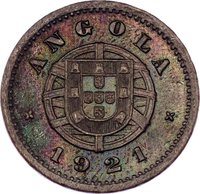
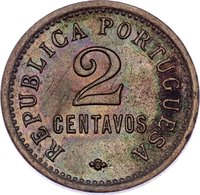
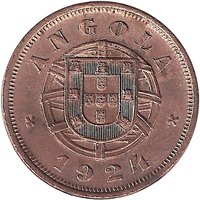
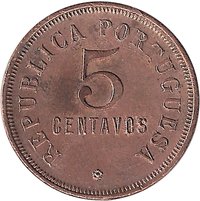
Series: 1921 Angola circulation coins
🌟 Uncommon