

1½ Pence – United Kingdom
United Kingdom
Context
Years: 1838–1870
Issuer: United Kingdom 
Ruler: Victoria
Currency:
(1158—1970)
Demonetized: Yes
Total mintage: 4,312,000
Material
References
KM: #Click to copy to clipboard728
Numista: #13826
Value
Bullion value: $1.88
Obverse
Description:
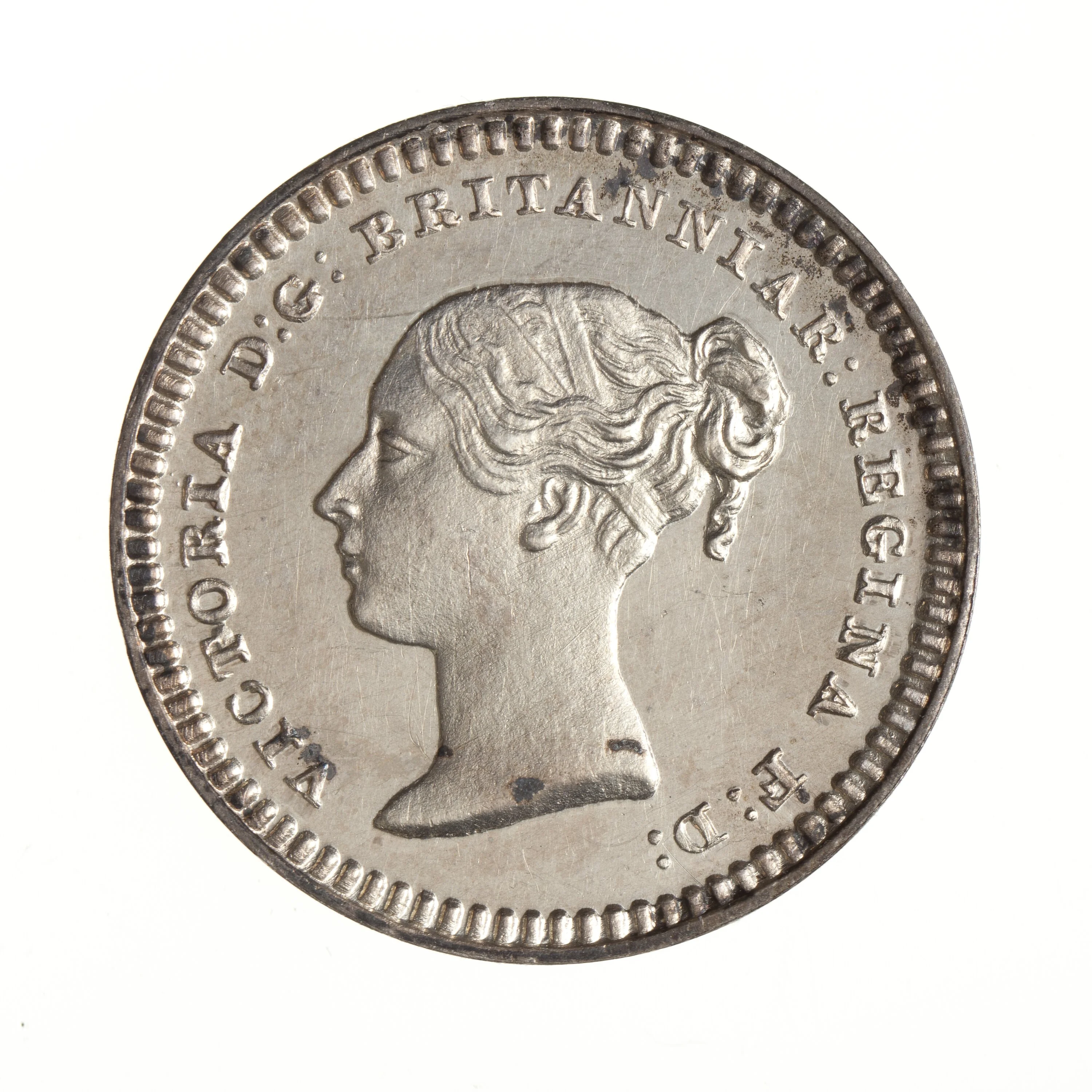
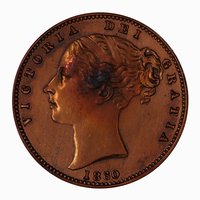
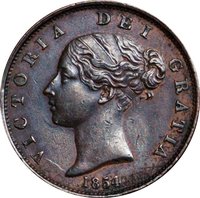
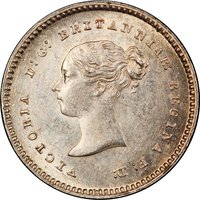
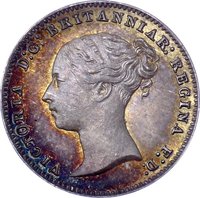
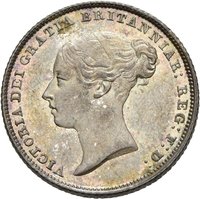
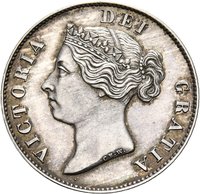
Young Head Victoria left, legend around.
Inscription:
VICTORIA D:G: BRITANNIAR: REGINA F:D:
Translation:
Victoria by the Grace of God, Queen of the Britains, Defender of the Faith.
Script: Latin
Language: Latin
Engraver: William Wyon
Reverse
Description:
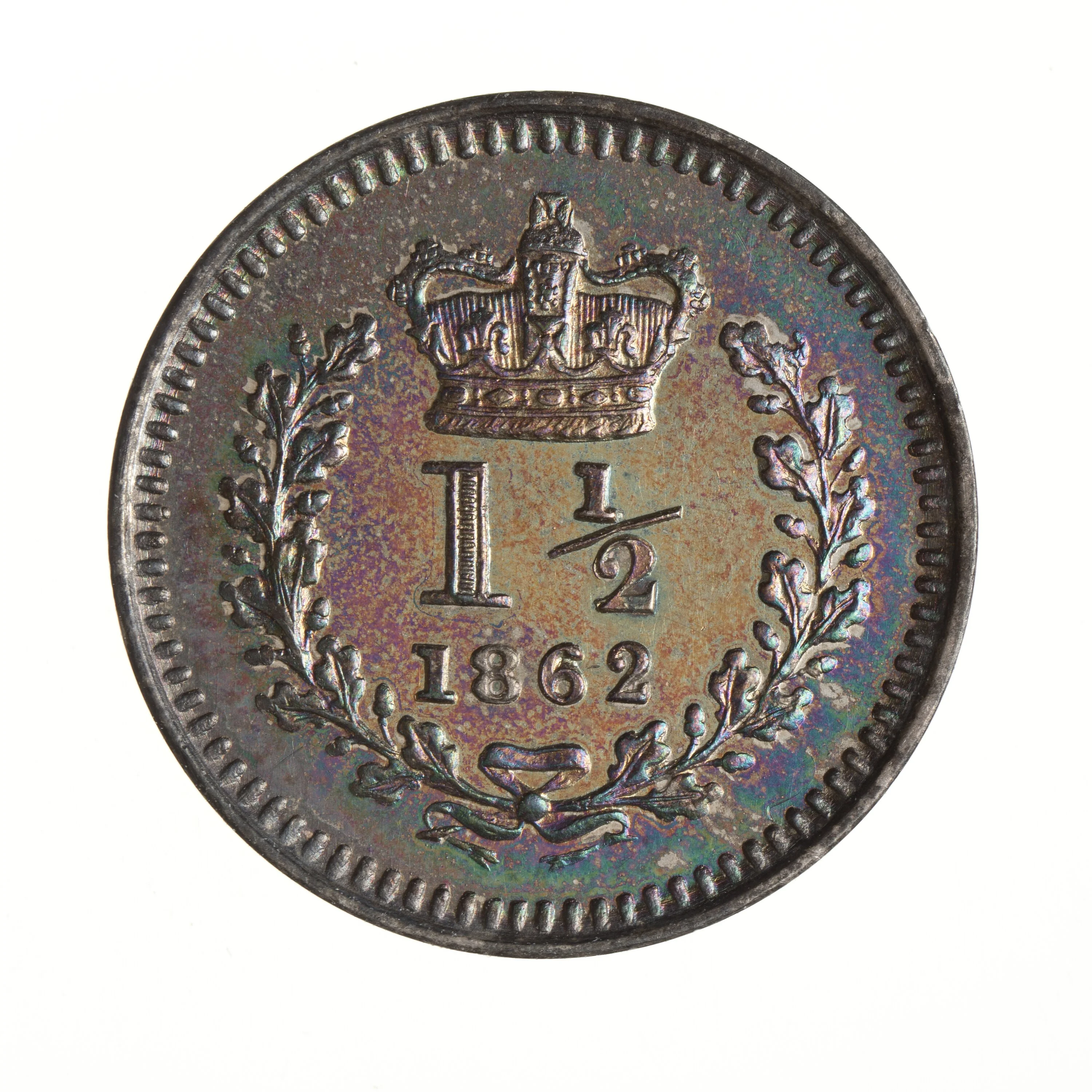
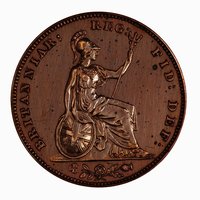
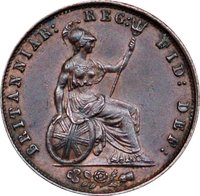
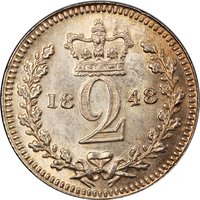
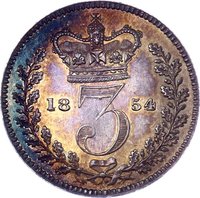
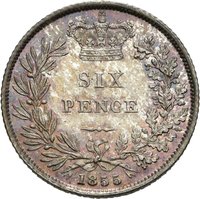
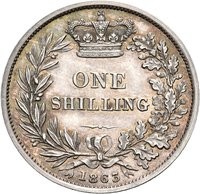
Crowned denomination above date in oak wreath. Overdate variety exists.
Inscription:
1½
1838
1838
Script: Latin
Engraver: Jean Baptiste Merlen
Edge
Mints
| Name | Mark |
|---|---|
| Royal Mint (Tower Hill) | — |
Mintings
| Year | Mint Mark | Mintage | Quality | Collection |
|---|---|---|---|---|
| 1838 | — | 539,000 | ||
| 1838 | — | — | Proof | |
| 1839 | — | 760,000 | ||
| 1840 | — | 95,000 | ||
| 1841 | — | 158,000 | ||
| 1842 | — | 1,869,000 | ||
| 1843 | — | 475,000 | ||
| 1843 | — | — | Proof | |
| 1860 | — | 160,000 | ||
| 1862 | — | 256,000 | ||
| 1862 | — | — | Proof | |
| 1870 | — | — | Proof |
Historical background
In 1838, the United Kingdom was operating under a de facto gold standard, established following the landmark Resumption Act of 1819. This legislation had mandated a return to gold convertibility after the suspension during the Napoleonic Wars, a process completed in 1821. The official price was set at £3 17s 10½d per ounce of gold, meaning Bank of England notes were freely exchangeable for gold bullion upon demand. This system aimed to ensure monetary discipline and stability, but it existed alongside a complex mix of circulating media, including gold sovereigns, Bank of England notes (which were legal tender), and a plethora of private provincial banknotes of varying reliability.
The period was, however, one of intense monetary controversy. A powerful political and intellectual movement, the Currency School, argued that the existing system was inherently unstable. They believed that the over-issuance of banknotes by country banks, not fully backed by gold reserves, fuelled speculative booms and painful busts, like the crisis of 1825. Their proposed solution, which would culminate in the Bank Charter Act of 1844, was to rigidly tie the issuance of banknotes to the Bank of England's gold reserves, effectively creating a monopoly on note-issue for the central bank to prevent oversupply.
Opposing them, the Banking School contended that the Currency School's analysis was flawed. They argued that banknotes were merely a component of a broader credit system and that restricting their issue alone would not prevent crises, instead potentially exacerbating commercial credit shortages. For the ordinary person in 1838, the debate was abstract, but its implications were real: the stability of the money they used, the availability of credit for businesses, and the nation's overall economic health hung in the balance, setting the stage for the pivotal legislative battle of the following decade.
The period was, however, one of intense monetary controversy. A powerful political and intellectual movement, the Currency School, argued that the existing system was inherently unstable. They believed that the over-issuance of banknotes by country banks, not fully backed by gold reserves, fuelled speculative booms and painful busts, like the crisis of 1825. Their proposed solution, which would culminate in the Bank Charter Act of 1844, was to rigidly tie the issuance of banknotes to the Bank of England's gold reserves, effectively creating a monopoly on note-issue for the central bank to prevent oversupply.
Opposing them, the Banking School contended that the Currency School's analysis was flawed. They argued that banknotes were merely a component of a broader credit system and that restricting their issue alone would not prevent crises, instead potentially exacerbating commercial credit shortages. For the ordinary person in 1838, the debate was abstract, but its implications were real: the stability of the money they used, the availability of credit for businesses, and the nation's overall economic health hung in the balance, setting the stage for the pivotal legislative battle of the following decade.
🌱 Common