

½ macuta – Angola
Add to wishlist
Angola
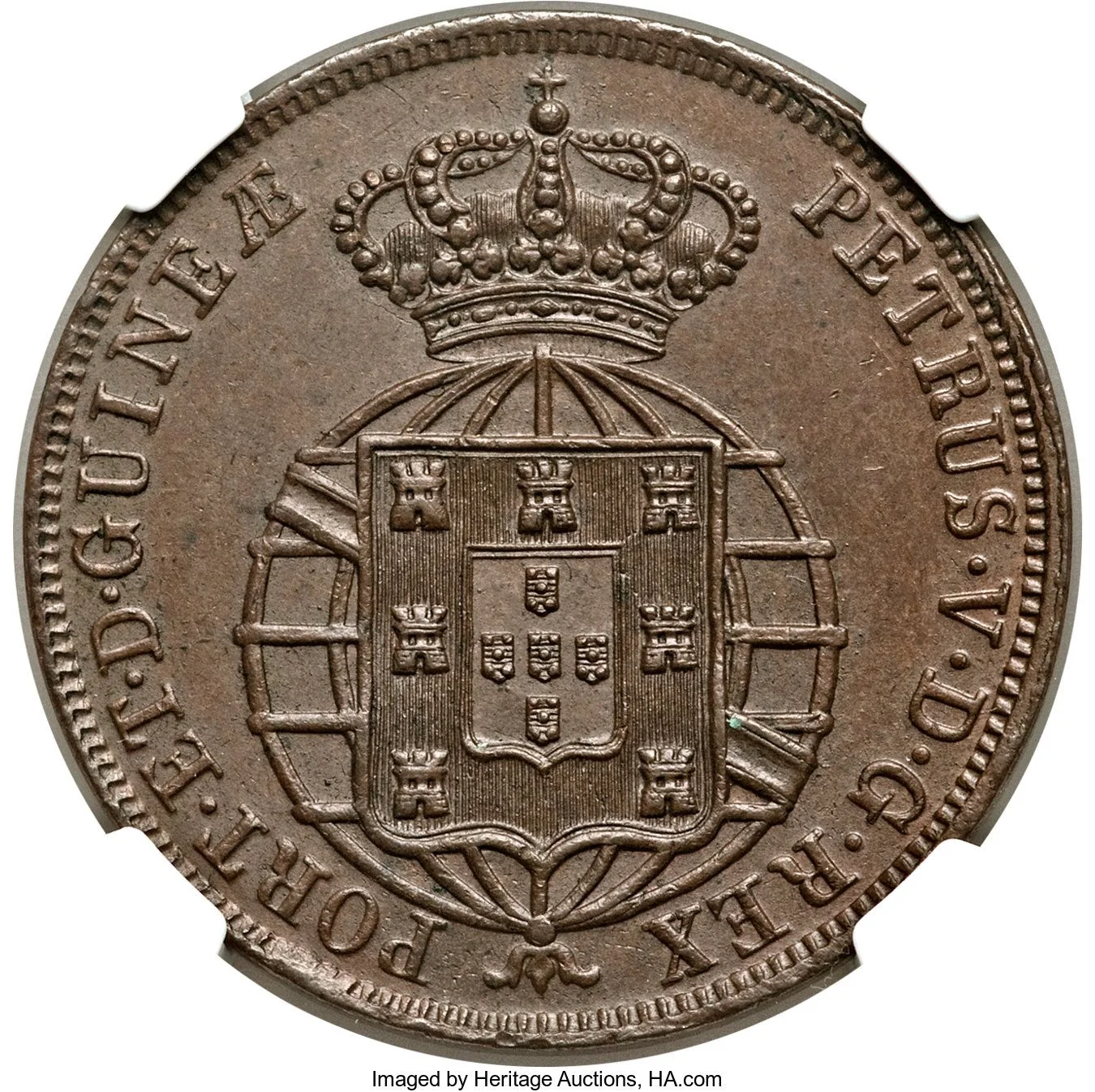
Obverse
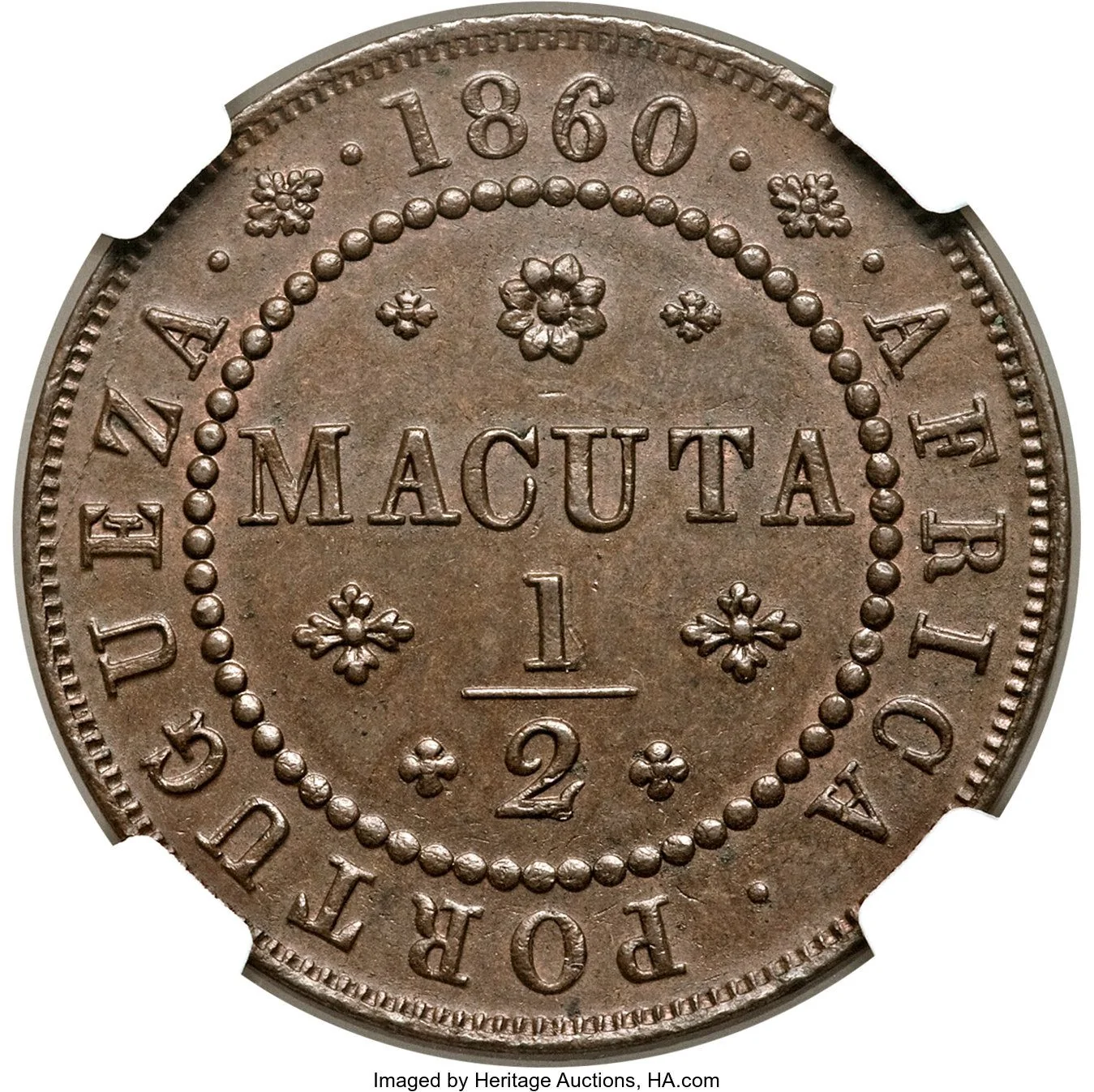
Reverse
Description:
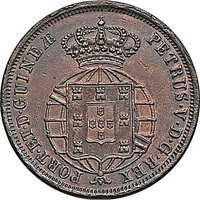
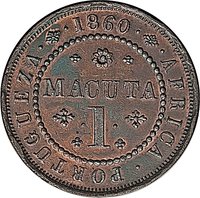
Beaded circle with rosettes and value marks.
Inscription:
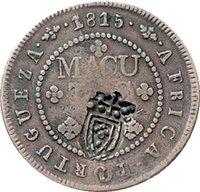
AFRICA.PORTUGUEZA.1860
MACUTA
1/2
MACUTA
1/2
Script: Latin
Edge
Full
Mints
| Name | Mark |
|---|---|
| Imprensa Nacional - Casa da Moeda | — |
Mintings
| Year | Mint Mark | Mintage | Quality | Collection |
|---|---|---|---|---|
| 1858 | — | 226,297 | ||
| 1860 | — | 397,760 |
Historical background
In 1858, Angola, as a Portuguese colony, did not have a unified, independent currency system. The economy was primarily driven by the transatlantic slave trade, which was still legal at the time, though under increasing international pressure. As such, the most common "currencies" were not minted coins but rather trade goods and commodities. The most significant unit of value was the escravo (slave), used as a benchmark for large transactions, alongside traditional African currencies like libongos (shells, specifically nzimbu shells from Luanda Island) and rolls of imported cloth, especially from Brazil.
The official Portuguese currency, the réis, was present but its circulation was limited mostly to administrative centers, port cities, and among the colonial elite. Coins from other nations, particularly Brazilian réis and Spanish-American silver pesos or patacas, also circulated due to extensive trade links. This created a complex and fragmented monetary environment where transactions between the Portuguese administration and international traders used coin, while internal and regional trade often relied on commodity money and barter.
This multi-layered system reflected Angola’s position in the mid-19th century Atlantic economy: a slave-based colony with weak formal institutions, deeply integrated into Brazilian and Portuguese commercial networks, yet still operating on older African economic foundations. The reliance on the escravo as a unit of account underscored the brutal reality that human beings were the colony's primary export and de facto standard of value, a situation that would only begin to change as the slave trade was gradually abolished in the decades following 1858.
The official Portuguese currency, the réis, was present but its circulation was limited mostly to administrative centers, port cities, and among the colonial elite. Coins from other nations, particularly Brazilian réis and Spanish-American silver pesos or patacas, also circulated due to extensive trade links. This created a complex and fragmented monetary environment where transactions between the Portuguese administration and international traders used coin, while internal and regional trade often relied on commodity money and barter.
This multi-layered system reflected Angola’s position in the mid-19th century Atlantic economy: a slave-based colony with weak formal institutions, deeply integrated into Brazilian and Portuguese commercial networks, yet still operating on older African economic foundations. The reliance on the escravo as a unit of account underscored the brutal reality that human beings were the colony's primary export and de facto standard of value, a situation that would only begin to change as the slave trade was gradually abolished in the decades following 1858.
⭐ Rare