

1 Fuang – Thailand
Standard circulation coins
Series: Luk Sorn
Thailand
Context

Material
References
Numista: #331339
Value
Bullion value: $4.65
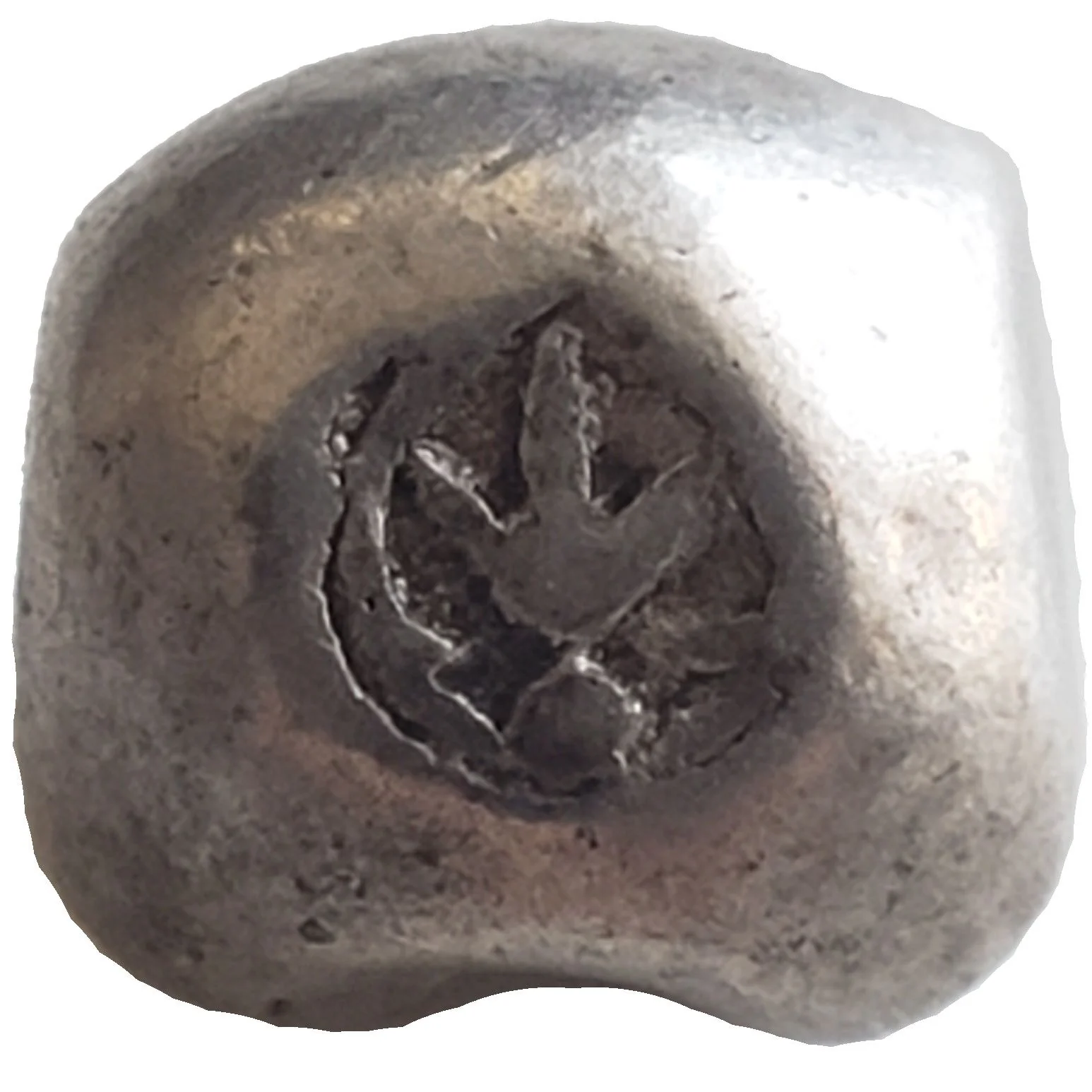
Obverse
Description:
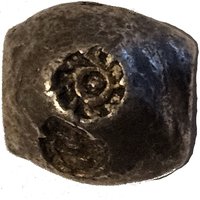
Luk Sorn, King Rama III's chopmark.
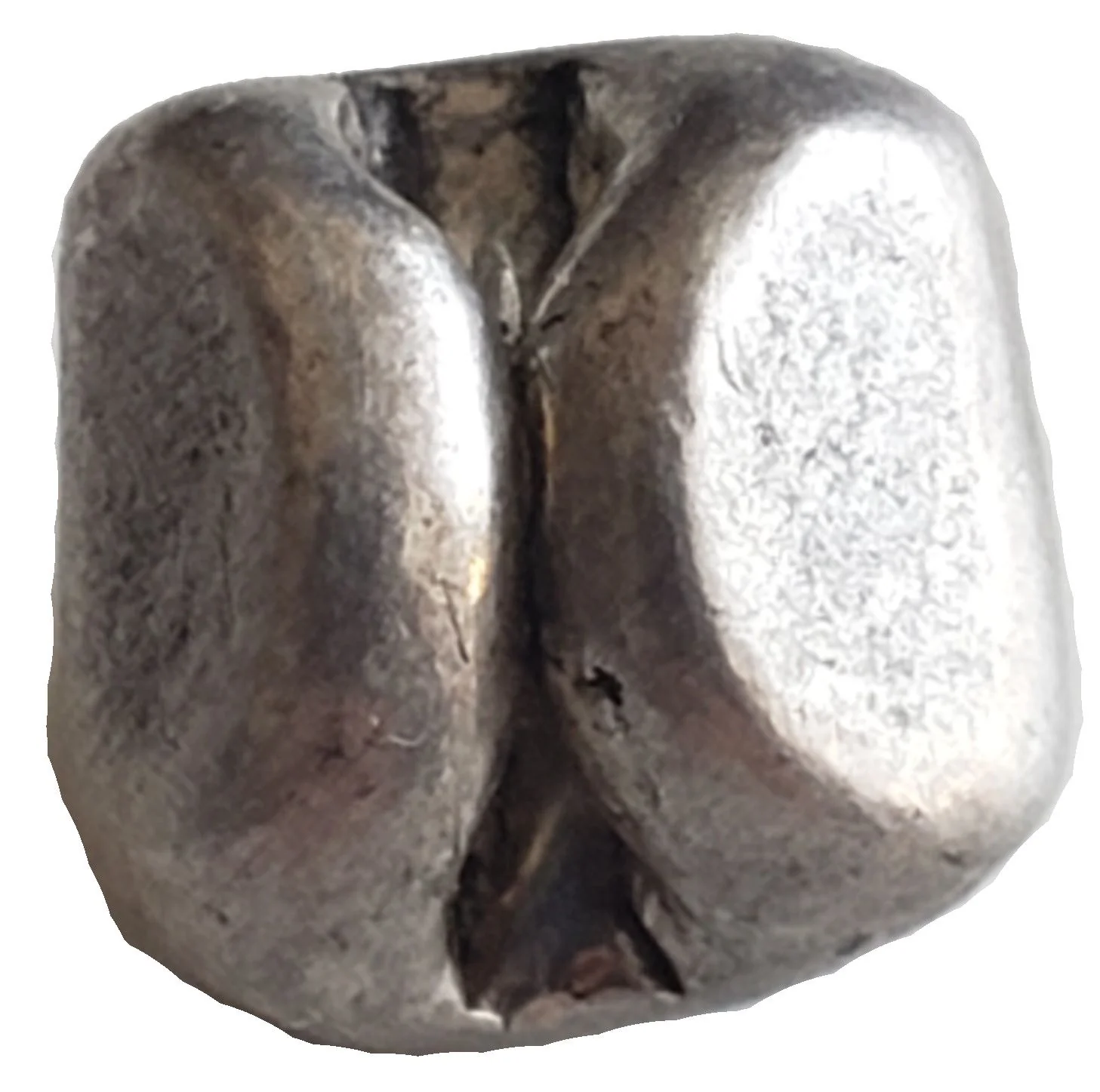
Reverse
Edge
© Micheal Linke
Mintings
| Year | Mint Mark | Mintage | Quality | Collection |
|---|---|---|---|---|
| 1848 | — | — |
Historical background
In 1848, the currency situation in the Kingdom of Siam (modern-day Thailand) was a complex and fragmented system, primarily operating on a bi-metallic standard of silver and gold, but dominated by bullet-shaped silver coins known as "pot duang" or "bullet money." This indigenous currency, produced by the royal treasury, was made by bending silver bars into round shapes and stamping them with official marks indicating their purity and origin. However, its value was not by face but by actual weight and fineness, requiring cutting or shaving for small transactions, which made commerce cumbersome. Alongside this, a variety of foreign silver coins, particularly Mexican and Spanish "Carolus" dollars, circulated widely in port cities like Bangkok due to extensive international trade.
This monetary fragmentation was exacerbated by the absence of a unified national coinage. Different regions and even important monasteries sometimes issued their own pot duang, leading to inconsistencies. Furthermore, the system lacked smaller denominations for everyday use, forcing common people to rely on cowrie shells or tokens for minor purchases. The circulation of foreign coins and the inherent inefficiencies of the bullet money system created a chaotic exchange environment, hindering both domestic administration and the kingdom's growing commercial engagement with European powers and neighboring states.
The year 1848 falls within the reign of King Rama III (1824-1851), a period of significant fiscal strain due to wars and trade deficits. While the king was aware of the currency problems, major reform would not begin until the following reign. Thus, in 1848, the system remained a pre-modern patchwork, representing a traditional economy in transition. The pressing need for a decimalized, machine-struck coinage was becoming undeniable, setting the stage for the sweeping monetary reforms successfully implemented by King Rama IV (King Mongkut) and his successor in the 1860s.
This monetary fragmentation was exacerbated by the absence of a unified national coinage. Different regions and even important monasteries sometimes issued their own pot duang, leading to inconsistencies. Furthermore, the system lacked smaller denominations for everyday use, forcing common people to rely on cowrie shells or tokens for minor purchases. The circulation of foreign coins and the inherent inefficiencies of the bullet money system created a chaotic exchange environment, hindering both domestic administration and the kingdom's growing commercial engagement with European powers and neighboring states.
The year 1848 falls within the reign of King Rama III (1824-1851), a period of significant fiscal strain due to wars and trade deficits. While the king was aware of the currency problems, major reform would not begin until the following reign. Thus, in 1848, the system remained a pre-modern patchwork, representing a traditional economy in transition. The pressing need for a decimalized, machine-struck coinage was becoming undeniable, setting the stage for the sweeping monetary reforms successfully implemented by King Rama IV (King Mongkut) and his successor in the 1860s.
Series: Luk Sorn



✨ Legendary