

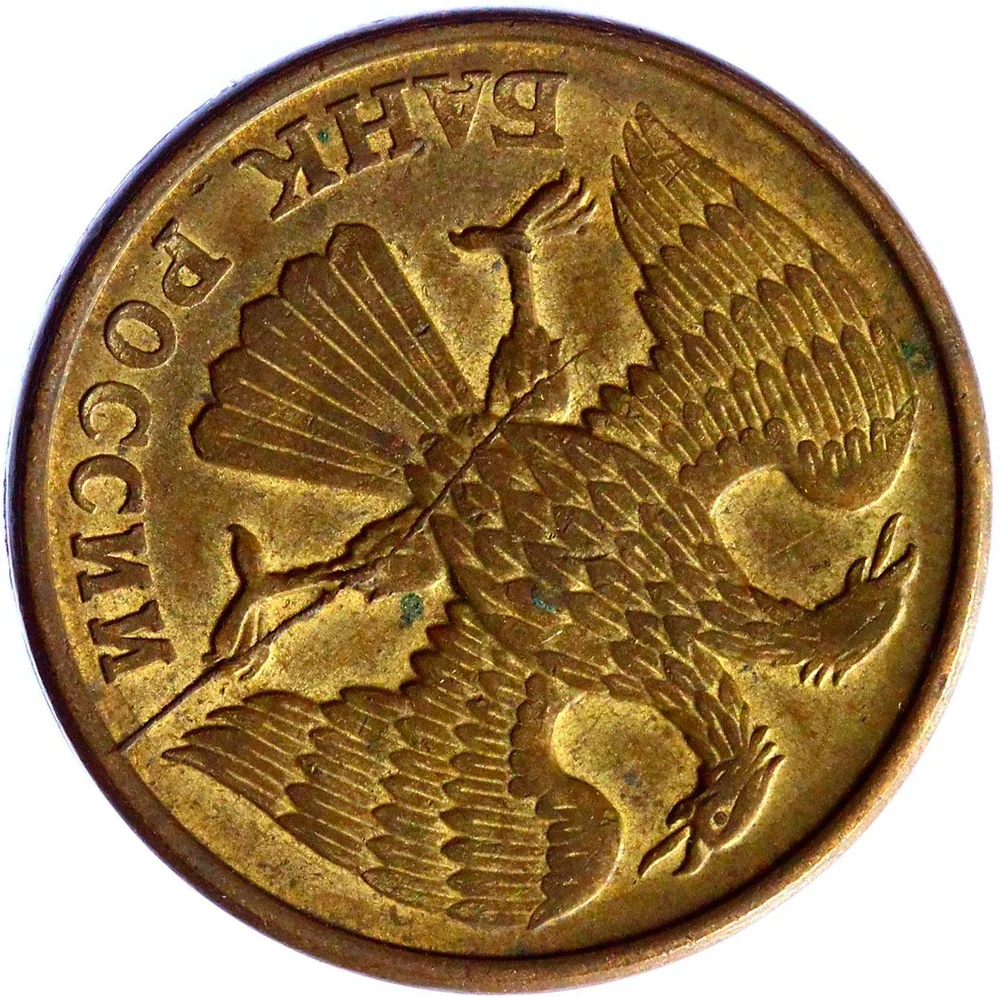
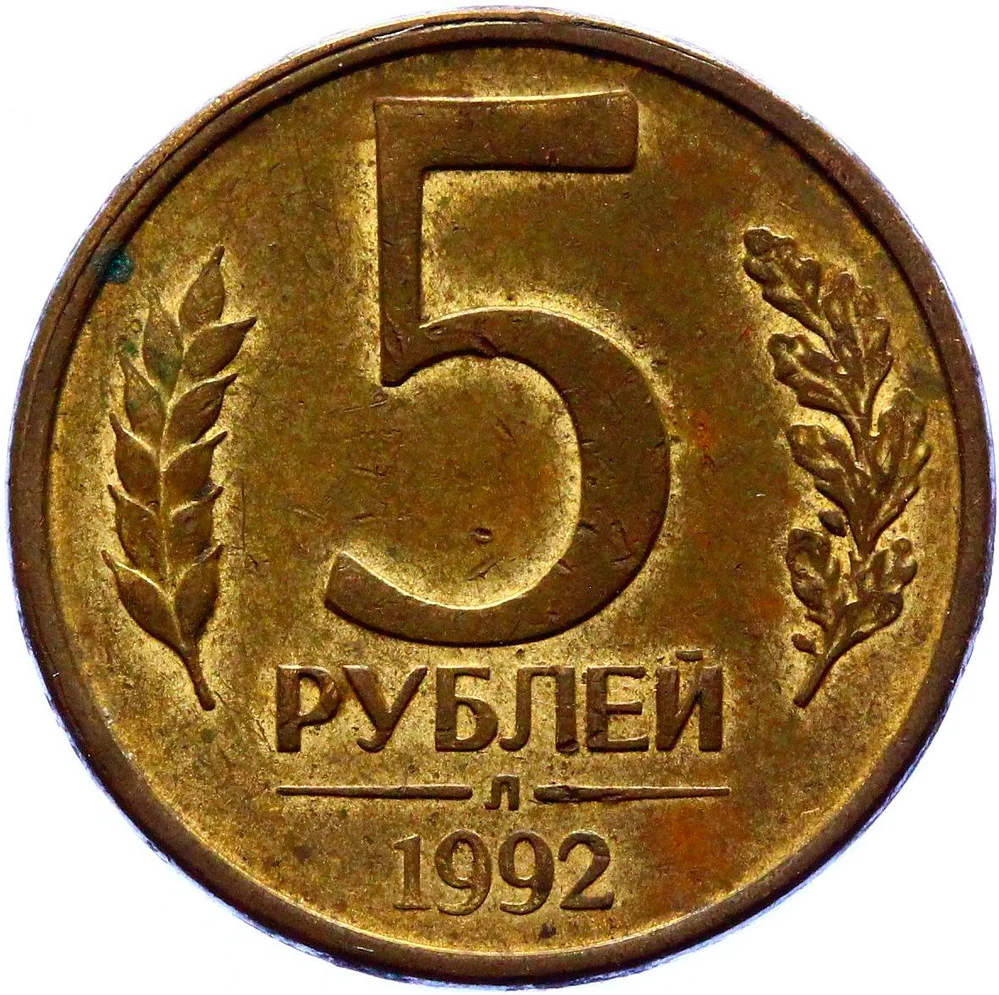
5 rubles – Russian Federation
Add to wishlist
Russia
Context
Year: 1992
Country: Russia
Issuer: Russian Federation
Issuing organization: Central Bank of Russia
Period:
(since 1991)
Currency:
(1992—1997)
Demonetization: 1 January 1998
Material
References
Y: #
Numista: #3266
Value
Exchange value: 5 RUR
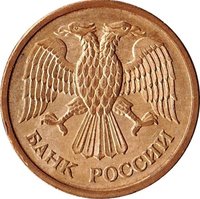
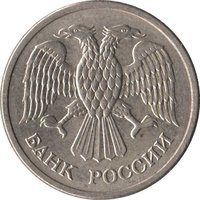
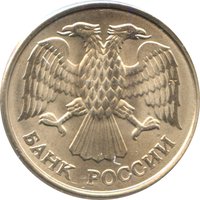
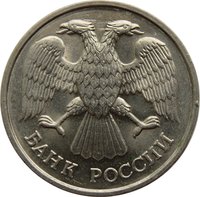
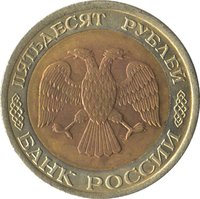
Obverse
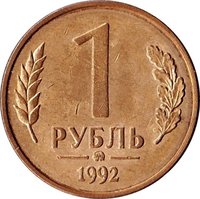
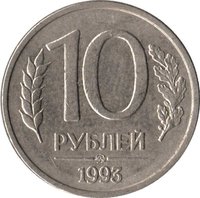
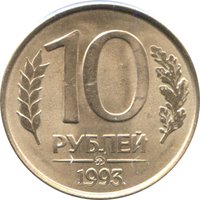
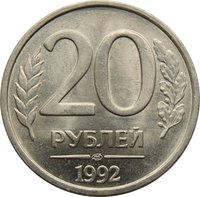
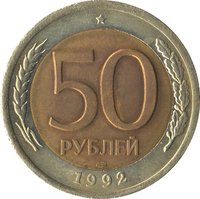
Reverse
Edge
Plain
Mints
| Name | Mark |
|---|---|
| Saint Petersburg | (Л) |
| Moscow Mint | (М) |
| Moscow Mint | (ММД) |
Mintings
| Year | Mint Mark | Mintage | Quality | Collection |
|---|---|---|---|---|
| 1992 | Л | — | ||
| 1992 | М | — | ||
| 1992 | ММД | — |
Historical background
In 1992, the newly independent Russian Federation inherited a catastrophic monetary situation from the collapsed Soviet Union. The core problem was a massive monetary overhang, where a vast surplus of rubles in savings accounts and cash, accumulated under decades of fixed prices and shortages, chased a severely limited supply of goods. With price controls lifted in January 1992 as part of President Yeltsin's "shock therapy," this pent-up demand triggered hyperinflation, which soared to an annual rate of over 2,500%. The ruble, now suddenly convertible, began a precipitous and volatile decline in value, devastating the savings of ordinary citizens and eroding real wages.
This currency crisis was exacerbated by the actions of the Central Bank of Russia (CBR), which was still under the influence of the conservative parliament. Defying the government's reform agenda, the CBR continued to extend massive, directed credits to insolvent state enterprises and to the other former Soviet republics, who were still using the ruble. This reckless expansion of the money supply directly fueled the inflationary fire, undermining stabilization efforts and leading to a severe political struggle between the executive and legislative branches over control of monetary policy.
Consequently, the 1992 currency situation was characterized by a vicious cycle of printing money, soaring prices, and a collapsing exchange rate. The instability was so profound that it led to the first of several redenominations later in the decade and forced the introduction of new, separate currencies by other post-Soviet states. This chaotic year set the stage for the even more severe ruble crises that would follow later in the 1990s, defining the period as one of profound monetary instability and loss of public trust in the national currency.
This currency crisis was exacerbated by the actions of the Central Bank of Russia (CBR), which was still under the influence of the conservative parliament. Defying the government's reform agenda, the CBR continued to extend massive, directed credits to insolvent state enterprises and to the other former Soviet republics, who were still using the ruble. This reckless expansion of the money supply directly fueled the inflationary fire, undermining stabilization efforts and leading to a severe political struggle between the executive and legislative branches over control of monetary policy.
Consequently, the 1992 currency situation was characterized by a vicious cycle of printing money, soaring prices, and a collapsing exchange rate. The instability was so profound that it led to the first of several redenominations later in the decade and forced the introduction of new, separate currencies by other post-Soviet states. This chaotic year set the stage for the even more severe ruble crises that would follow later in the 1990s, defining the period as one of profound monetary instability and loss of public trust in the national currency.
🌱 Very Common