

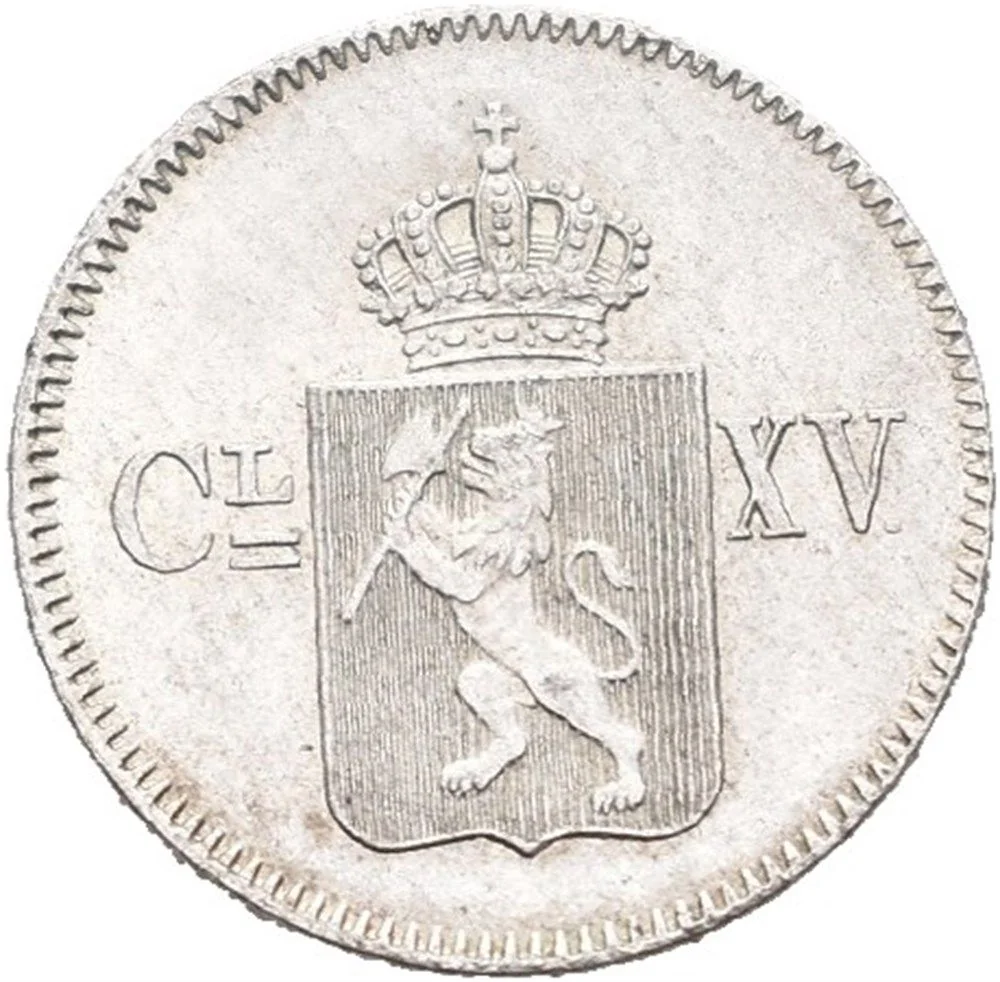
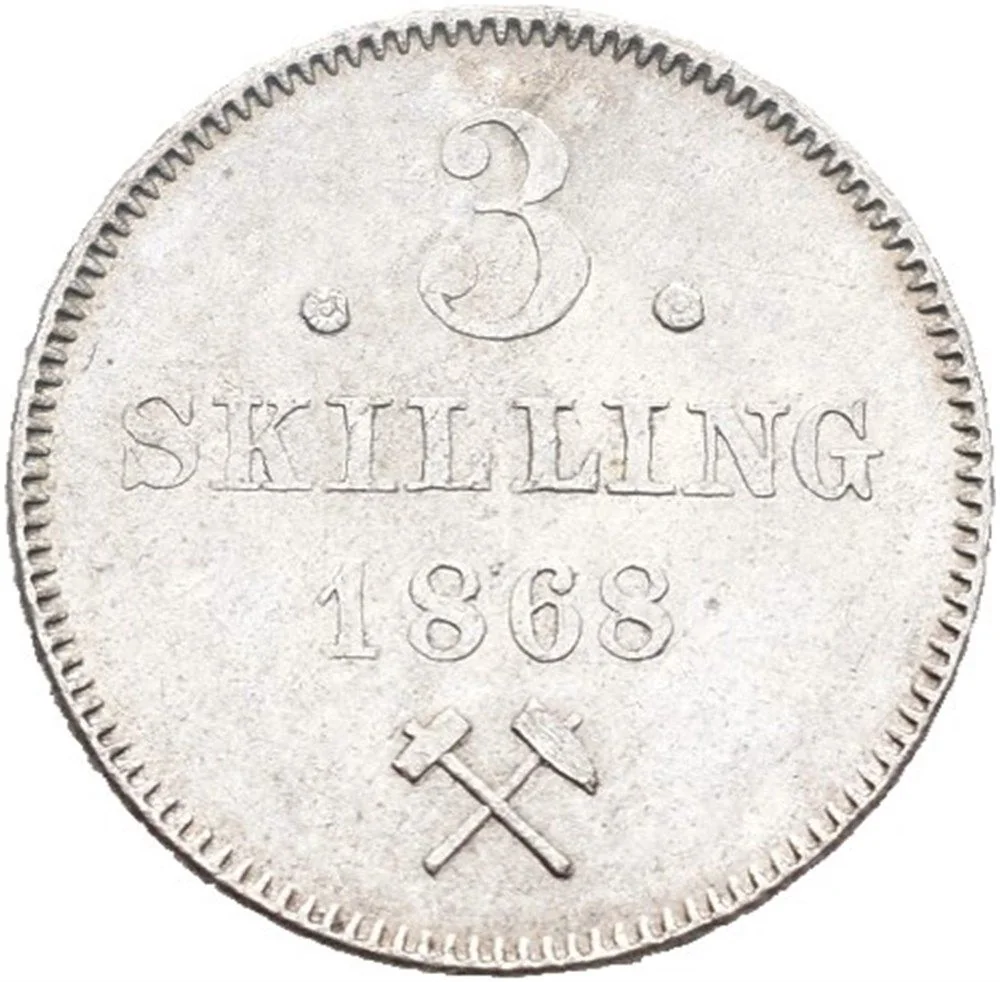
3 skilling – Norway
Add to wishlist
Norway
Context
Years: 1868–1869
Issuer: Norway
Ruler: Charles IV
Currency:
(1816—1875)
Demonetized: Yes
Total mintage: 602,000
Material
References
KM: #
Numista: #32232
Obverse
Reverse
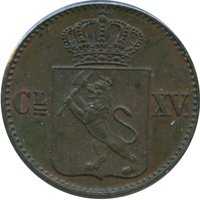
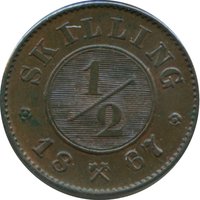
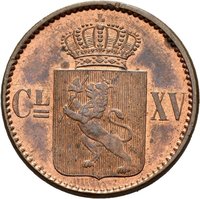
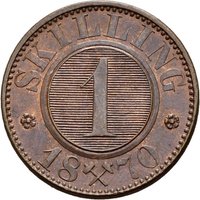
Description:
Value and date stacked.
Mintmark under date.
Toothed rim border.
Mintmark under date.
Toothed rim border.
Inscription:
🏵3🏵
SKILLING
1868
⚒
SKILLING
1868
⚒
Script: Latin
Edge
Plain
Mints
| Name | Mark |
|---|---|
| Norwegian Mint | — |
Mintings
| Year | Mint Mark | Mintage | Quality | Collection |
|---|---|---|---|---|
| 1868 | — | 498,900 | ||
| 1869 | — | 103,100 |
Historical background
In 1868, Norway’s currency situation was defined by its membership in the Scandinavian Monetary Union (SMU), established in 1873 with Denmark and Sweden. However, the groundwork for this union was being laid in the preceding years, driven by a pressing need for stability. Prior to this, Norway used the speciedaler, a silver-based currency that faced significant challenges due to fluctuating silver prices and complex exchange rates with neighboring countries, which complicated trade and economic planning. The period was one of transition, with strong political and economic arguments gaining traction for adopting a common gold standard with its Scandinavian partners to modernize the monetary system.
The debate in Norway centered on moving from a silver standard to a gold standard, aligning with the major European economic powers. Proponents argued that a stable, gold-backed currency (which would become the krone) was essential for international commerce, investment, and economic growth. The silver speciedaler was seen as increasingly outdated and vulnerable to devaluation. Meanwhile, the extensive use of paper notes issued by private banks, alongside government coins, created a heterogeneous and sometimes unreliable money supply, highlighting the need for a unified and state-controlled currency.
Therefore, the currency situation in 1868 was one of anticipation and reform. While the speciedaler remained the official unit, the financial and political elite were actively preparing for a fundamental shift. The decisive move to join the gold-based Scandinavian Monetary Union was just five years away, making 1868 a pivotal year where the old silver-based system was being critically assessed and the path toward a modern, stable, and integrated Nordic currency was being firmly charted.
The debate in Norway centered on moving from a silver standard to a gold standard, aligning with the major European economic powers. Proponents argued that a stable, gold-backed currency (which would become the krone) was essential for international commerce, investment, and economic growth. The silver speciedaler was seen as increasingly outdated and vulnerable to devaluation. Meanwhile, the extensive use of paper notes issued by private banks, alongside government coins, created a heterogeneous and sometimes unreliable money supply, highlighting the need for a unified and state-controlled currency.
Therefore, the currency situation in 1868 was one of anticipation and reform. While the speciedaler remained the official unit, the financial and political elite were actively preparing for a fundamental shift. The decisive move to join the gold-based Scandinavian Monetary Union was just five years away, making 1868 a pivotal year where the old silver-based system was being critically assessed and the path toward a modern, stable, and integrated Nordic currency was being firmly charted.
⭐ Somewhat Rare