

3 Tien – Empire of Vietnam
Vietnam
Context
Years: 1820–1841
Country: Vietnam 
Issuer: Empire of Vietnam
Ruler: Minh Mạng
Currency:
(1400—1945)
Demonetized: Yes
Material
References
Numista: #321702
Value
Bullion value: $38.61
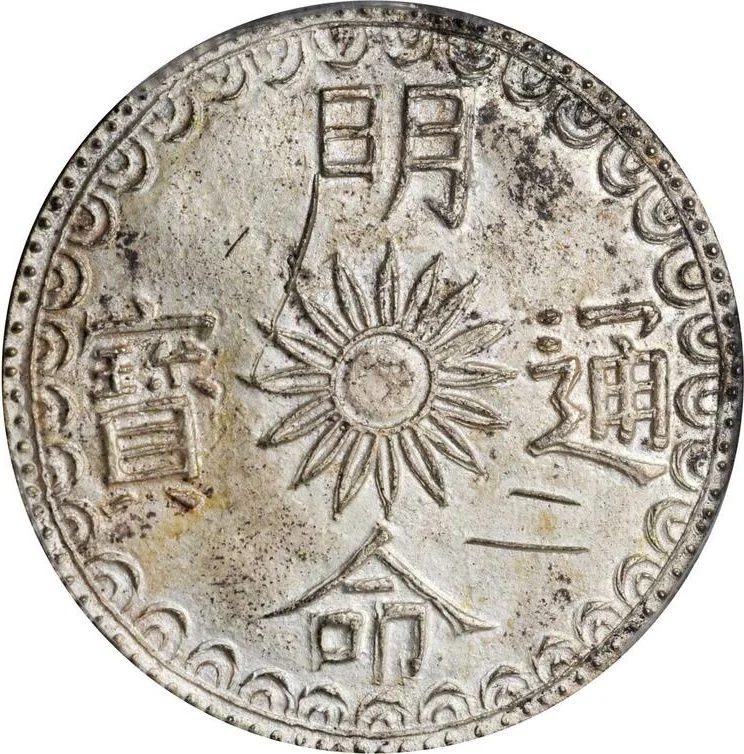
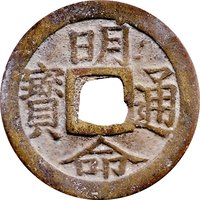
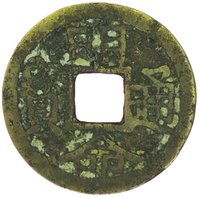
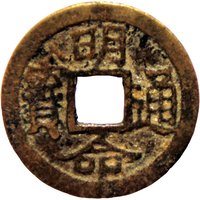
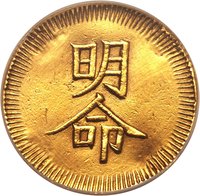
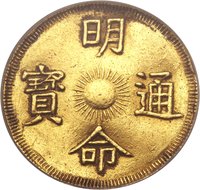
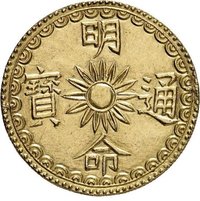
Obverse
Description:
Four Chinese characters read vertically, right to left, centered on the sun.
Inscription:
明
寛 通
命
寛 通
命
Translation:
Vastly Understanding
Mandate of Heaven
Mandate of Heaven
Scripts: Chinese (traditional, regular script)
Language: Classical Chinese
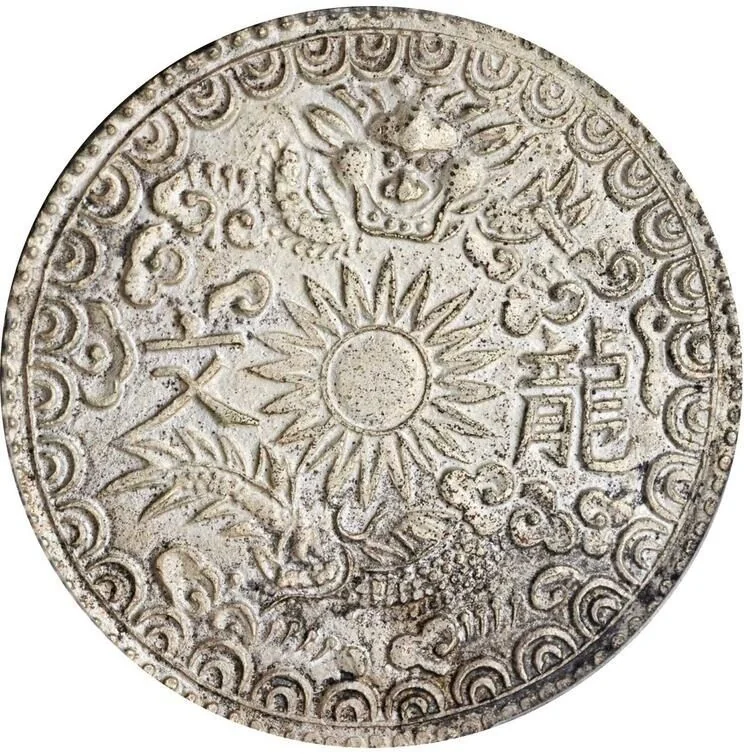
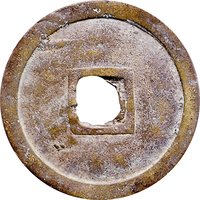
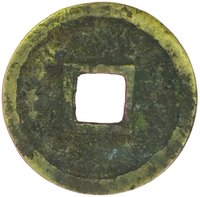
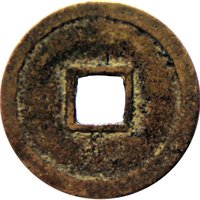
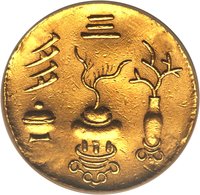
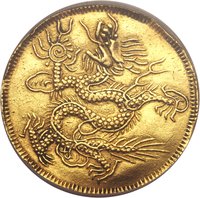
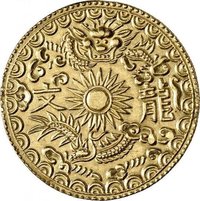
Reverse
Description:
Dragon facing forward, central sun, flanked by two Chinese ideograms.
Inscription:
文龍
Translation:
Civilized Dragon
Scripts: Chinese (traditional, regular script)
Language: Chinese
Edge
Mintings
| Year | Mint Mark | Mintage | Quality | Collection |
|---|---|---|---|---|
| — | — | — |
Historical background
In 1820, the currency situation within the Empire of Vietnam, under the rule of Emperor Minh Mạng, was characterized by a state-controlled but complex bimetallic system. The imperial court in Huế mandated the use of two primary forms of money: cast bronze or copper-alloy cash coins with a square hole (known as văn) and silver ingots. The cash coins, produced by official mints, were the everyday currency for commoners, strung together in units of 600 coins (a quan). For larger transactions, especially in trade and taxation, silver was the preferred standard, measured by weight in the tael (or lạng) and its fractions. The exchange rate between these metals was officially set by the court, but in practice, it could fluctuate based on regional scarcity and market conditions.
This system faced significant challenges. The production of standardized coinage was difficult to maintain across the empire, leading to occasional shortages of legitimate cash coins. This scarcity, combined with the inherent temptation for profit, spurred widespread counterfeiting, which undermined public trust in the currency. Furthermore, the economy remained substantially unmonetized in many rural areas, where barter and payment in kind (such as rice or cloth) for taxes and local trade were still common practices, limiting the central authority's economic reach.
Emperor Minh Mạng, who had just ascended the throne in 1820, inherited this system and would soon embark on significant monetary reforms to strengthen central authority. Within a few years, he would standardize coinage production more rigorously and, most notably, begin issuing machine-struck silver and copper coins to replace the old cast cash and irregular ingots. Therefore, the currency situation in 1820 represents a transitional period, resting on traditional bimetallic foundations but on the cusp of modernization under a determined monarch seeking greater economic control and uniformity.
This system faced significant challenges. The production of standardized coinage was difficult to maintain across the empire, leading to occasional shortages of legitimate cash coins. This scarcity, combined with the inherent temptation for profit, spurred widespread counterfeiting, which undermined public trust in the currency. Furthermore, the economy remained substantially unmonetized in many rural areas, where barter and payment in kind (such as rice or cloth) for taxes and local trade were still common practices, limiting the central authority's economic reach.
Emperor Minh Mạng, who had just ascended the throne in 1820, inherited this system and would soon embark on significant monetary reforms to strengthen central authority. Within a few years, he would standardize coinage production more rigorously and, most notably, begin issuing machine-struck silver and copper coins to replace the old cast cash and irregular ingots. Therefore, the currency situation in 1820 represents a transitional period, resting on traditional bimetallic foundations but on the cusp of modernization under a determined monarch seeking greater economic control and uniformity.
✨ Legendary