

1 real – Brazil
Add to wishlist
Brazil
Context
Year: 1994
Issuer: Brazil
Period:
(since 1967)
Currency:
(since 1994)
Demonetization: 23 December 2003
Total mintage: 215,000,000
Material
Diameter: 24 mm
Weight: 4.27 g
Thickness: 1.5 mm
Shape: Round
Composition: Stainless steel
Technique: Milled
Alignment: Coin alignment
flip
References
KM: #
Numista: #3198
Value
Exchange value: 1 BRL
Inflation-adjusted value: 220.09 BRL
Obverse
Description:
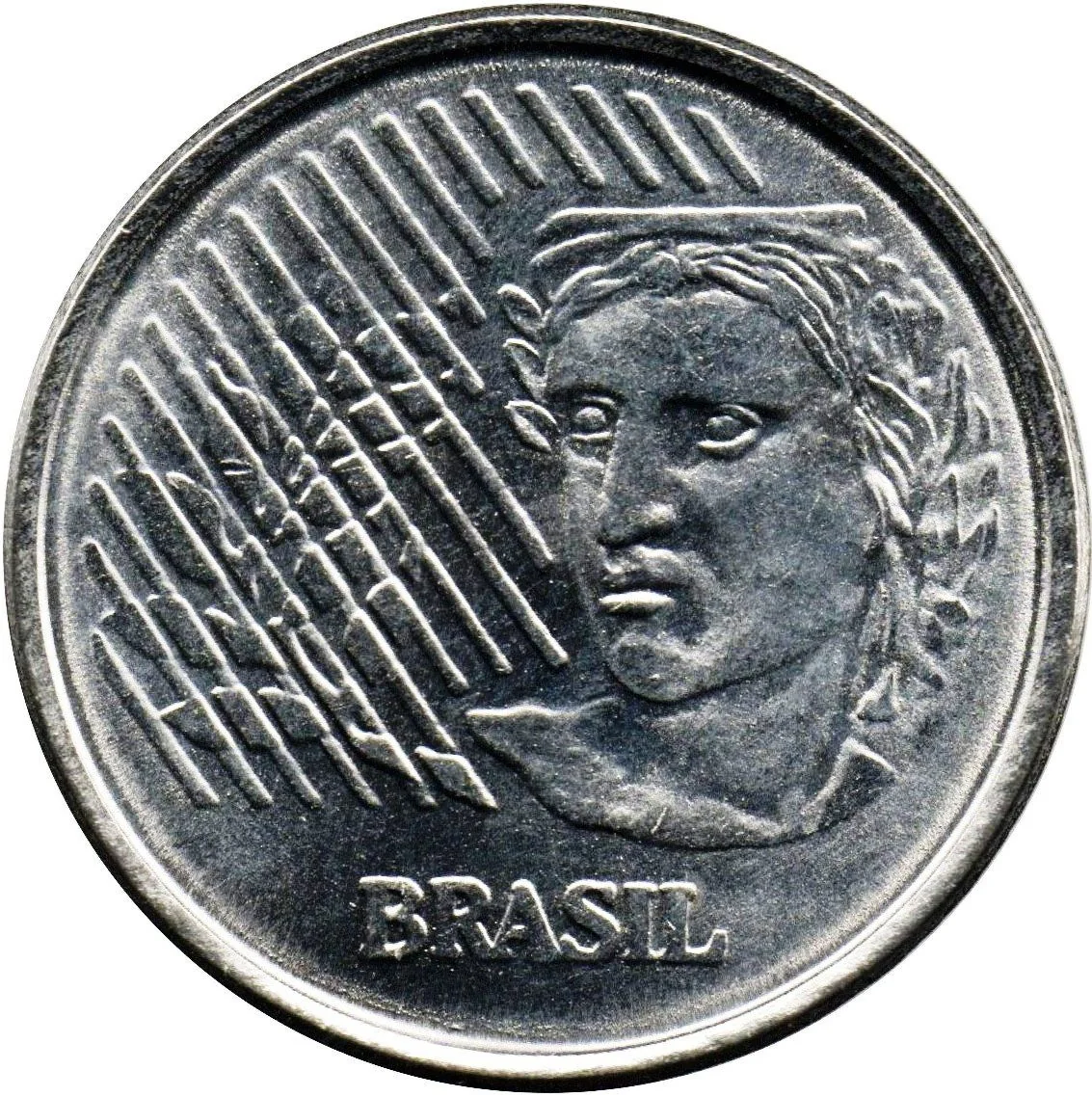
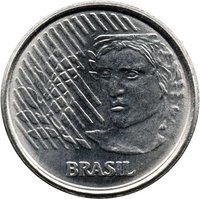
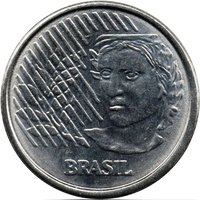
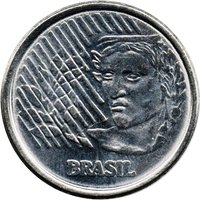
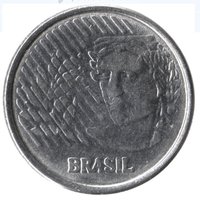
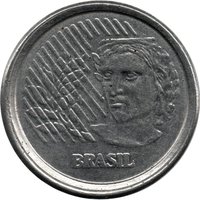
Laureate head left, flanked by laurel leaves, with country name below.
Inscription:
BRASIL
Translation:
BRASIL
Script: Latin
Language: Portuguese
Reverse
Description:
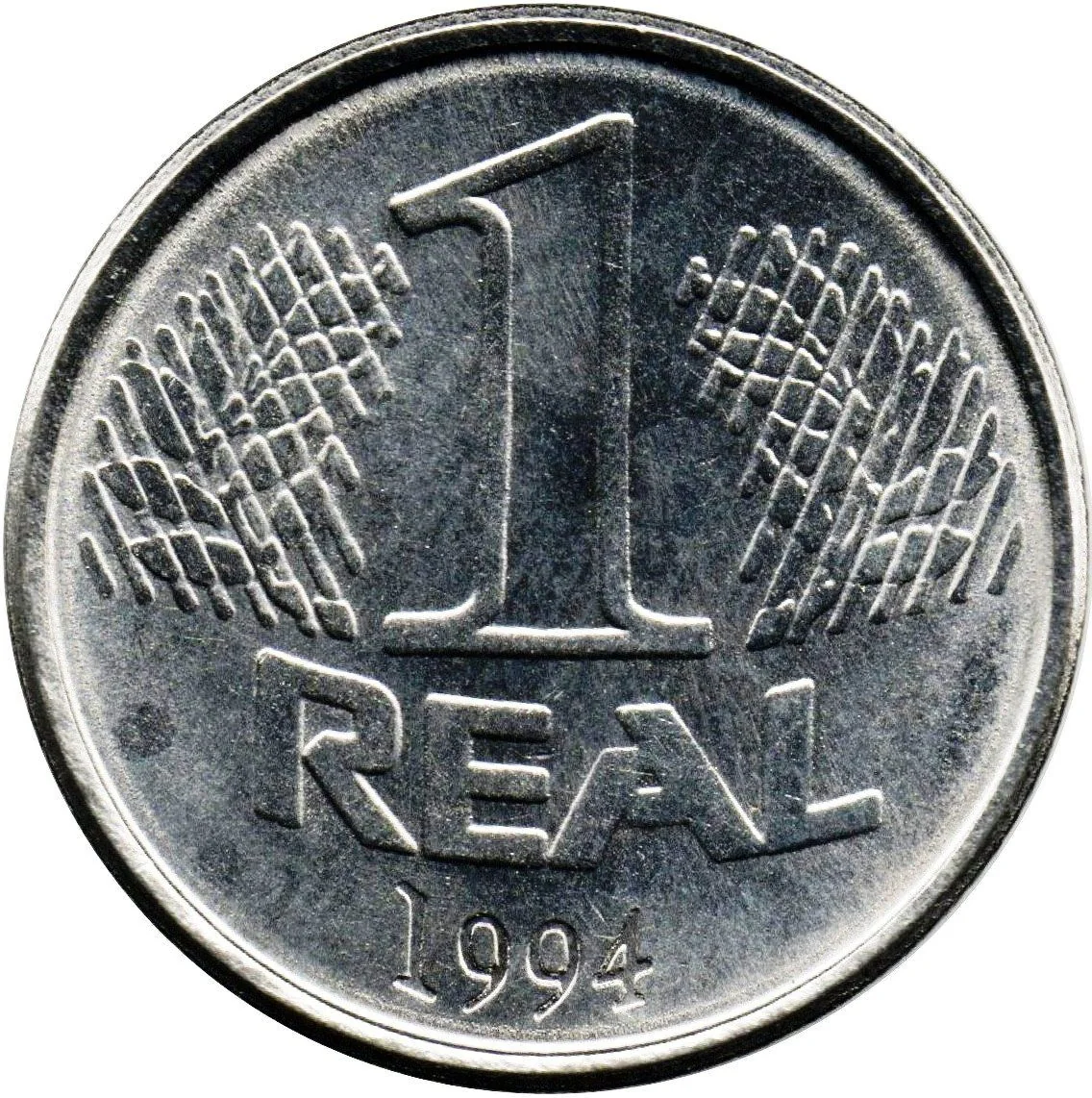
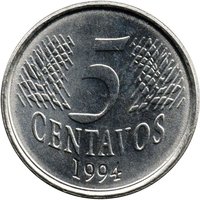
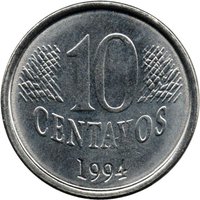
Denomination within laurel leaves above diagonal stripes, date below.
Inscription:
1
REAL
1994
REAL
1994
Script: Latin
Edge
Plain
Mints
| Name | Mark |
|---|---|
| Casa da Moeda do Brasil | — |
Mintings
| Year | Mint Mark | Mintage | Quality | Collection |
|---|---|---|---|---|
| 1994 | — | 215,000,000 |
Historical background
In 1994, Brazil was emerging from one of the most severe and prolonged periods of hyperinflation in modern economic history. For over a decade, successive economic plans had failed to stabilize prices, with annual inflation reaching a staggering 2,500% in 1993. This environment created immense social and economic distortion: prices changed multiple times per day, savings were eroded, and the currency (the cruzeiro) had become virtually meaningless as a unit of account. The government's previous attempts at stabilization, often involving price freezes and currency changes, had provided only temporary relief before inflation returned with even greater force, eroding public confidence.
The turning point arrived on July 1, 1994, with the launch of the Plano Real (Real Plan), masterminded by then-Finance Minister Fernando Henrique Cardoso. Unlike earlier shock treatments, this plan was a meticulously phased, multi-step process. It began in 1993 with the creation of a virtual unit of value, the Unidade Real de Valor (URV), which acted as a stable pricing index alongside the volatile cruzeiro. This allowed the economy to gradually re-anchor prices before the formal introduction of a new currency. On July 1st, the real (BRL) was officially launched, initially pegged at parity to the U.S. dollar, providing a clear and credible nominal anchor.
The immediate effect was dramatic. Monthly inflation, which had been around 50% in June 1994, plummeted to single digits within months. The plan successfully restored the currency's functions as a store of value and medium of exchange, bringing immediate relief to the population and laying the groundwork for sustained economic growth. The Real Plan's success propelled Cardoso to the presidency later that year and is widely credited with ushering in a new era of macroeconomic stability in Brazil, though the subsequent management of the dollar peg would present significant challenges in the years to follow.
The turning point arrived on July 1, 1994, with the launch of the Plano Real (Real Plan), masterminded by then-Finance Minister Fernando Henrique Cardoso. Unlike earlier shock treatments, this plan was a meticulously phased, multi-step process. It began in 1993 with the creation of a virtual unit of value, the Unidade Real de Valor (URV), which acted as a stable pricing index alongside the volatile cruzeiro. This allowed the economy to gradually re-anchor prices before the formal introduction of a new currency. On July 1st, the real (BRL) was officially launched, initially pegged at parity to the U.S. dollar, providing a clear and credible nominal anchor.
The immediate effect was dramatic. Monthly inflation, which had been around 50% in June 1994, plummeted to single digits within months. The plan successfully restored the currency's functions as a store of value and medium of exchange, bringing immediate relief to the population and laying the groundwork for sustained economic growth. The Real Plan's success propelled Cardoso to the presidency later that year and is widely credited with ushering in a new era of macroeconomic stability in Brazil, though the subsequent management of the dollar peg would present significant challenges in the years to follow.
Series: 1994 Brazil circulation coins
🌱 Very Common