

200 lire – San Marino
Add to wishlist
San Marino
Context
Year: 1978
Issuer: San Marino
Period:
(since 301)
Currency:
(1864—2001)
Demonetization: 1 March 2002
Total mintage: 400,000
Material
Diameter: 24 mm
Weight: 5 g
Shape: Round
Composition: Aluminium bronze
Magnetic: No
Technique: Milled
Alignment: Coin alignment
flip
References
KM: #
Numista: #13682
Value
Exchange value: 200 SML
Obverse
Description:
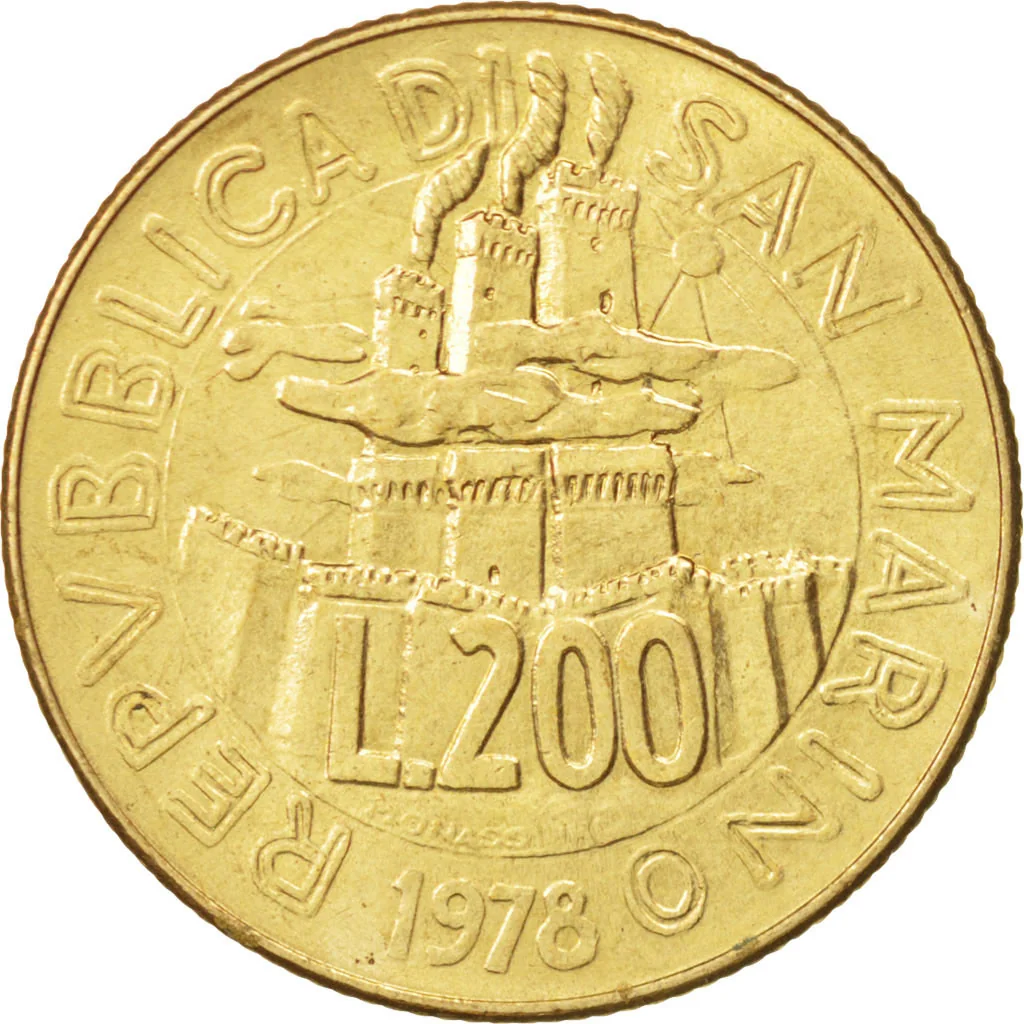
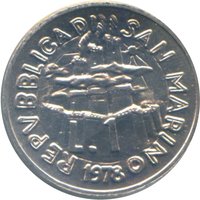
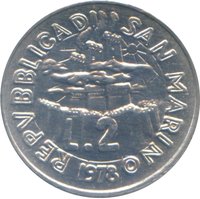
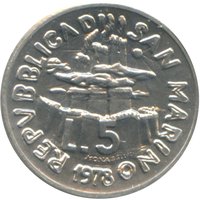
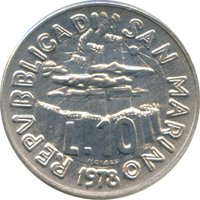
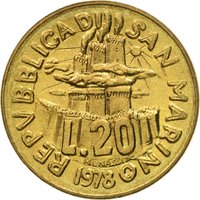
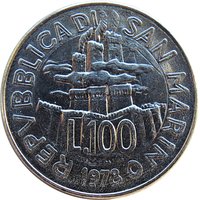
San Marino's coat of arms with walls and value below.
Inscription:
REPVBBLICA DI SAN MARINO
L.200
MONASSI. INC.
1978
L.200
MONASSI. INC.
1978
Script: Latin
Engraver: Guerrino Mattia Monassi
Reverse
Description:
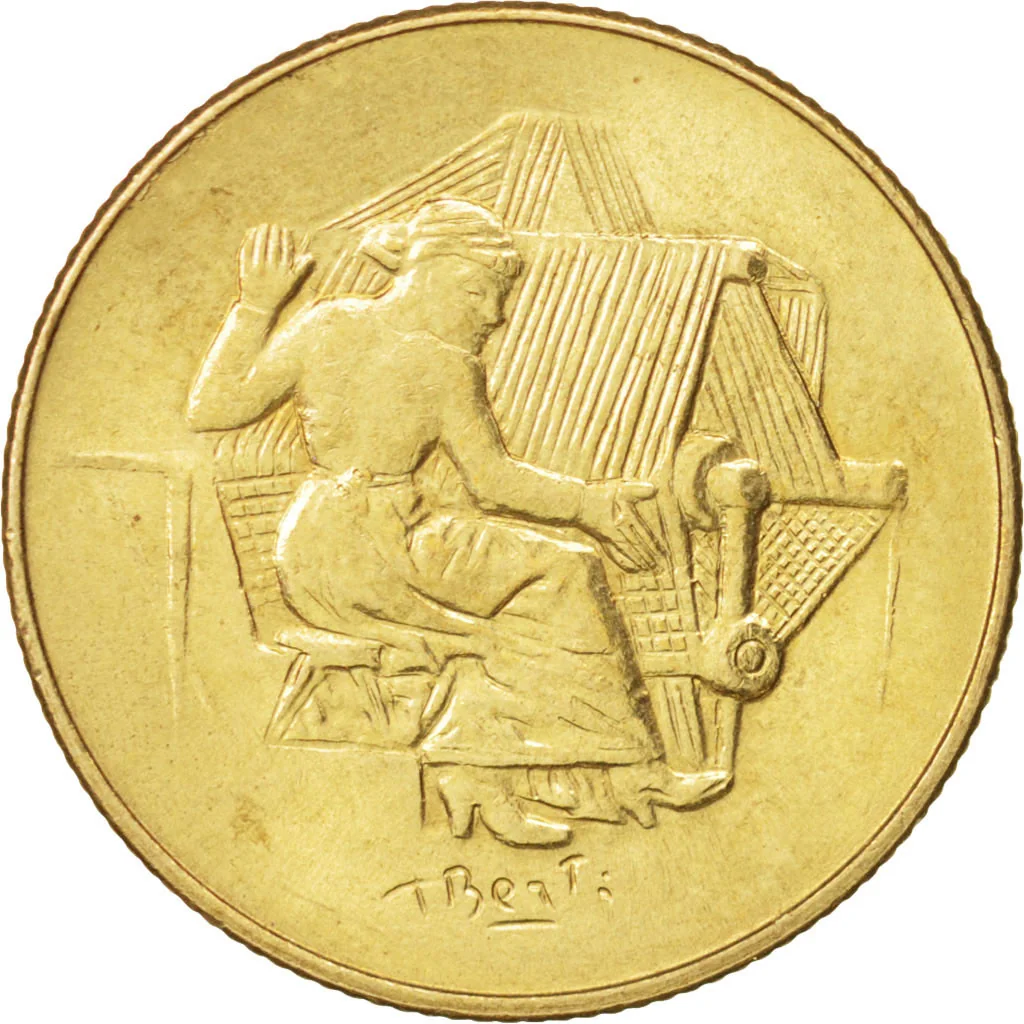
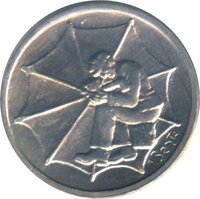
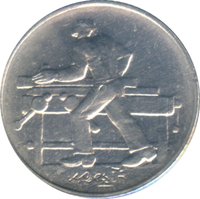
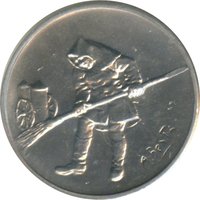
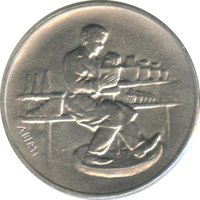
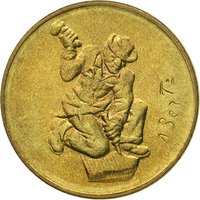
Weaver at her loom.
Edge
Milled
Categories
| Building> Castle or fortification |
| Symbol> Allegory |
Mints
| Name | Mark |
|---|---|
| Rome | — |
Mintings
| Year | Mint Mark | Mintage | Quality | Collection |
|---|---|---|---|---|
| 1978 | — | 400,000 |
Historical background
In 1978, San Marino's currency situation was intrinsically linked to that of Italy, operating under a formal monetary convention that had been renewed and updated over decades. The Republic used the Italian Lira as its official legal tender, while also issuing its own distinct Sammarinese Lira coins at par with the Italian currency. These special coins, minted in limited quantities and featuring national symbols, were primarily intended for collectors and ceremonial purposes rather than everyday circulation, as Italian banknotes and coins dominated commercial transactions. This arrangement provided San Marino with monetary stability and seamless economic integration with its much larger neighbor, which entirely surrounded it.
The year fell within a turbulent period for the Italian Lira, which directly impacted San Marino. Italy was experiencing high inflation and significant political instability in the late 1970s, leading to frequent devaluations within the European "Snake" exchange rate mechanism. Consequently, the Sammarinese Lira, being pegged at 1:1, mirrored this weakness on the international stage. This passive dependence meant San Marino had no independent monetary policy to counteract the inflationary pressures or currency depreciation imported from Italy, a key vulnerability of the arrangement.
Despite these external pressures, the 1978 system functioned smoothly in practice due to the deep economic and banking integration between the two countries. Italian banknotes circulated freely, and Sammarinese banks operated within the Italian financial system. The bilateral agreements ensured that Sammarinese coinage was recognized by the Italian state, allowing for their use in both nations. Thus, while lacking a central bank or its own paper currency, San Marino maintained a stable and functional monetary system, albeit one entirely subject to the economic fortunes and policies of the Italian Republic.
The year fell within a turbulent period for the Italian Lira, which directly impacted San Marino. Italy was experiencing high inflation and significant political instability in the late 1970s, leading to frequent devaluations within the European "Snake" exchange rate mechanism. Consequently, the Sammarinese Lira, being pegged at 1:1, mirrored this weakness on the international stage. This passive dependence meant San Marino had no independent monetary policy to counteract the inflationary pressures or currency depreciation imported from Italy, a key vulnerability of the arrangement.
Despite these external pressures, the 1978 system functioned smoothly in practice due to the deep economic and banking integration between the two countries. Italian banknotes circulated freely, and Sammarinese banks operated within the Italian financial system. The bilateral agreements ensured that Sammarinese coinage was recognized by the Italian state, allowing for their use in both nations. Thus, while lacking a central bank or its own paper currency, San Marino maintained a stable and functional monetary system, albeit one entirely subject to the economic fortunes and policies of the Italian Republic.
Series: Work Life
🌱 Common