

2 Pe – Cambodia
Cambodia

Obverse
Description:
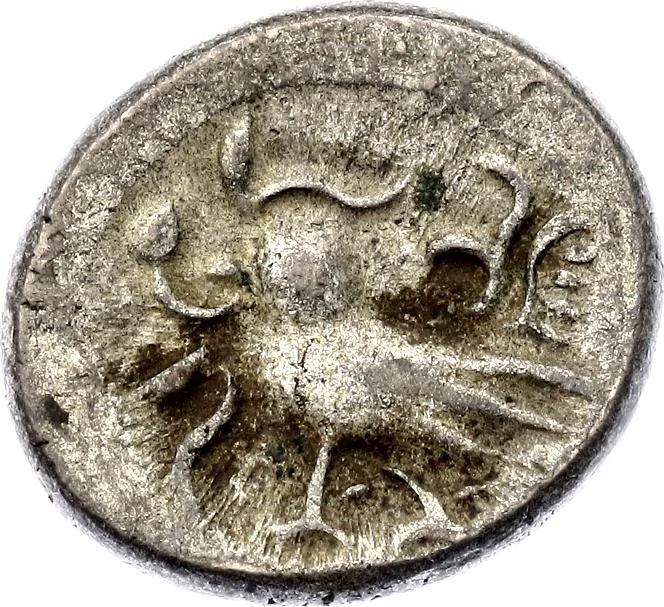
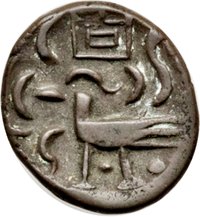
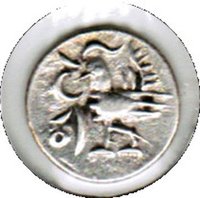
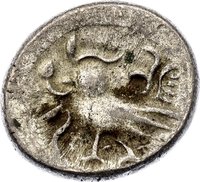
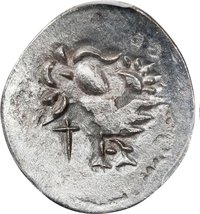
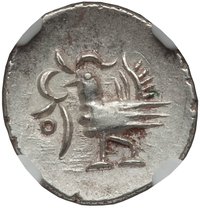
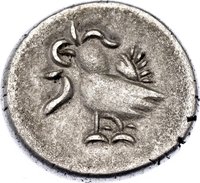
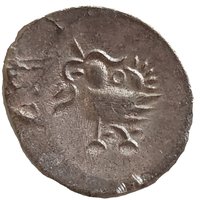
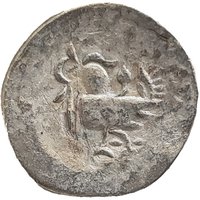
Round, dished flan. Fine-style left-facing Hamsa with horizontal and vertical crest, single beak. Vine with bud and branch before. Upper tail: curved, branched fore feather; curved back feather with five horizontal elements. Detailed body.
Reverse
Description:
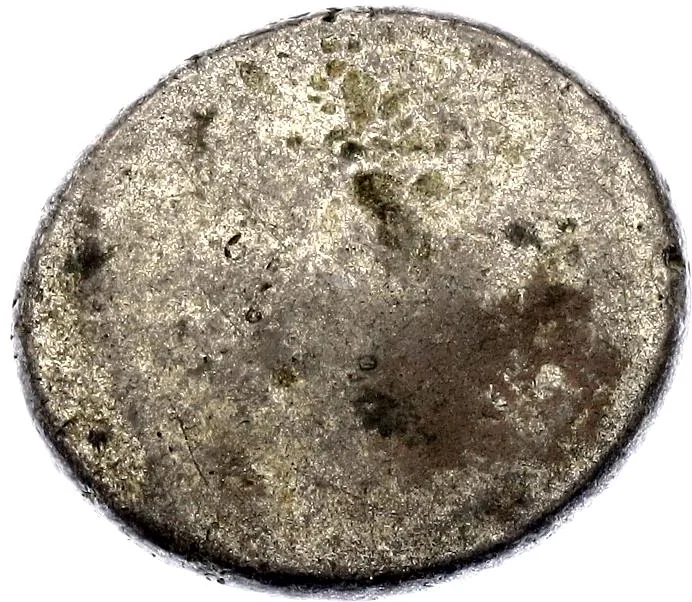
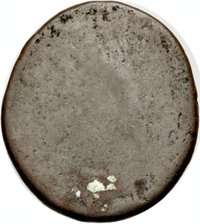
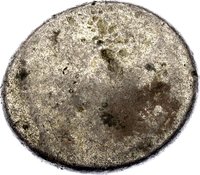
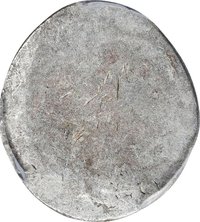
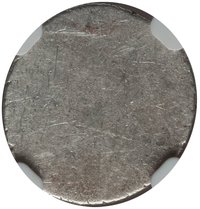
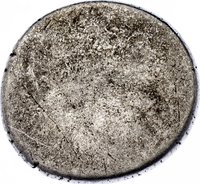
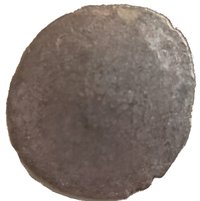
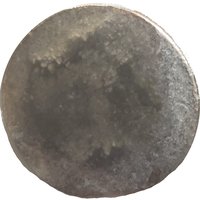
Unifaced, with possible anvil marks on the blank.
Edge
Mintings
| Year | Mint Mark | Mintage | Quality | Collection |
|---|---|---|---|---|
| — | — | — |
Historical background
In 1847, Cambodia existed under a complex and overlapping system of monetary circulation, reflecting its precarious position as a dual vassal state to both Siam (Thailand) and Vietnam. The kingdom had no unified national currency of its own. Instead, its economy operated on a multi-currency standard dominated by foreign silver coins, particularly the Mexican 8 Reales (Spanish Dollar) and its fractional parts, which had become the de facto trade currency of maritime Southeast Asia. These coins circulated alongside a variety of other silver and copper coins from neighboring regions, including Siamese baht and fuang, and Vietnamese zinc sapèque coins, valued by weight and purity rather than face value.
The political subjugation to both Bangkok and Hue directly influenced the monetary landscape. Tributary obligations required payments in specific forms: Siam typically demanded gold and silver in bulk (often in the form of tical bars), while Vietnam required payments in its own minted zinc sapèques. This drained precious metal from the Cambodian economy and institutionalized the use of Vietnamese coinage in eastern provinces under greater Hue influence. The circulation was highly localized and inconsistent; barter remained widespread in rural areas, while major trade nodes like Phnom Penh and the Mekong River ports saw greater use of silver bullion and foreign coinage for larger transactions.
This fragmented monetary situation created significant challenges for day-to commerce. Exchange rates between the various silver coins, copper issues, and zinc sapèques fluctuated, and their values were often assessed by local money changers who cut or stamped the coins to verify purity. The lack of a central minting authority meant Cambodia’s economy was subject to the monetary policies and metal supplies of its powerful neighbors and foreign traders, hindering internal economic integration and symbolizing the kingdom’s loss of sovereignty during this period of intense Siamese and Vietnamese rivalry over the Cambodian court.
The political subjugation to both Bangkok and Hue directly influenced the monetary landscape. Tributary obligations required payments in specific forms: Siam typically demanded gold and silver in bulk (often in the form of tical bars), while Vietnam required payments in its own minted zinc sapèques. This drained precious metal from the Cambodian economy and institutionalized the use of Vietnamese coinage in eastern provinces under greater Hue influence. The circulation was highly localized and inconsistent; barter remained widespread in rural areas, while major trade nodes like Phnom Penh and the Mekong River ports saw greater use of silver bullion and foreign coinage for larger transactions.
This fragmented monetary situation created significant challenges for day-to commerce. Exchange rates between the various silver coins, copper issues, and zinc sapèques fluctuated, and their values were often assessed by local money changers who cut or stamped the coins to verify purity. The lack of a central minting authority meant Cambodia’s economy was subject to the monetary policies and metal supplies of its powerful neighbors and foreign traders, hindering internal economic integration and symbolizing the kingdom’s loss of sovereignty during this period of intense Siamese and Vietnamese rivalry over the Cambodian court.
Series: 1847 Cambodia circulation coins

💎 Extremely Rare