

25 Cents – Eastern Caribbean States
Context
Years: 2010–2022
Issuer: Eastern Caribbean States
Issuing organization: Eastern Caribbean Central Bank
Ruler: Elizabeth II
Currency:
(since 1965)
Material
References
KM: #Click to copy to clipboard38a
Numista: #31887
Value
Exchange value: 0.25 XCD
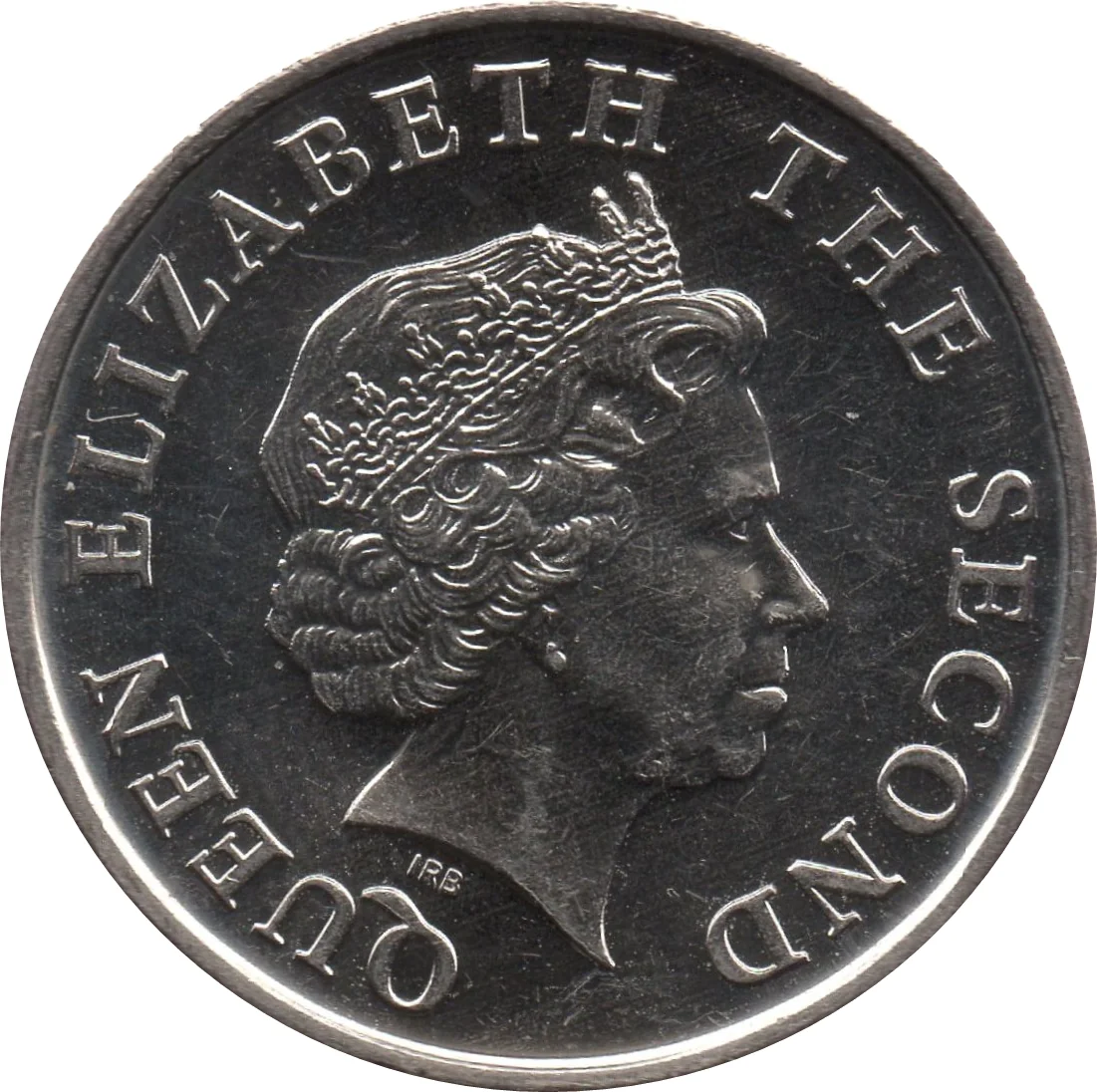
Obverse
Description:
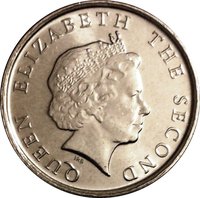
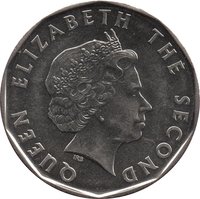
Portrait of Queen Elizabeth II in profile.
Inscription:
QUEEN ELIZABETH THE SECOND
IRB
IRB
Script: Latin
Engraver: Ian Rank-Broadley
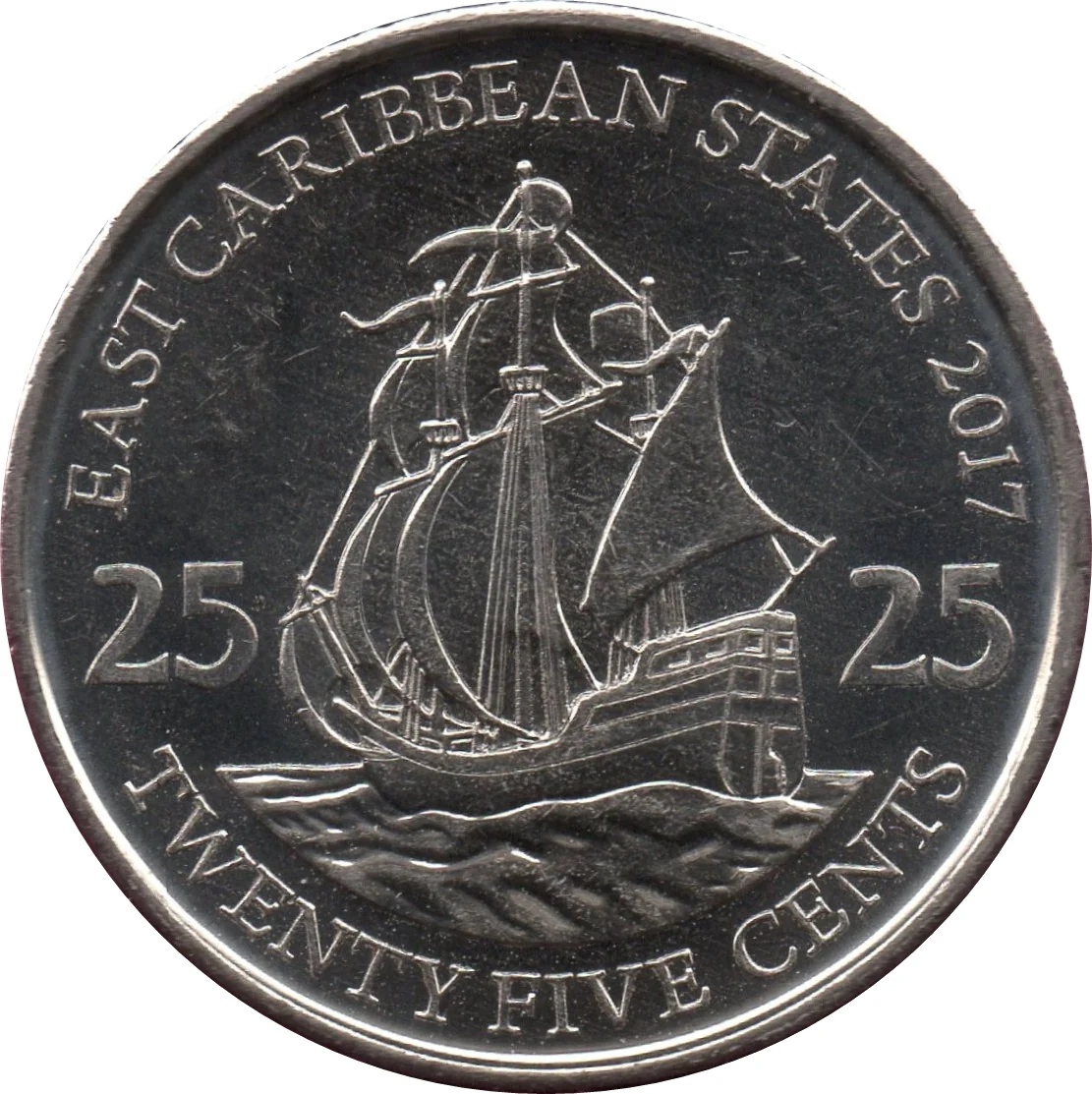
Reverse
Description:
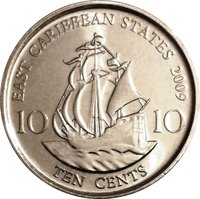
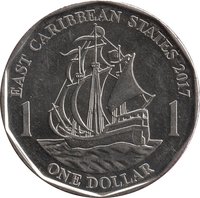
"Golden Hind," ship of Sir Francis Drake (1542-1596), English corsair and explorer. Denomination at sides in numerals, below in letters.
Inscription:
EAST CARIBBEAN STATES 2017
25 25
TWENTY FIVE CENTS
25 25
TWENTY FIVE CENTS
Script: Latin
Engraver: Thomas Humphrey Paget
Edge
Reeded
Categories
| Transportation> Watercraft |
Mints
| Name | Mark |
|---|---|
| Royal Canadian Mint of Winnipeg | — |
Mintings
| Year | Mint Mark | Mintage | Quality | Collection |
|---|---|---|---|---|
| 2010 | — | — | ||
| 2016 | — | — | ||
| 2017 | — | — | ||
| 2020 | — | — | ||
| 2022 | — | — |
Historical background
The Eastern Caribbean Currency Union (ECCU) maintained a stable and resilient monetary framework throughout 2010, anchored by the Eastern Caribbean Central Bank (ECCB) and the fixed exchange rate of the Eastern Caribbean dollar (EC$). The currency was, and remains, pegged at EC$2.70 to US$1.00, a regime in place since 1976. This peg provided a crucial anchor for price stability and investor confidence across the eight member states, which was particularly vital in the aftermath of the 2008-2009 global financial crisis. The ECCB's primary focus was on safeguarding this arrangement, holding foreign reserves well above the statutory minimum requirement of 60% of demand liabilities, which bolstered the credibility of the fixed parity.
However, the region's economies faced significant headwinds in 2010 as they grappled with the lingering effects of the global recession. Key economic drivers, particularly tourism and related construction activity, experienced a slow and uneven recovery, constraining economic growth and government revenues. This context created underlying fiscal pressures for individual member governments, highlighting a tension between the strong, union-wide monetary policy and the varying fiscal performances of independent national governments. Public debt levels across the ECCU were notably high, averaging over 100% of GDP, posing a medium-term challenge to the currency union's stability.
Consequently, the policy dialogue in 2010 centered on strengthening the architecture of the currency union. The ECCB continued to advocate for and monitor progress under its Eight Point Stabilization and Growth Program, introduced in the wake of the crisis. This program emphasized fiscal consolidation, debt management, and structural reforms to enhance competitiveness. The overall currency situation was thus characterized by a stable exchange rate externally, but internal economic vulnerabilities that required coordinated fiscal discipline to ensure the long-term sustainability of the fixed peg and the monetary union itself.
However, the region's economies faced significant headwinds in 2010 as they grappled with the lingering effects of the global recession. Key economic drivers, particularly tourism and related construction activity, experienced a slow and uneven recovery, constraining economic growth and government revenues. This context created underlying fiscal pressures for individual member governments, highlighting a tension between the strong, union-wide monetary policy and the varying fiscal performances of independent national governments. Public debt levels across the ECCU were notably high, averaging over 100% of GDP, posing a medium-term challenge to the currency union's stability.
Consequently, the policy dialogue in 2010 centered on strengthening the architecture of the currency union. The ECCB continued to advocate for and monitor progress under its Eight Point Stabilization and Growth Program, introduced in the wake of the crisis. This program emphasized fiscal consolidation, debt management, and structural reforms to enhance competitiveness. The overall currency situation was thus characterized by a stable exchange rate externally, but internal economic vulnerabilities that required coordinated fiscal discipline to ensure the long-term sustainability of the fixed peg and the monetary union itself.
🌱 Very Common