

1 Cash – South Xinjiang
China
Context
Years: 1825–1850
Country: China 
Issuer: South Xinjiang
Ruler: Daoguang
Currency:
(1759—1909)
Demonetized: Yes
Material
Diameter: 25 mm
Weight: 4.53 g
Shape: Round with a square hole
Composition: Copper
Magnetic: No
Technique: Cast
Alignment: Medal alignment
flip
References
Numista: #317822
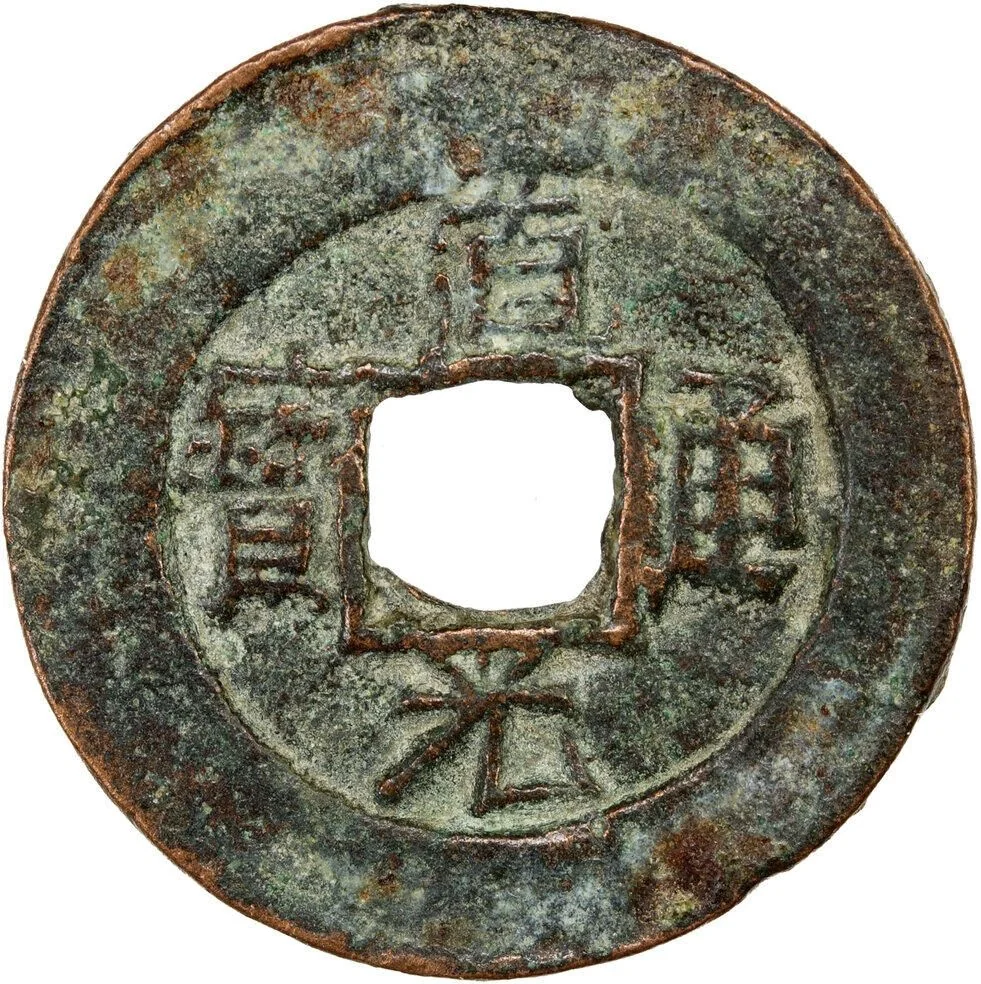
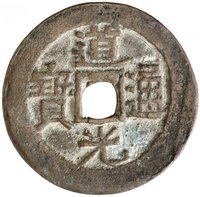
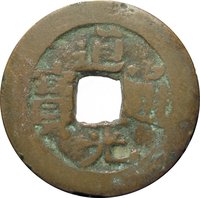
Obverse
Description:
Four Chinese characters read vertically, right to left.
Inscription:
道
寶 通
光
寶 通
光
Translation:
Daoguang
Tongbao
Tongbao
Scripts: Chinese (traditional, regular script)
Language: Chinese
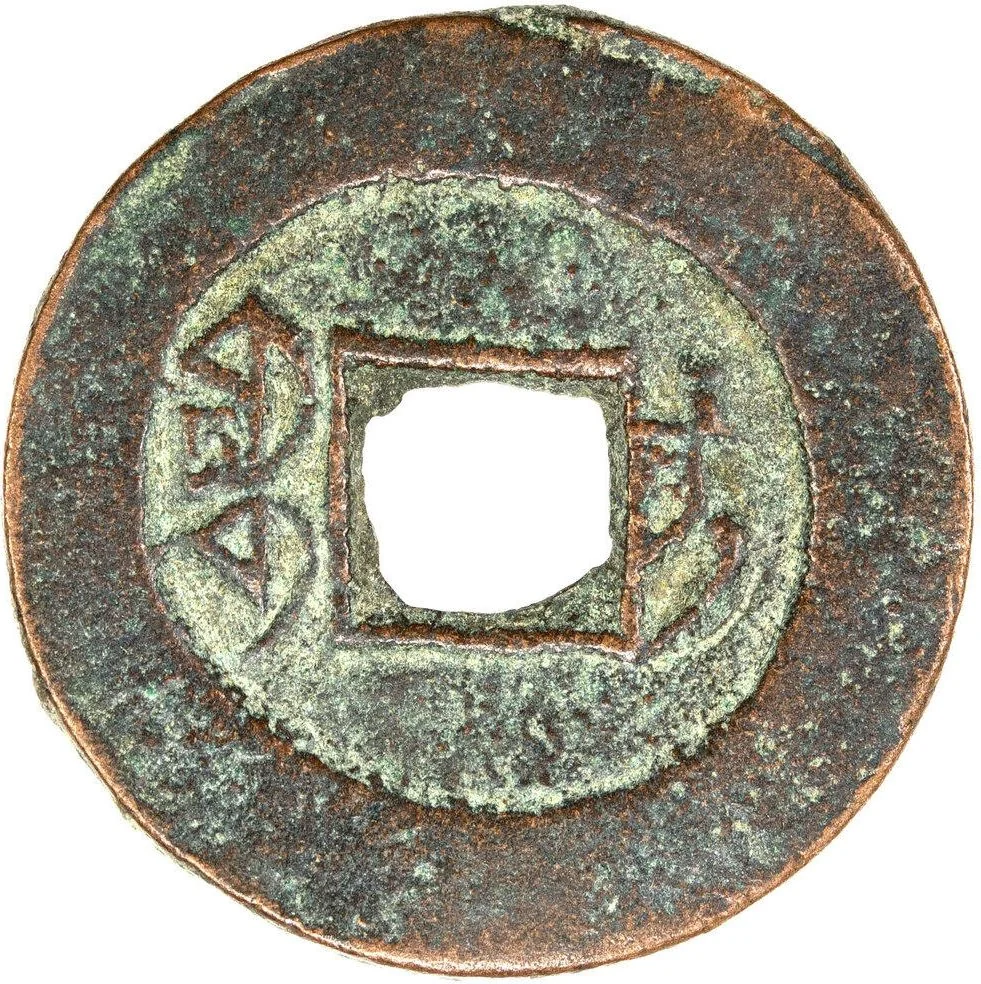
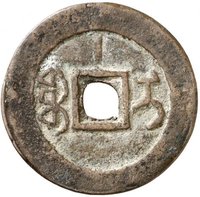
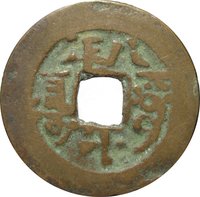
Reverse
Description:
Two Manchu words flank the hole.
Inscription:
ᠪᠣᠣ ᡳ
Translation:
Boo i
Script: Mongolian / Manchu
Language: Manchu
Edge
Plain
Mintings
| Year | Mint Mark | Mintage | Quality | Collection |
|---|---|---|---|---|
| — | — | — |
Historical background
In 1825, the currency situation in the Tarim Basin (often referred to as Southern Xinjiang or Altishahr) was a complex and unstable system, directly reflecting the region's contested political status. The area was nominally under the control of the Qing Dynasty, which had reconquered it from the Khojas decades earlier, but local power was effectively exercised through a network of Qing-appointed begs (local officials) and the presence of garrison troops. The official currency was the Qing silver tael, cast into large, irregular "horse-hoof" or "shoe" ingots (yuanbao), which were used for major transactions, official salaries, and tax payments. However, this high-value silver was impractical for daily use.
The everyday monetary sphere was dominated by the pul, a small copper coin that was the workhorse of local bazaars. The critical problem was that these coins were not standardized. They were minted in several cities (like Yarkand and Aksu) under loose Qing supervision, and their weight, purity, and exchange rate against silver fluctuated wildly based on the whims of local authorities and the availability of copper. Furthermore, vast quantities of older, debased pules from the earlier Khoja and Junghar periods remained in circulation, creating a confusing and easily manipulated multi-tiered currency environment.
This monetary fragmentation fueled corruption, hindered trade, and created economic hardship for common people. Local begs often manipulated minting for personal profit, while merchants and taxpayers faced constant uncertainty. The unstable currency was a symptom of the Qing's "loose rein" policy in the region—maintaining military and political control without fully integrating the local economy. It created a fragile foundation that would contribute to the severe social unrest and the large-scale Khoja invasions led by Jahangir Khoja, which erupted just a few years later in the 1830s.
The everyday monetary sphere was dominated by the pul, a small copper coin that was the workhorse of local bazaars. The critical problem was that these coins were not standardized. They were minted in several cities (like Yarkand and Aksu) under loose Qing supervision, and their weight, purity, and exchange rate against silver fluctuated wildly based on the whims of local authorities and the availability of copper. Furthermore, vast quantities of older, debased pules from the earlier Khoja and Junghar periods remained in circulation, creating a confusing and easily manipulated multi-tiered currency environment.
This monetary fragmentation fueled corruption, hindered trade, and created economic hardship for common people. Local begs often manipulated minting for personal profit, while merchants and taxpayers faced constant uncertainty. The unstable currency was a symptom of the Qing's "loose rein" policy in the region—maintaining military and political control without fully integrating the local economy. It created a fragile foundation that would contribute to the severe social unrest and the large-scale Khoja invasions led by Jahangir Khoja, which erupted just a few years later in the 1830s.
✨ Legendary