

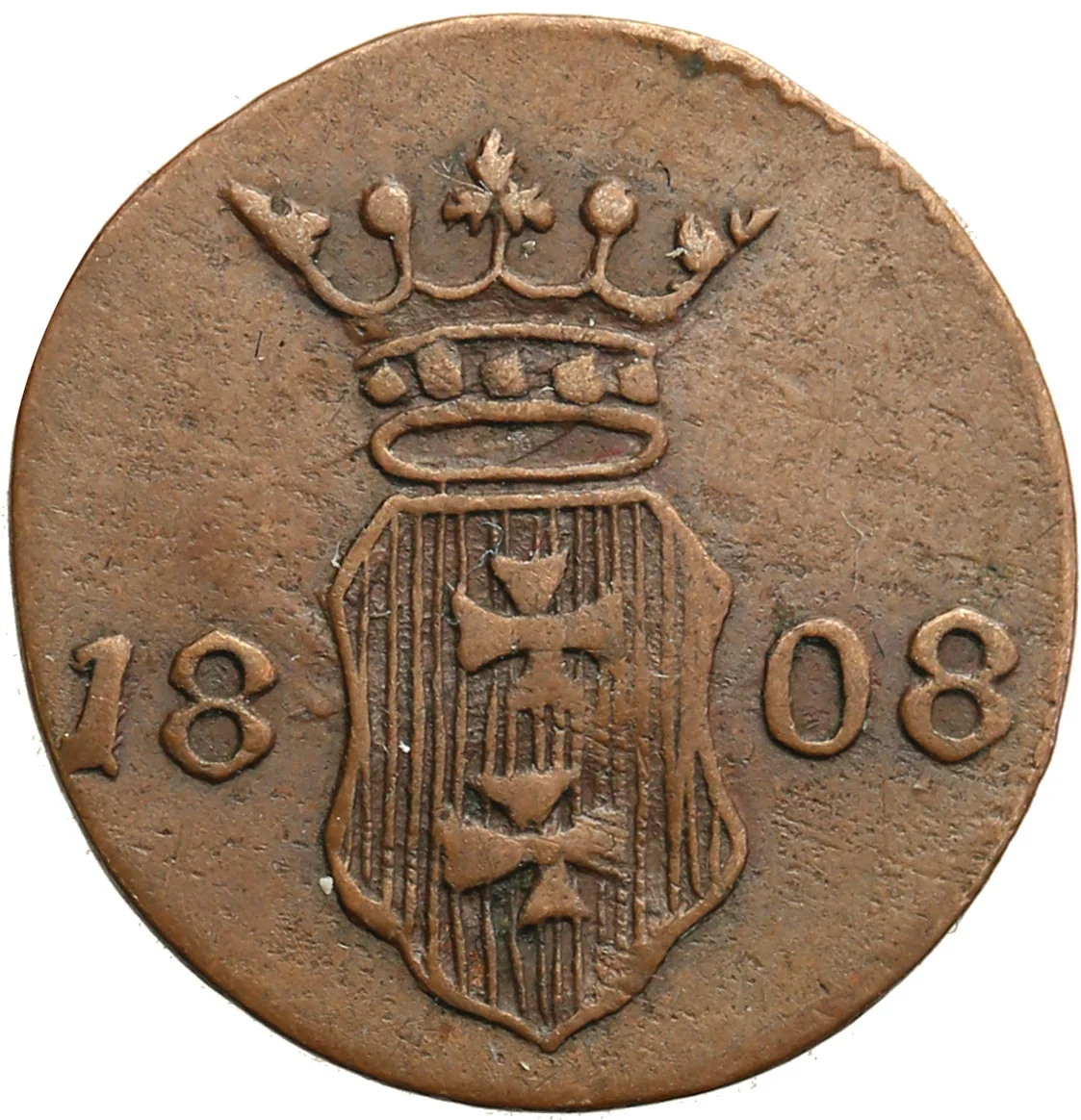
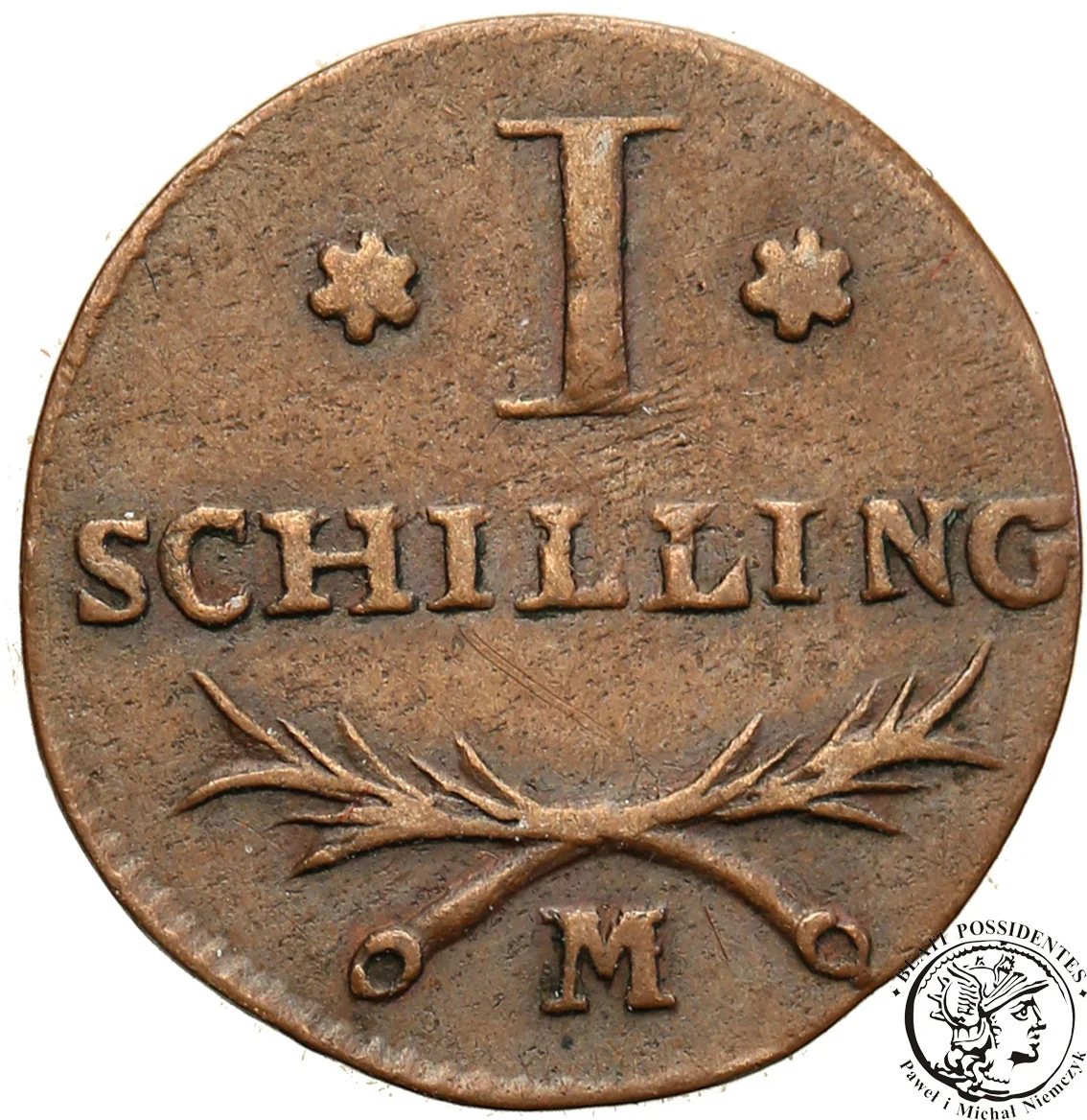
1 Schilling – Republic of Danzig
Poland
Context
Years: 1808–1812
Country: Poland 
Issuer: Republic of Danzig
Period:
(1807—1814)
Currency:
Demonetized: Yes
Total mintage: 1,170,000
Material
References
KM: #Click to copy to clipboard136
Numista: #31757
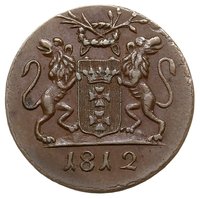
Obverse
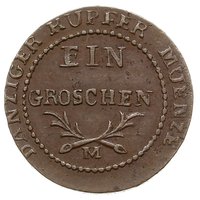
Reverse
Edge
Plain
Categories
| Symbols> Coat of Arms |
Mints
| Name | Mark |
|---|---|
| Gdańsk | — |
Mintings
| Year | Mint Mark | Mintage | Quality | Collection |
|---|---|---|---|---|
| 1808 | M | — | ||
| 1812 | M | 1,170,000 |
Historical background
Between 1807 and 1814, the Free City of Danzig existed as a semi-independent city-state under French protection, a consequence of the Treaties of Tilsit. Its currency situation in 1808 was defined by transition, instability, and the heavy influence of Napoleonic France. The city's finances were strained by the demands of hosting a large French garrison and contributing to the Continental System, the blockade against Britain. This economic pressure, combined with the need to assert its new political identity, created an urgent need for a distinct monetary system.
Officially, the city introduced its own currency, the Danzig Gulden, subdivided into 30 Groschen or 300 Pfennige. However, this new coinage existed alongside a chaotic circulation of older and foreign currencies. Pre-1807 Prussian coins (the previous ruling power) remained in widespread use, while French francs and Dutch guilders also circulated due to trade and the French military presence. This multiplicity of coins, each with fluctuating values, complicated commerce and highlighted the state's fragile sovereignty.
Ultimately, the currency situation in 1808 Danzig was more theoretical than stable. While the minting of Danzig Gulden began that year, the volume was insufficient to displace other currencies. The system was fundamentally unstable, underpinned by French-imposed war contributions that drained the city's silver reserves. Therefore, the monetary landscape was a symbolic effort at autonomy, yet in practice it was a dysfunctional and inflationary mix of currencies, reflecting the city's precarious position as a pawn in the wider Napoleonic Wars.
Officially, the city introduced its own currency, the Danzig Gulden, subdivided into 30 Groschen or 300 Pfennige. However, this new coinage existed alongside a chaotic circulation of older and foreign currencies. Pre-1807 Prussian coins (the previous ruling power) remained in widespread use, while French francs and Dutch guilders also circulated due to trade and the French military presence. This multiplicity of coins, each with fluctuating values, complicated commerce and highlighted the state's fragile sovereignty.
Ultimately, the currency situation in 1808 Danzig was more theoretical than stable. While the minting of Danzig Gulden began that year, the volume was insufficient to displace other currencies. The system was fundamentally unstable, underpinned by French-imposed war contributions that drained the city's silver reserves. Therefore, the monetary landscape was a symbolic effort at autonomy, yet in practice it was a dysfunctional and inflationary mix of currencies, reflecting the city's precarious position as a pawn in the wider Napoleonic Wars.
💎 Extremely Rare