

Peru
Material
References
KM: #Click to copy to clipboard187.1a
Numista: #31596
Value
Exchange value: 0.01 PEH
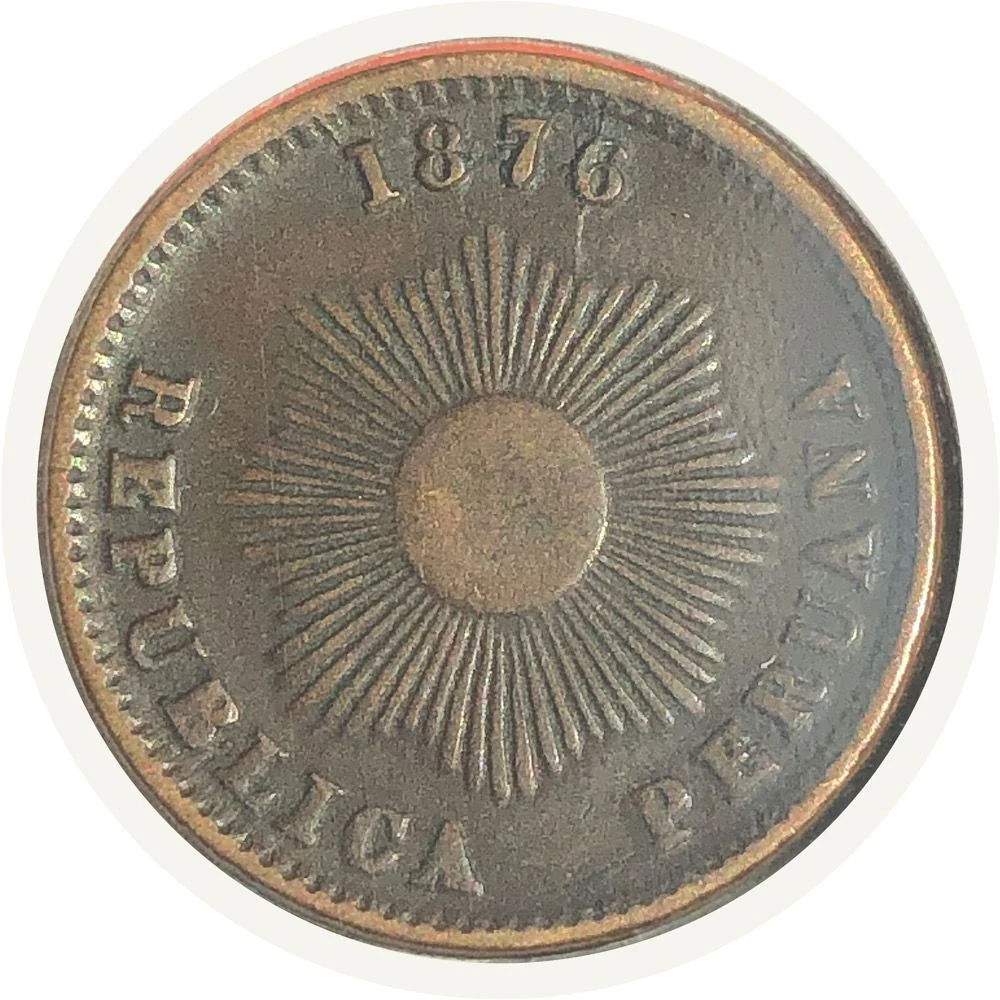
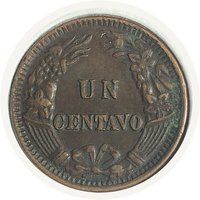
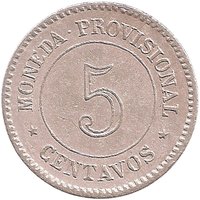
Obverse
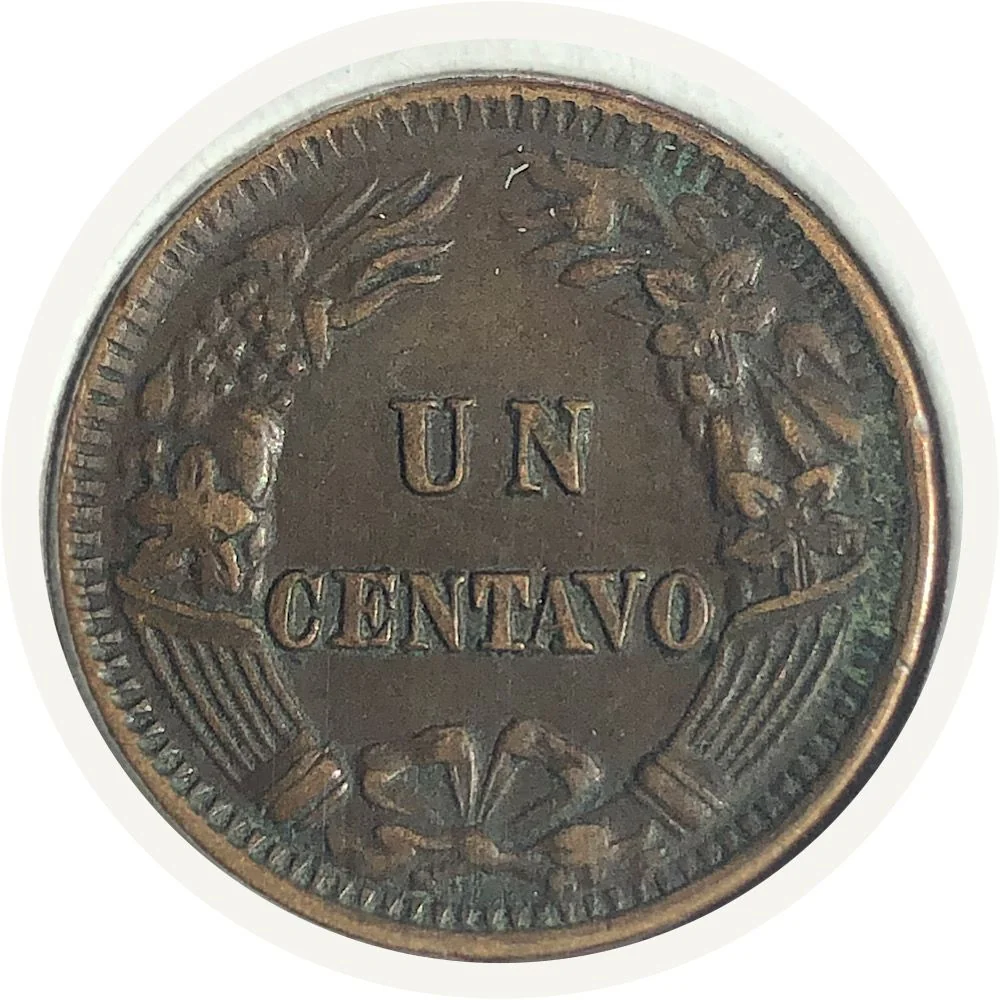
Reverse
Edge
Plain
Mintings
| Year | Mint Mark | Mintage | Quality | Collection |
|---|---|---|---|---|
| 1875 | — | — | ||
| 1876 | — | — | ||
| 1877 | — | — | ||
| 1878 | — | — |
Historical background
In 1875, Peru found itself in a precarious monetary situation, caught between the legacy of colonial coinage and the pressures of a modernizing, export-driven economy. The official currency was the silver sol, but the monetary system was chaotic and bimetallic, with both gold and silver coins circulating alongside a plethora of foreign currencies, particularly the Bolivian and Chilean silver pesos. This fragmentation hindered commerce and state finances. More critically, Peru was on the silver standard at a time when the global value of silver was beginning its long decline relative to gold, driven by increased production and the adoption of the gold standard by major trading nations like the UK. This external devaluation threatened to erode Peru's international purchasing power and create exchange rate instability.
The situation was exacerbated by the fiscal policies of President Manuel Pardo's Civilista government (1872-1876). Engaged in ambitious internal development projects and burdened by the large external debt from earlier guano-backed loans, the state faced chronic budget deficits. To raise revenue and assert monetary sovereignty, the government took a drastic step in 1875: it nationalized the nitrate industry in the southern Tarapacá province, which was largely owned and operated by Chilean and British capital. This move was intended to capture the lucrative export revenues directly but immediately provoked a diplomatic and financial crisis with Chile, setting the stage for future conflict.
Consequently, by the end of 1875, Peru's currency situation was fundamentally unstable. The state lacked the bullion reserves to impose a unified, stable currency, while its paper money, the billetes fiscales, was not fully convertible and faced public distrust. The nitrate nationalization, rather than providing a quick fiscal solution, alienated foreign investors and created a flashpoint with Chile. Thus, the monetary disorder reflected deeper structural problems: a vulnerable export economy, fragile public finances, and rising geopolitical tensions, all of which would culminate in the disastrous War of the Pacific (1879-1883), during which Peru's monetary system would collapse entirely.
The situation was exacerbated by the fiscal policies of President Manuel Pardo's Civilista government (1872-1876). Engaged in ambitious internal development projects and burdened by the large external debt from earlier guano-backed loans, the state faced chronic budget deficits. To raise revenue and assert monetary sovereignty, the government took a drastic step in 1875: it nationalized the nitrate industry in the southern Tarapacá province, which was largely owned and operated by Chilean and British capital. This move was intended to capture the lucrative export revenues directly but immediately provoked a diplomatic and financial crisis with Chile, setting the stage for future conflict.
Consequently, by the end of 1875, Peru's currency situation was fundamentally unstable. The state lacked the bullion reserves to impose a unified, stable currency, while its paper money, the billetes fiscales, was not fully convertible and faced public distrust. The nitrate nationalization, rather than providing a quick fiscal solution, alienated foreign investors and created a flashpoint with Chile. Thus, the monetary disorder reflected deeper structural problems: a vulnerable export economy, fragile public finances, and rising geopolitical tensions, all of which would culminate in the disastrous War of the Pacific (1879-1883), during which Peru's monetary system would collapse entirely.
🌱 Fairly Common