

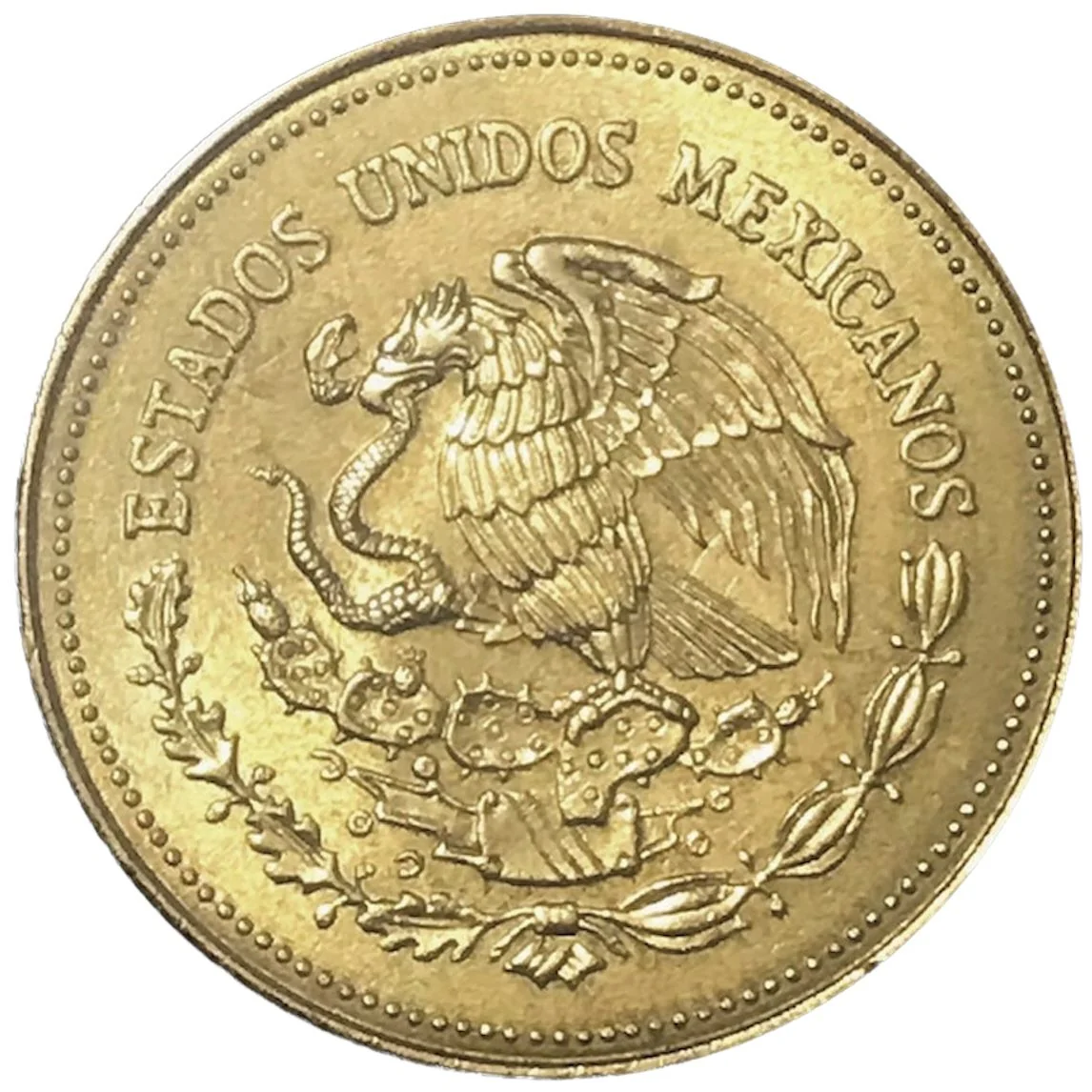
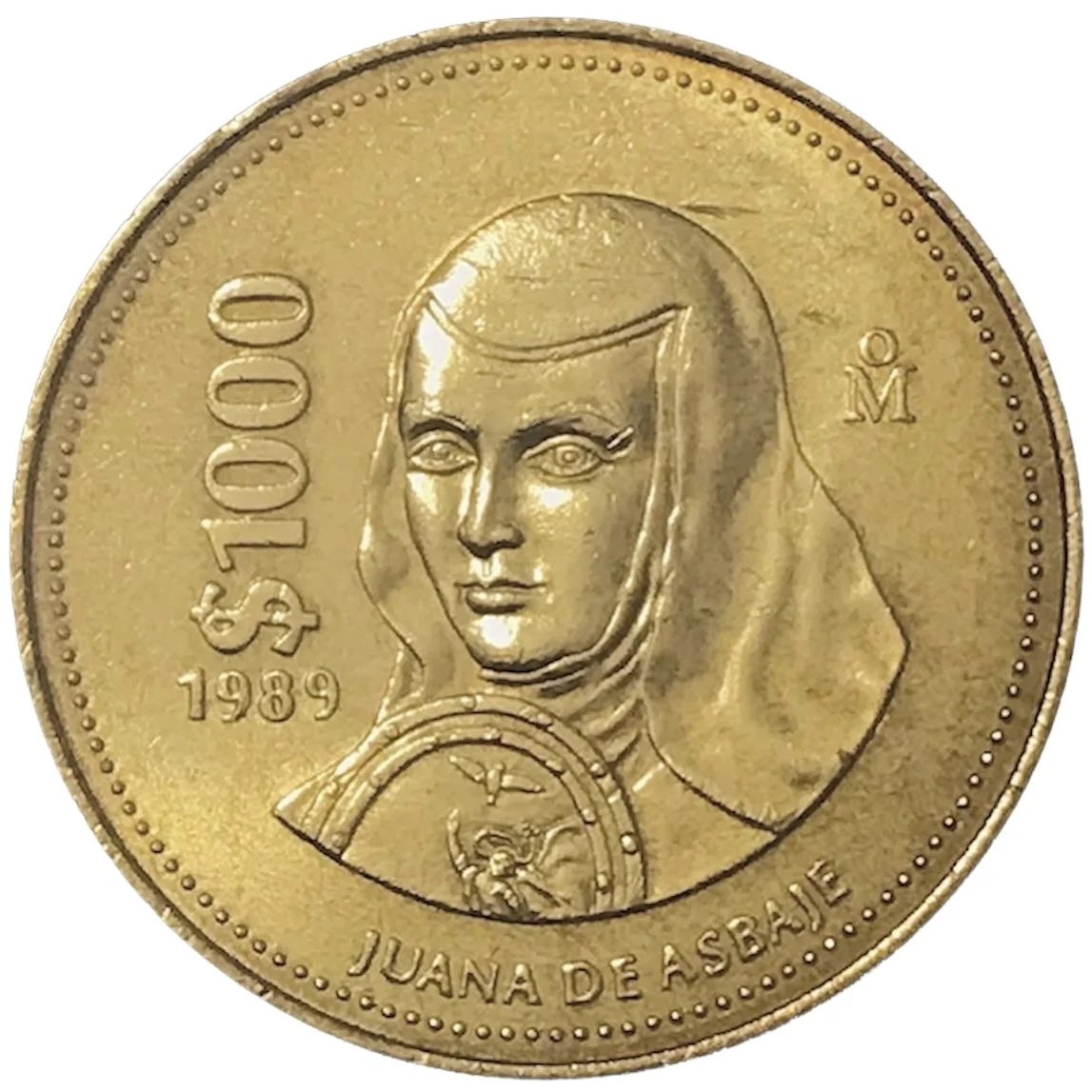
1000 pesos – Mexico
Add to wishlist
Mexico
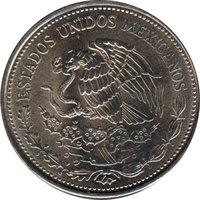
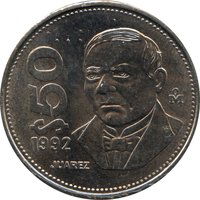
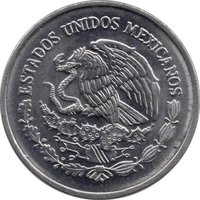
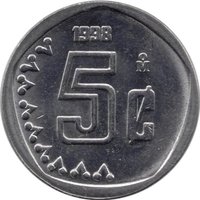
Obverse
Reverse
Edge
Reeded
Categories
| Animal> Bird> Eagle |
| Symbols> Coat of Arms |
| Symbol> Wreath |
| Art> Literature |
| Person> Philosopher |
| Person> Religious figure |
Mints
| Name | Mark |
|---|---|
| Mexican Mint | (Mo) |
Mintings
| Year | Mint Mark | Mintage | Quality | Collection |
|---|---|---|---|---|
| 1988 | Mo | 229,300,000 | ||
| 1989 | Mo | 215,716,000 | ||
| 1990 | Mo | 41,291,000 | ||
| 1990 | Mo | 2 | Proof | |
| 1991 | Mo | 42,468,000 | ||
| 1992 | Mo | 84,725,000 |
Historical background
In 1988, Mexico was emerging from a profound economic crisis that had defined much of the 1980s, known as the "Lost Decade." The period was characterized by the aftermath of the 1982 debt default, rampant inflation, and a series of drastic devaluations of the peso. By 1987, annual inflation had skyrocketed to an unprecedented 159%, severely eroding purchasing power and creating deep social unrest. The government of President Miguel de la Madrid, concluding his term in 1988, had responded in late 1987 by implementing the Pacto de Solidaridad Económica (PSE). This heterodox stabilization program combined traditional fiscal austerity with wage and price controls, aiming to break inflationary expectations and stabilize the currency.
The currency situation was therefore one of fragile and enforced stabilization. The PSE pegged the peso to the U.S. dollar within a controlled, crawling band, halting the free fall of the currency. This "fixed but adjustable" exchange rate regime was the cornerstone of the anti-inflation fight, providing a nominal anchor for prices. While successful in sharply reducing monthly inflation rates by the end of 1988, the stability was artificial and maintained through significant state intervention in the economy. The peso was widely considered overvalued, which hurt export competitiveness and masked underlying economic pressures.
The 1988 presidential election, one of the most contentious in Mexico's history, brought Carlos Salinas de Gortari to power. He inherited this managed currency regime and the ongoing social pacts (renamed Pacto para la Estabilidad y el Crecimiento Económico). The fundamental vulnerabilities remained: the overvalued peso, a persistent current account deficit, and an economy still dependent on capital inflows. Thus, the currency situation at the close of 1988 was one of precarious calm, setting the stage for the reforms of the Salinas administration, which would later lead to the disastrous peso crisis of 1994 when these accumulated imbalances could no longer be contained.
The currency situation was therefore one of fragile and enforced stabilization. The PSE pegged the peso to the U.S. dollar within a controlled, crawling band, halting the free fall of the currency. This "fixed but adjustable" exchange rate regime was the cornerstone of the anti-inflation fight, providing a nominal anchor for prices. While successful in sharply reducing monthly inflation rates by the end of 1988, the stability was artificial and maintained through significant state intervention in the economy. The peso was widely considered overvalued, which hurt export competitiveness and masked underlying economic pressures.
The 1988 presidential election, one of the most contentious in Mexico's history, brought Carlos Salinas de Gortari to power. He inherited this managed currency regime and the ongoing social pacts (renamed Pacto para la Estabilidad y el Crecimiento Económico). The fundamental vulnerabilities remained: the overvalued peso, a persistent current account deficit, and an economy still dependent on capital inflows. Thus, the currency situation at the close of 1988 was one of precarious calm, setting the stage for the reforms of the Salinas administration, which would later lead to the disastrous peso crisis of 1994 when these accumulated imbalances could no longer be contained.
🌱 Very Common