

10 centavos – Ecuador
Add to wishlist
Ecuador
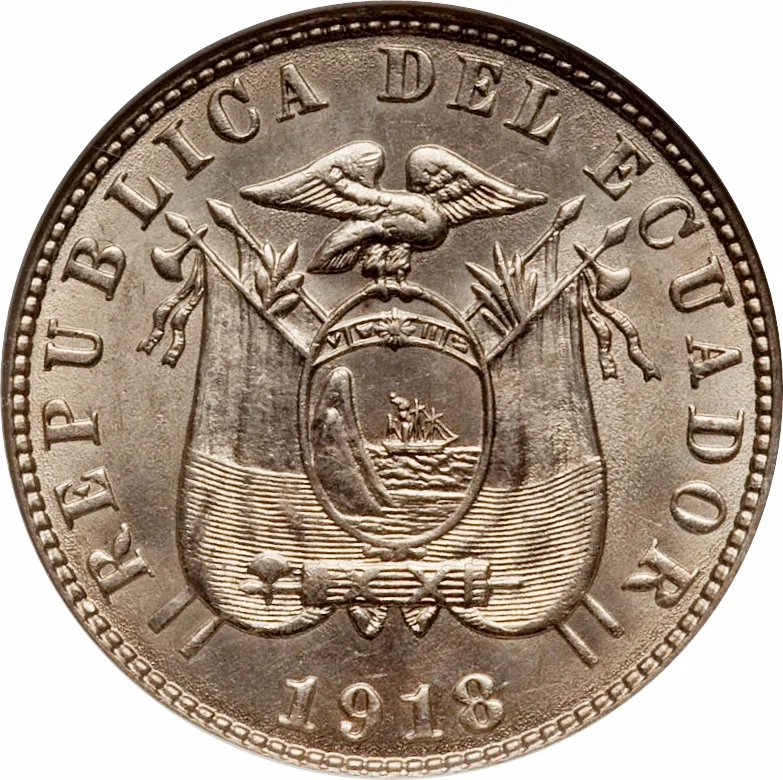
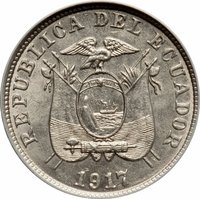
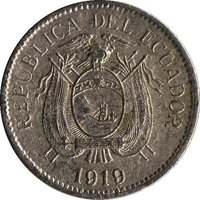
Obverse
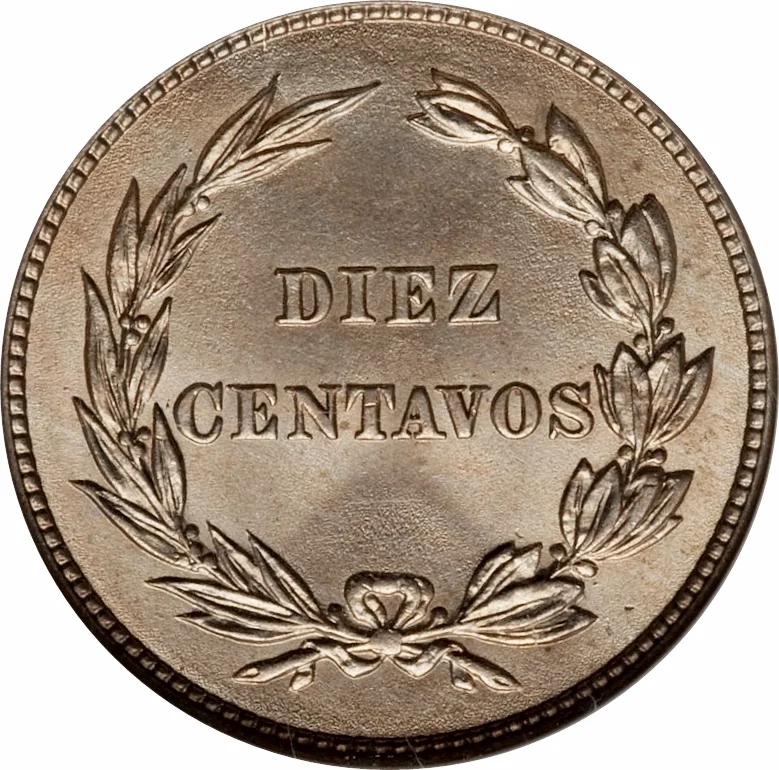
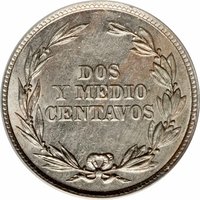
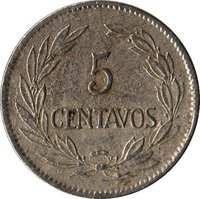
Reverse
Edge
Plain
Categories
| Symbols> Coat of Arms |
| Symbol> Wreath |
Mints
| Name | Mark |
|---|---|
| United States Mint of Philadelphia | — |
Mintings
| Year | Mint Mark | Mintage | Quality | Collection |
|---|---|---|---|---|
| 1918 | — | 1,000,000 |
Historical background
In 1918, Ecuador's currency situation was defined by the persistent instability of the sucre, which had been the national currency since 1884. The country operated on a de facto silver standard, but the value of the sucre was volatile and had been depreciating against major foreign currencies for decades due to chronic fiscal deficits, limited export earnings (primarily from cacao), and the government's heavy reliance on printing money to finance its operations. This period fell within the larger "Cacao Boom" era, but by 1918, the economic fragility of that dependence was becoming apparent, and the global disruptions of World War I further complicated international trade and access to credit.
The immediate monetary landscape was one of scarcity and inconsistency. While silver and gold coins were minted, they often circulated at a premium to their face value and were hoarded, leading to a shortage of hard currency in everyday transactions. Consequently, a flood of paper money issued by private banks and the government filled the void, but these notes were of uncertain value and frequently discounted. The lack of a strong, centralized banking authority (the Central Bank of Ecuador would not be founded until 1927) meant there was no effective lender of last resort or unified control over the money supply, exacerbating inflationary pressures and public distrust in the paper currency.
Ultimately, the currency woes of 1918 were a symptom of deeper structural problems: a weak state, an undiversified economy, and a fragmented financial system. The post-war collapse of the cacao market from plant disease and increased global competition would soon trigger a full-blown banking and currency crisis in the early 1920s, culminating in the dramatic depreciation of the sucre. Thus, the situation in 1918 represented the late stage of an unsustainable monetary regime, poised on the brink of a profound economic upheaval that would reshape Ecuador's financial institutions in the following decade.
The immediate monetary landscape was one of scarcity and inconsistency. While silver and gold coins were minted, they often circulated at a premium to their face value and were hoarded, leading to a shortage of hard currency in everyday transactions. Consequently, a flood of paper money issued by private banks and the government filled the void, but these notes were of uncertain value and frequently discounted. The lack of a strong, centralized banking authority (the Central Bank of Ecuador would not be founded until 1927) meant there was no effective lender of last resort or unified control over the money supply, exacerbating inflationary pressures and public distrust in the paper currency.
Ultimately, the currency woes of 1918 were a symptom of deeper structural problems: a weak state, an undiversified economy, and a fragmented financial system. The post-war collapse of the cacao market from plant disease and increased global competition would soon trigger a full-blown banking and currency crisis in the early 1920s, culminating in the dramatic depreciation of the sucre. Thus, the situation in 1918 represented the late stage of an unsustainable monetary regime, poised on the brink of a profound economic upheaval that would reshape Ecuador's financial institutions in the following decade.
🌟 Limited