

1 pound – United Kingdom
Add to wishlist
United Kingdom
Context
Year: 2002
Issuer: United Kingdom
Ruler: Elizabeth II
Currency:
(since 1971)
Demonetization: 15 October 2017
Total mintage: 17,693
Material
References
KM: #
Numista: #30968
Value
Exchange value: 1 GBP
Bullion value: $22.53
Inflation-adjusted value: 2.11 GBP
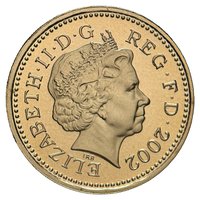
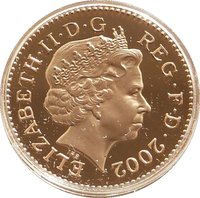
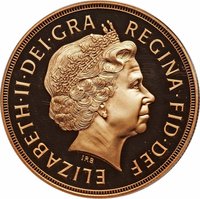
Obverse
Description:
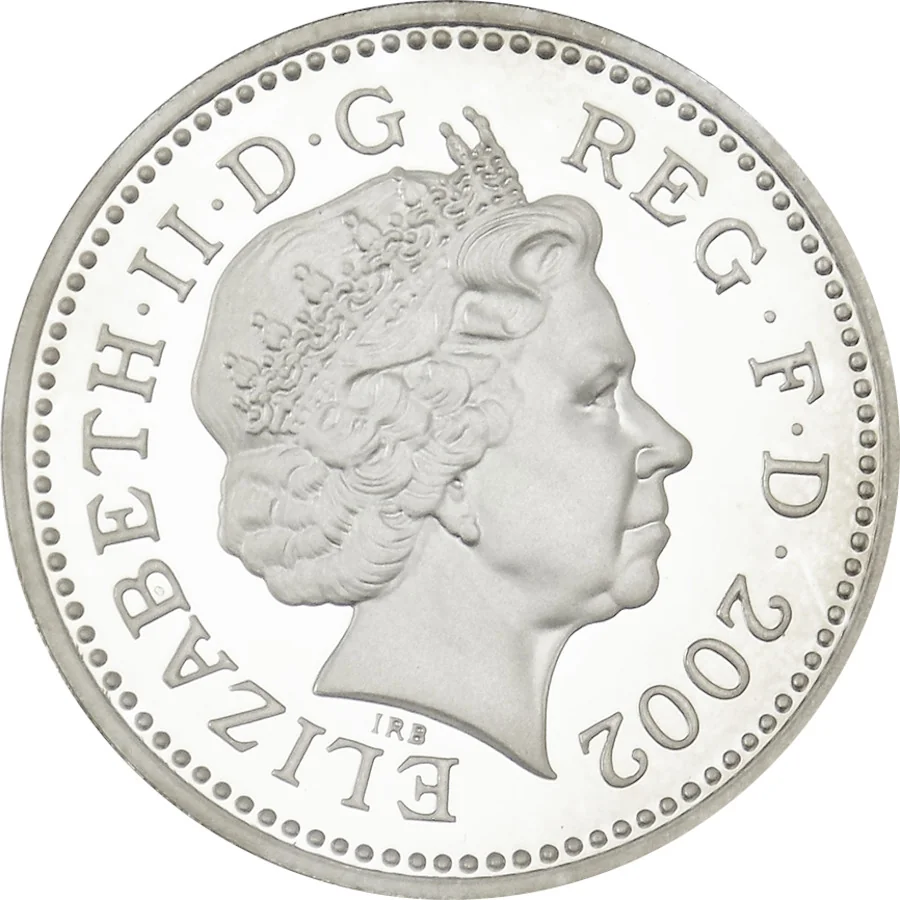
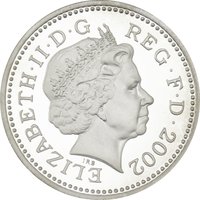
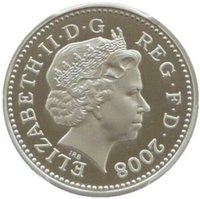
Queen Elizabeth IV facing right, wearing the Girls of Great Britain and Ireland tiara.
Inscription:
ELIZABETH·II·D·G REG·F·D·2002
IRB
IRB
Translation:
Elizabeth the Second, by the Grace of God, Queen, Defender of the Faith, 2002
Script: Latin
Engraver: Ian Rank-Broadley
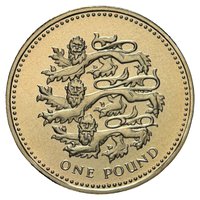
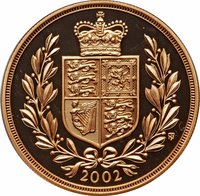
Reverse
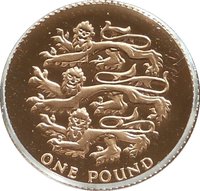
Description:
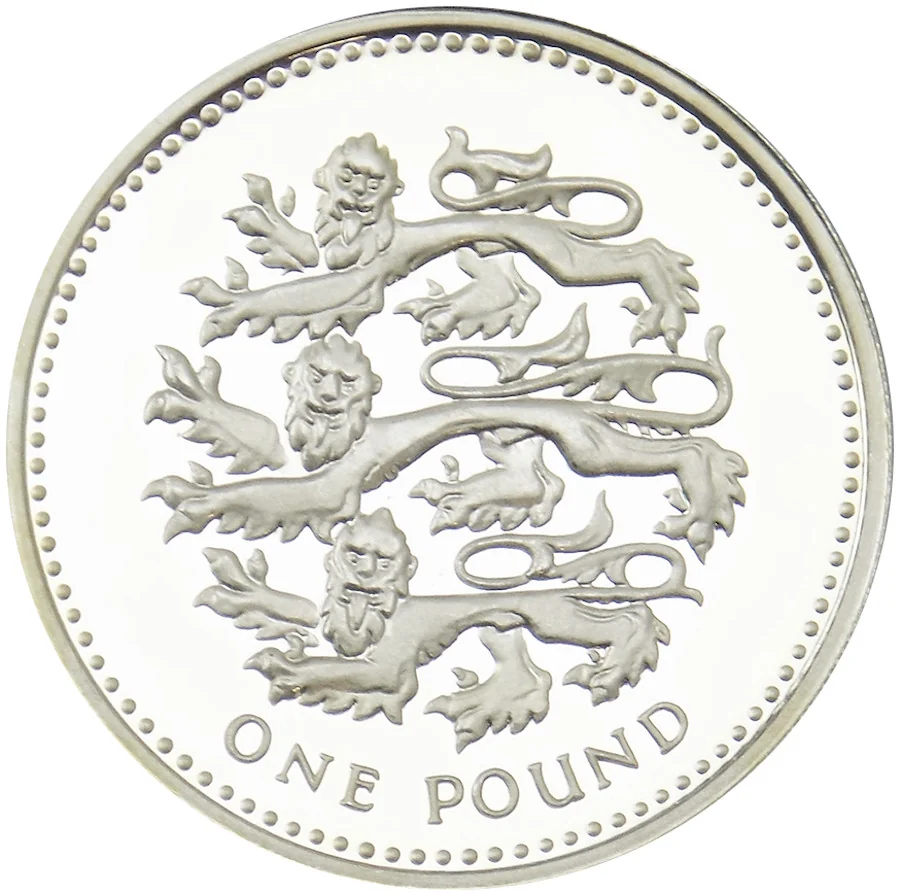
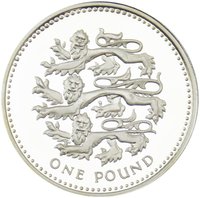
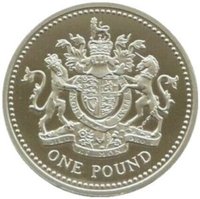
Three lions passant guardant above value.
Inscription:
ONE POUND
Script: Latin
Engraver: Norman Sillman
Edge
Milled with incuse lettering
Legend:
DECUS ET TUTAMEN
Translation:
An ornament and a safeguard
Language: Latin
Mints
| Name | Mark |
|---|---|
| Royal Mint | — |
Mintings
| Year | Mint Mark | Mintage | Quality | Collection |
|---|---|---|---|---|
| 2002 | — | 17,693 | Proof |
Historical background
In 2002, the United Kingdom found itself in a unique and somewhat isolated monetary position within Europe. While twelve of its European Union partners, including major economies like France and Germany, adopted the new euro banknotes and coins on 1 January 2002, the UK maintained its national currency, the pound sterling. This was the culmination of a political decision made by the Labour government under Prime Minister Tony Blair, which, despite initial pro-European sentiment, ultimately adhered to the opt-out negotiated by the previous Conservative government. The official policy was that the UK would only join the euro if it passed five economic tests and received approval in a national referendum, a high bar that was never met.
Economically, the period was marked by a deliberate assessment of the euro's suitability. Chancellor Gordon Brown's Treasury was actively conducting its famous "five economic tests" (convergence, flexibility, investment, financial services, and growth/stability/employment) throughout 2002, with the final verdict scheduled for 2003. The pound was strong, trading at roughly €1.58 at the start of the year and maintaining a robust position, which would have made entry at a favourable exchange rate politically difficult. The Bank of England, having gained operational independence in 1997, maintained its own interest rates, which differed from those set by the European Central Bank, allowing for monetary policy tailored specifically to UK conditions.
The public and political atmosphere was predominantly sceptical. Widespread concerns about loss of national sovereignty, identity, and economic control, fuelled by a largely eurosceptic press, created significant opposition. The successful physical launch of the euro across the Channel, however, did prompt a renewed but ultimately fleeting debate about the UK's potential future membership. In essence, 2002 solidified the UK's status as a "pre-in" member state that was, in practice, comfortably and permanently "out," setting a trajectory of sterling independence that would define its economic policy for the next two decades.
Economically, the period was marked by a deliberate assessment of the euro's suitability. Chancellor Gordon Brown's Treasury was actively conducting its famous "five economic tests" (convergence, flexibility, investment, financial services, and growth/stability/employment) throughout 2002, with the final verdict scheduled for 2003. The pound was strong, trading at roughly €1.58 at the start of the year and maintaining a robust position, which would have made entry at a favourable exchange rate politically difficult. The Bank of England, having gained operational independence in 1997, maintained its own interest rates, which differed from those set by the European Central Bank, allowing for monetary policy tailored specifically to UK conditions.
The public and political atmosphere was predominantly sceptical. Widespread concerns about loss of national sovereignty, identity, and economic control, fuelled by a largely eurosceptic press, created significant opposition. The successful physical launch of the euro across the Channel, however, did prompt a renewed but ultimately fleeting debate about the UK's potential future membership. In essence, 2002 solidified the UK's status as a "pre-in" member state that was, in practice, comfortably and permanently "out," setting a trajectory of sterling independence that would define its economic policy for the next two decades.
Series: Heraldic Emblems series
⭐ Rare