

5 pounds – Egypt
Add to wishlist
Egypt
Context
Year: 1982
Islamic (Hijri) Year:: 1402
Issuer: Egypt
Period:
(since 1971)
Currency:
(since 1916)
Total mintage: 1,500
Material
References
KM: #
Numista: #307564
Value
Exchange value: 5 EGP
Bullion value: $3531.70
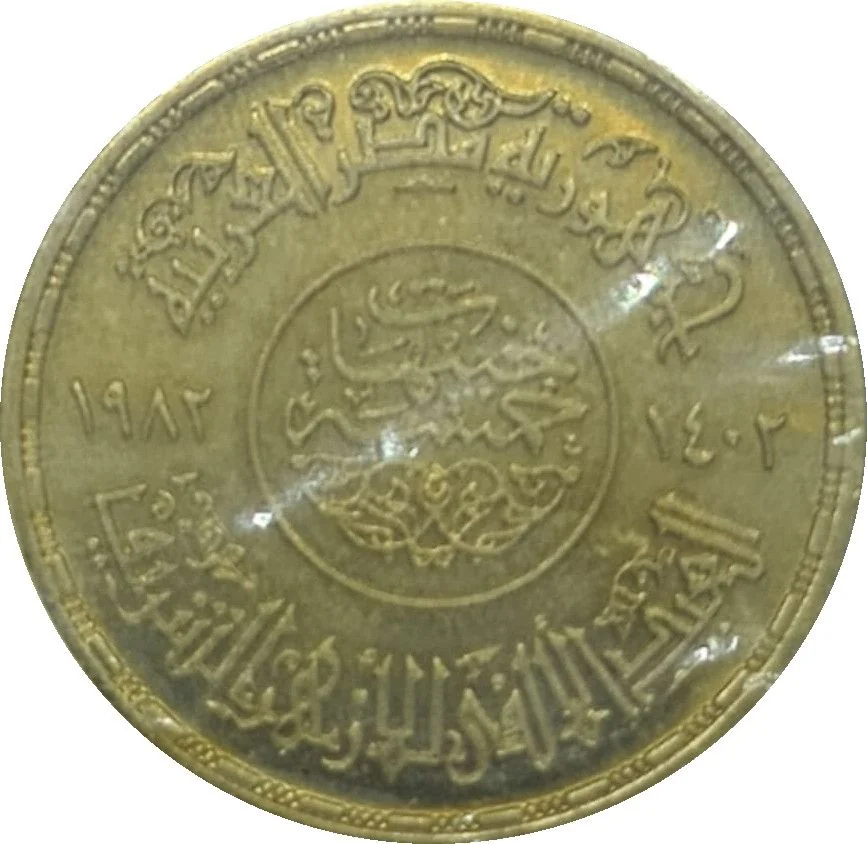
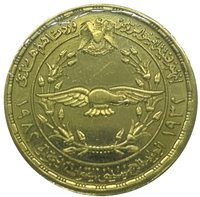
Obverse
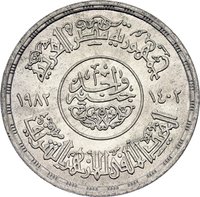
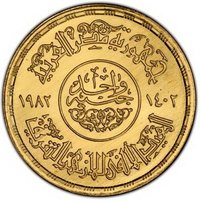
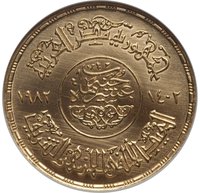
Inscription:
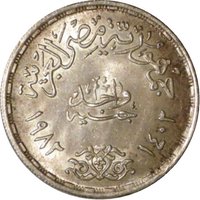
جمهورية مصر العربية
خمسة جنيهات
١٩٨٢ ١٤٠٢
العيد الألفي للازهر الشريف
خمسة جنيهات
١٩٨٢ ١٤٠٢
العيد الألفي للازهر الشريف
Translation:
Arab Republic of Egypt
Five Pounds
1982 1402
The One Thousandth Anniversary of Al-Azhar Al-Sharif
Five Pounds
1982 1402
The One Thousandth Anniversary of Al-Azhar Al-Sharif
Language: Arabic
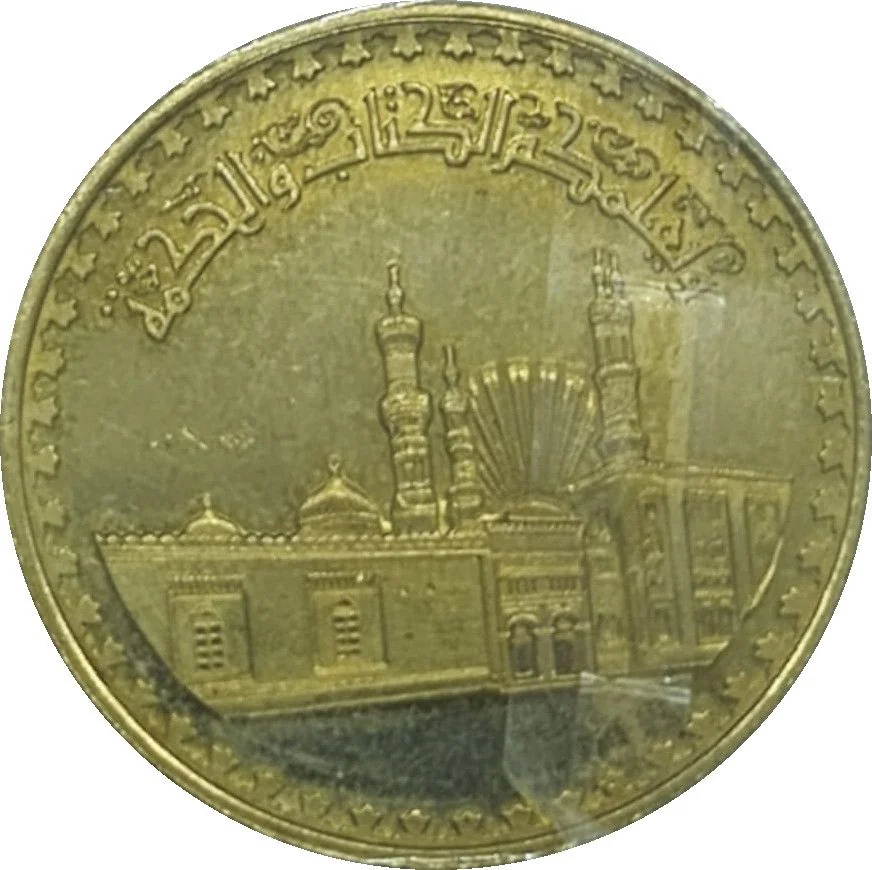
Reverse
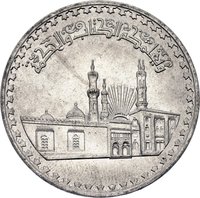
Description:
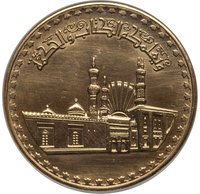
Al-Azhar Mosque.
Inscription:
و يعلمكم الكتاب و الحكمة
Translation:
And He teaches you the Book and the Wisdom.
Language: Arabic
Edge
Reeded
Categories
| Building> Religious building |
Mints
| Name | Mark |
|---|---|
| Egyptian Mint Authority | — |
Mintings
| Year | Mint Mark | Mintage | Quality | Collection |
|---|---|---|---|---|
| 1982 | — | 1,500 |
Historical background
By 1982, Egypt was navigating a complex and challenging currency situation, a direct legacy of the economic policies of the 1970s under President Anwar Sadat. The "Infitah" (Open Door) economic liberalization policy, initiated in 1974, had moved the country away from Gamal Abdel Nasser's state-controlled model. While attracting foreign investment, it also led to a proliferation of multiple exchange rates, creating a distorted and inefficient system. The official rate was fixed at an overvalued level (approximately E£0.70 to US$1), but a thriving black market, where the Egyptian pound traded at a significant discount, reflected the currency's true market weakness and fueled inflation and corruption.
The government maintained strict exchange controls, with access to the favorable official rate restricted primarily to imports of essential goods like food and medicine. Most other transactions, including those by the private sector and for non-essential imports, were forced to use the much less favorable "parallel" or black-market rates. This dual system created major bottlenecks for business, encouraged rent-seeking, and led to frequent shortages of foreign currency for legitimate commercial needs. The overvalued official pound also made Egyptian exports less competitive on the global market, worsening the country's trade deficit.
This unsustainable monetary environment was a key factor pushing the government toward a major economic reckoning. In the years following 1982, pressure from the International Monetary Fund (IMF) and other international creditors, concerned with Egypt's mounting debt, would intensify. These pressures culminated in the pivotal 1987 IMF agreement, which mandated a series of structural adjustments, including the first significant devaluation of the Egyptian pound and a move toward unifying the chaotic exchange rate system—a painful but necessary step to address the deep-rooted imbalances of the previous decade.
The government maintained strict exchange controls, with access to the favorable official rate restricted primarily to imports of essential goods like food and medicine. Most other transactions, including those by the private sector and for non-essential imports, were forced to use the much less favorable "parallel" or black-market rates. This dual system created major bottlenecks for business, encouraged rent-seeking, and led to frequent shortages of foreign currency for legitimate commercial needs. The overvalued official pound also made Egyptian exports less competitive on the global market, worsening the country's trade deficit.
This unsustainable monetary environment was a key factor pushing the government toward a major economic reckoning. In the years following 1982, pressure from the International Monetary Fund (IMF) and other international creditors, concerned with Egypt's mounting debt, would intensify. These pressures culminated in the pivotal 1987 IMF agreement, which mandated a series of structural adjustments, including the first significant devaluation of the Egyptian pound and a move toward unifying the chaotic exchange rate system—a painful but necessary step to address the deep-rooted imbalances of the previous decade.

✨ Legendary