

1 Mun – Joseon
Context
Material
Diameter: 23.3 mm
Weight: 4.11 g
Thickness: 1.2 mm
Shape: Round with a square hole
Composition: Copper
Magnetic: No
Technique: Cast
Alignment: Medal alignment
flip
References
KM: #Click to copy to clipboard66
Numista: #304892
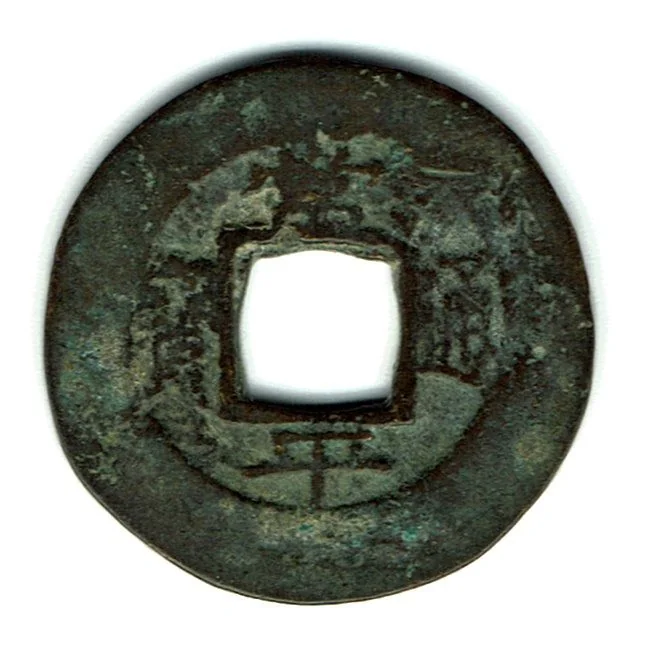
Obverse
Description:
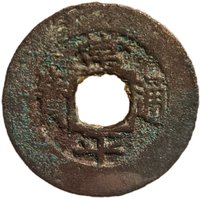
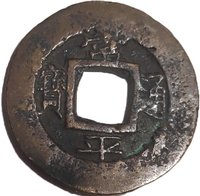
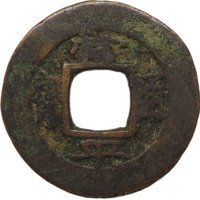
常平通寶 (Sang pyong tong bo) - Korean Yi Dynasty currency.
Inscription:
常
寶 通
平
寶 通
平
Translation:
Eternal Treasure
Circulating Currency
Circulating Currency
Scripts: Chinese (traditional, regular script)
Language: Chinese
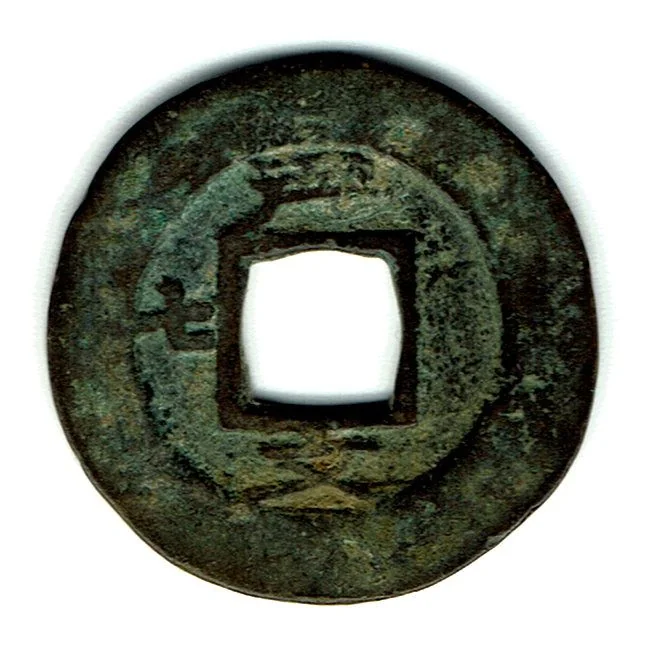
Reverse
Description:
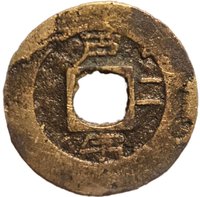
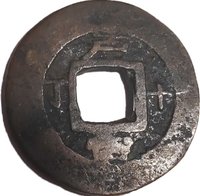
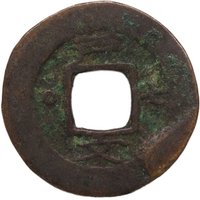
Mint mark top, serials bottom. Left: *户 (Ho) Treasury, *文 (Mun) Cash.
Inscription:
户
七
文
七
文
Translation:
Household
Seven
Cash
Seven
Cash
Scripts: Chinese (traditional, regular script)
Language: Chinese
Edge
Mints
| Name | Mark |
|---|---|
| Treasury Department | 户 |
Mintings
| Year | Mint Mark | Mintage | Quality | Collection |
|---|---|---|---|---|
| 1832 | — | — |
Historical background
In 1832, the currency system of the Joseon Dynasty was in a state of profound instability, caught between a debilitating shortage of official coinage and the rampant circulation of privately minted and counterfeit money. The state's primary coin, the sangpyeong tongbo (常平通寶) brass cash, was officially minted and intended to standardize exchange. However, chronic government deficits and inefficient mintage led to a severe scarcity of these legitimate coins in the provinces. This scarcity crippled commercial transactions and tax payments, creating a persistent monetary deflation that stifled the growing market economy.
The vacuum was filled by a flood of illicit currency. Private merchants and powerful clans, notably in the southern provinces, minted their own versions of the coin, known as saseon (私銭). These privately minted coins, along with outright counterfeits, circulated widely but were of inferior and inconsistent quality, containing less brass than official issues. This led to a complex and chaotic system where different types of cash had different exchange values based on their perceived quality and region, undermining trust in the currency itself and facilitating widespread fraud.
This monetary chaos was symptomatic of deeper structural problems within late Joseon. The state's inability to control the money supply eroded its fiscal authority and exacerbated social strife. The yangban elite and wealthy merchants who controlled private minting profited, while the common people and small traders suffered from the unpredictable value of their money. Consequently, the currency crisis of 1832 was not merely a financial issue but a key factor in the dynasty's weakening administrative control and growing internal contradictions, foreshadowing the greater upheavals of the 19th century.
The vacuum was filled by a flood of illicit currency. Private merchants and powerful clans, notably in the southern provinces, minted their own versions of the coin, known as saseon (私銭). These privately minted coins, along with outright counterfeits, circulated widely but were of inferior and inconsistent quality, containing less brass than official issues. This led to a complex and chaotic system where different types of cash had different exchange values based on their perceived quality and region, undermining trust in the currency itself and facilitating widespread fraud.
This monetary chaos was symptomatic of deeper structural problems within late Joseon. The state's inability to control the money supply eroded its fiscal authority and exacerbated social strife. The yangban elite and wealthy merchants who controlled private minting profited, while the common people and small traders suffered from the unpredictable value of their money. Consequently, the currency crisis of 1832 was not merely a financial issue but a key factor in the dynasty's weakening administrative control and growing internal contradictions, foreshadowing the greater upheavals of the 19th century.
💎 Extremely Rare