

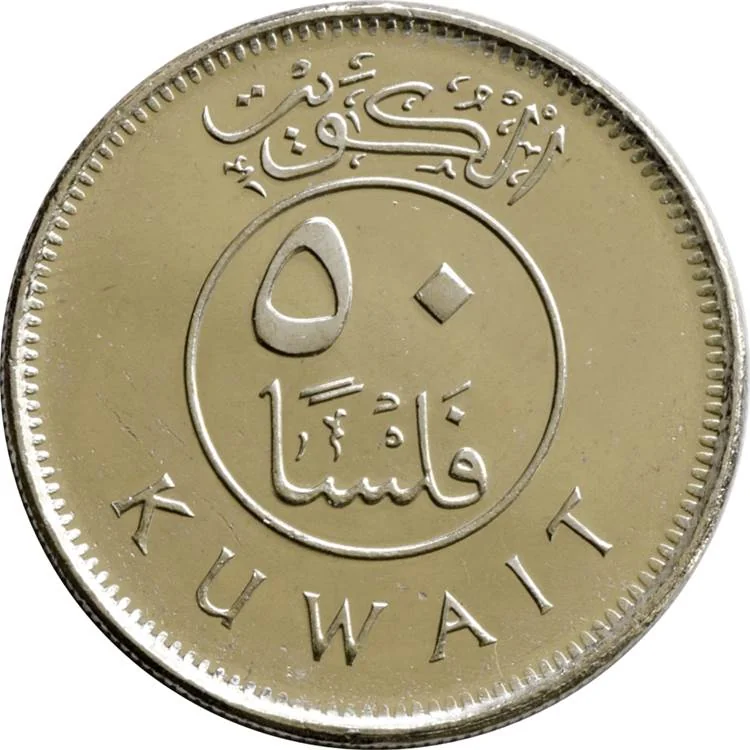
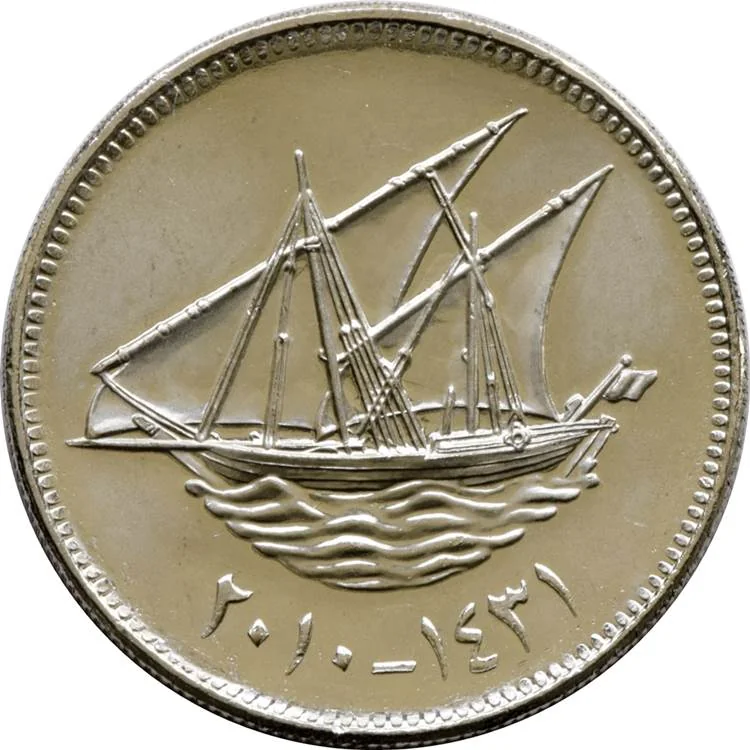
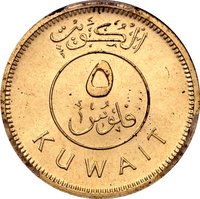
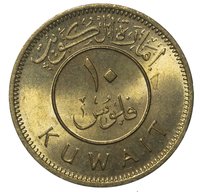
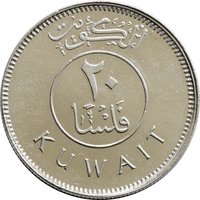
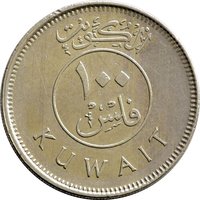
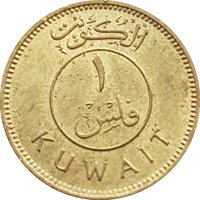
Obverse
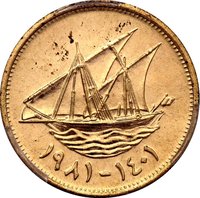
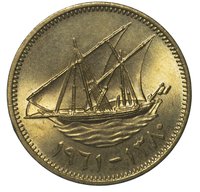
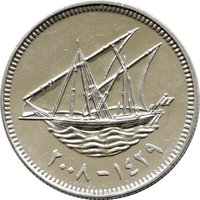
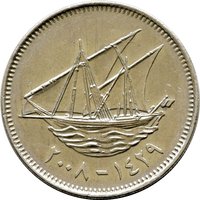
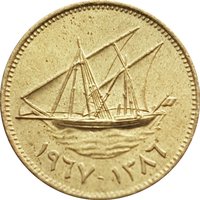
Reverse
Edge
Reeded
Categories
| Transportation> Watercraft |
Mints
| Name | Mark |
|---|---|
| Royal Mint (Tower Hill) | — |
| Royal Mint | — |
Mintings
| Year | Mint Mark | Mintage | Quality | Collection |
|---|---|---|---|---|
| 1962 | — | 900,000 | ||
| 1962 | — | 60 | Proof | |
| 1964 | — | 300,000 | ||
| 1967 | — | 800,000 | ||
| 1968 | — | 200,000 | ||
| 1969 | — | 500,000 | ||
| 1970 | — | 500,000 | ||
| 1971 | — | 300,000 | ||
| 1971 | — | 500,000 | ||
| 1972 | — | 900,000 | ||
| 1973 | — | — | ||
| 1974 | — | 1,000,000 | ||
| 1975 | — | 1,950,000 | ||
| 1976 | — | 2,250,000 | ||
| 1977 | — | 6,000,000 | ||
| 1979 | — | — | ||
| 1980 | — | — | ||
| 1981 | — | 3,000,000 | ||
| 1983 | — | — | ||
| 1985 | — | — | ||
| 1987 | — | 2,000,000 | ||
| 1988 | — | 3,000,000 | ||
| 1990 | — | — | ||
| 1993 | — | — | ||
| 1995 | — | — | ||
| 1997 | — | — | ||
| 1999 | — | — | ||
| 2001 | — | — | ||
| 2003 | — | — | ||
| 2005 | — | — | ||
| 2006 | — | — | ||
| 2007 | — | — | ||
| 2008 | — | — | ||
| 2009 | — | — | ||
| 2010 | — | — | ||
| 2011 | — | — |
Historical background
In 1962, Kuwait was navigating a pivotal transition in its monetary system, just one year after gaining full independence from Britain. The country was still operating under the Kuwaiti dinar, which had been introduced in 1961 to replace the Gulf rupee. This new dinar was initially pegged to the British pound sterling, reflecting the lingering economic and administrative ties of the protectorate period. However, the broader context was one of profound change, as Kuwait sought to assert its sovereignty and manage its rapidly growing oil wealth, which provided the solid foundation for its currency's value.
The monetary landscape was dominated by the Kuwait Currency Board, established in 1960 and based in London. This arrangement meant that while Kuwait issued its own currency, its reserves were held in sterling and its monetary policy was indirectly influenced by British financial interests. For a newly independent nation with immense petroleum revenues, this external dependency was increasingly seen as an anachronism. There was a growing consensus among Kuwaiti leaders and economic planners that a more autonomous central banking institution was necessary to fully control the national currency and manage the state's substantial assets.
Consequently, 1962 was a year of active preparation for a major monetary reform. The government was drafting the law that would establish the Central Bank of Kuwait, which would ultimately be enacted in 1968. The intent was to replace the London-based Currency Board with a domestic institution capable of independent monetary policy, banking regulation, and the management of the dinar. Thus, the currency situation in 1962 was characterized by a stable but externally linked dinar, serving as a temporary system while the foundational work was laid for a fully sovereign monetary authority that would match the nation's independent political status and economic strength.
The monetary landscape was dominated by the Kuwait Currency Board, established in 1960 and based in London. This arrangement meant that while Kuwait issued its own currency, its reserves were held in sterling and its monetary policy was indirectly influenced by British financial interests. For a newly independent nation with immense petroleum revenues, this external dependency was increasingly seen as an anachronism. There was a growing consensus among Kuwaiti leaders and economic planners that a more autonomous central banking institution was necessary to fully control the national currency and manage the state's substantial assets.
Consequently, 1962 was a year of active preparation for a major monetary reform. The government was drafting the law that would establish the Central Bank of Kuwait, which would ultimately be enacted in 1968. The intent was to replace the London-based Currency Board with a domestic institution capable of independent monetary policy, banking regulation, and the management of the dinar. Thus, the currency situation in 1962 was characterized by a stable but externally linked dinar, serving as a temporary system while the foundational work was laid for a fully sovereign monetary authority that would match the nation's independent political status and economic strength.
Series: 1962 Kuwait circulation coins
🌱 Very Common