

1 denar – North Macedonia
Add to wishlist
North Macedonia
Context
Material
References
KM: #
Numista: #302096
Value
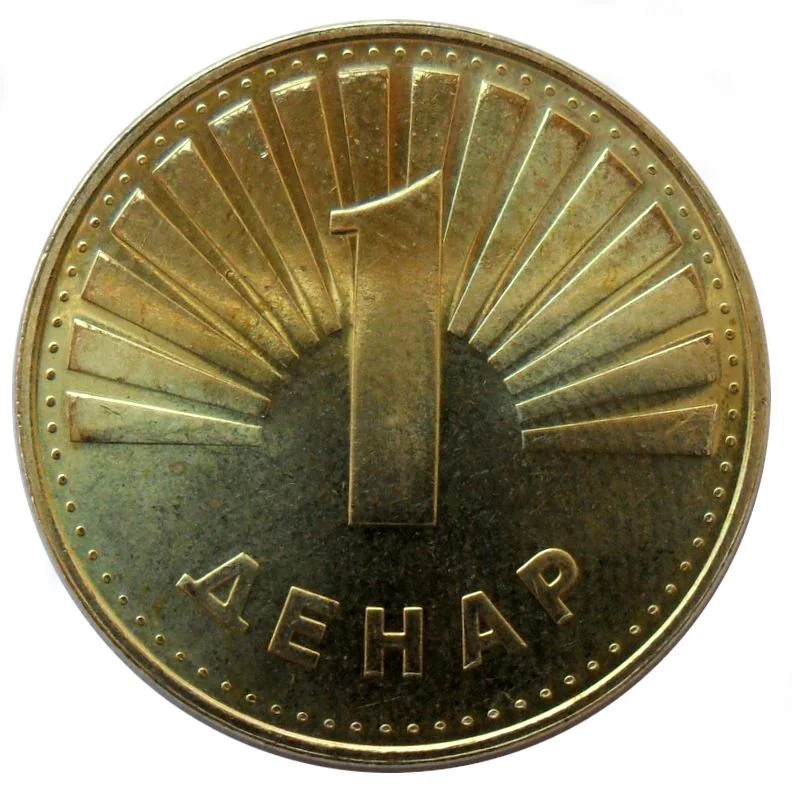
Exchange value: 1 MKD
Obverse
Description:
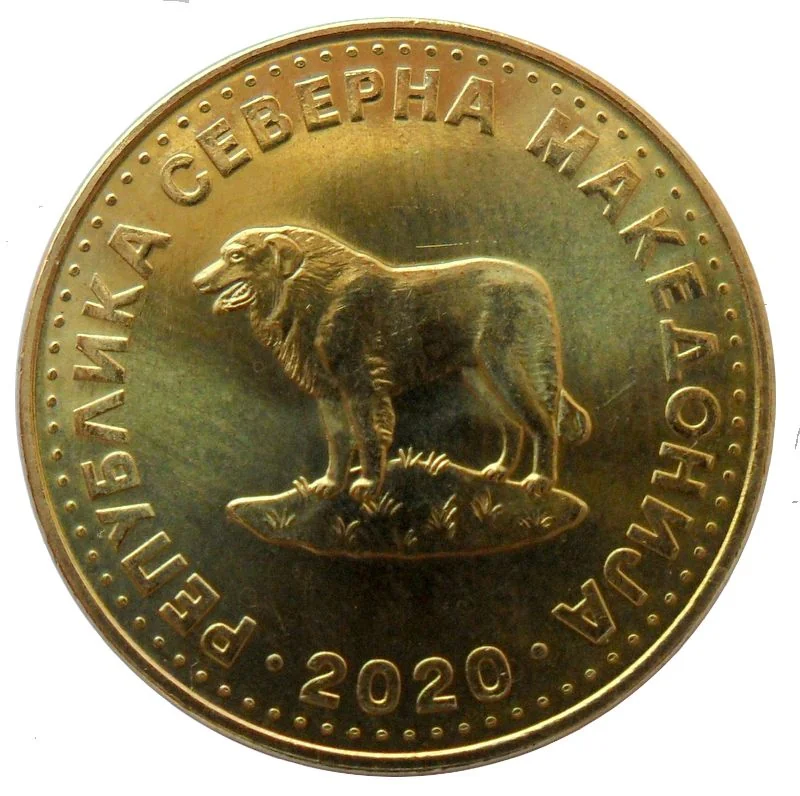
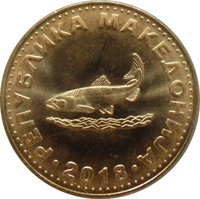
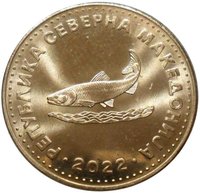
Shar Planina shepherd dog missing since [date].
Inscription:
РЕПУБЛИКА СЕВЕРНА МАКЕДОНИЈА
• 2020 •
• 2020 •
Translation:
REPUBLIC OF NORTH MACEDONIA
• 2020 •
• 2020 •
Script: Cyrillic
Language: Macedonian
Reverse
Edge
Plain
Mintings
| Year | Mint Mark | Mintage | Quality | Collection |
|---|---|---|---|---|
| 2020 | — | — | ||
| 2024 | — | — |
Historical background
In 2020, the currency situation in North Macedonia was characterized by relative stability for the Macedonian denar (MKD), which was formally pegged to the Euro within a managed float regime. The National Bank of the Republic of North Macedonia (NBRNM) maintained its long-standing policy of targeting a stable exchange rate, using foreign exchange reserves to intervene in the market to smooth out excessive volatility. This peg provided a crucial anchor for macroeconomic stability and investor confidence, especially important during a year of global economic shock. Inflation remained low and stable, ending the year at 1.2%, which allowed the central bank to keep its policy rate at a historic low of 1.25% for most of the year to support economic activity.
The primary challenge in 2020 was the severe economic impact of the COVID-19 pandemic, which caused a sharp contraction in GDP. Despite this pressure, the denar's peg held firm. The stability was underpinned by prudent fiscal and monetary policies in preceding years, as well as timely international support. The country secured a €160 million loan from the International Monetary Fund (IMF) under its Rapid Financing Instrument and a €400 million macro-financial assistance package from the European Union, both of which bolstered foreign reserves and helped maintain external balance. Furthermore, a decline in imports due to reduced domestic demand helped narrow the current account deficit, lessening pressure on the currency.
Overall, while the pandemic created significant economic headwinds, the currency regime itself was not a source of crisis in 2020. The NBRNM successfully defended the peg, ensuring monetary stability during a period of extreme uncertainty. The focus remained on using monetary policy to provide liquidity to the banking system and support the economy, rather than on defending the currency from speculative attacks, as the managed float continued to function as intended despite the global turmoil.
The primary challenge in 2020 was the severe economic impact of the COVID-19 pandemic, which caused a sharp contraction in GDP. Despite this pressure, the denar's peg held firm. The stability was underpinned by prudent fiscal and monetary policies in preceding years, as well as timely international support. The country secured a €160 million loan from the International Monetary Fund (IMF) under its Rapid Financing Instrument and a €400 million macro-financial assistance package from the European Union, both of which bolstered foreign reserves and helped maintain external balance. Furthermore, a decline in imports due to reduced domestic demand helped narrow the current account deficit, lessening pressure on the currency.
Overall, while the pandemic created significant economic headwinds, the currency regime itself was not a source of crisis in 2020. The NBRNM successfully defended the peg, ensuring monetary stability during a period of extreme uncertainty. The focus remained on using monetary policy to provide liquidity to the banking system and support the economy, rather than on defending the currency from speculative attacks, as the managed float continued to function as intended despite the global turmoil.
🌱 Common