

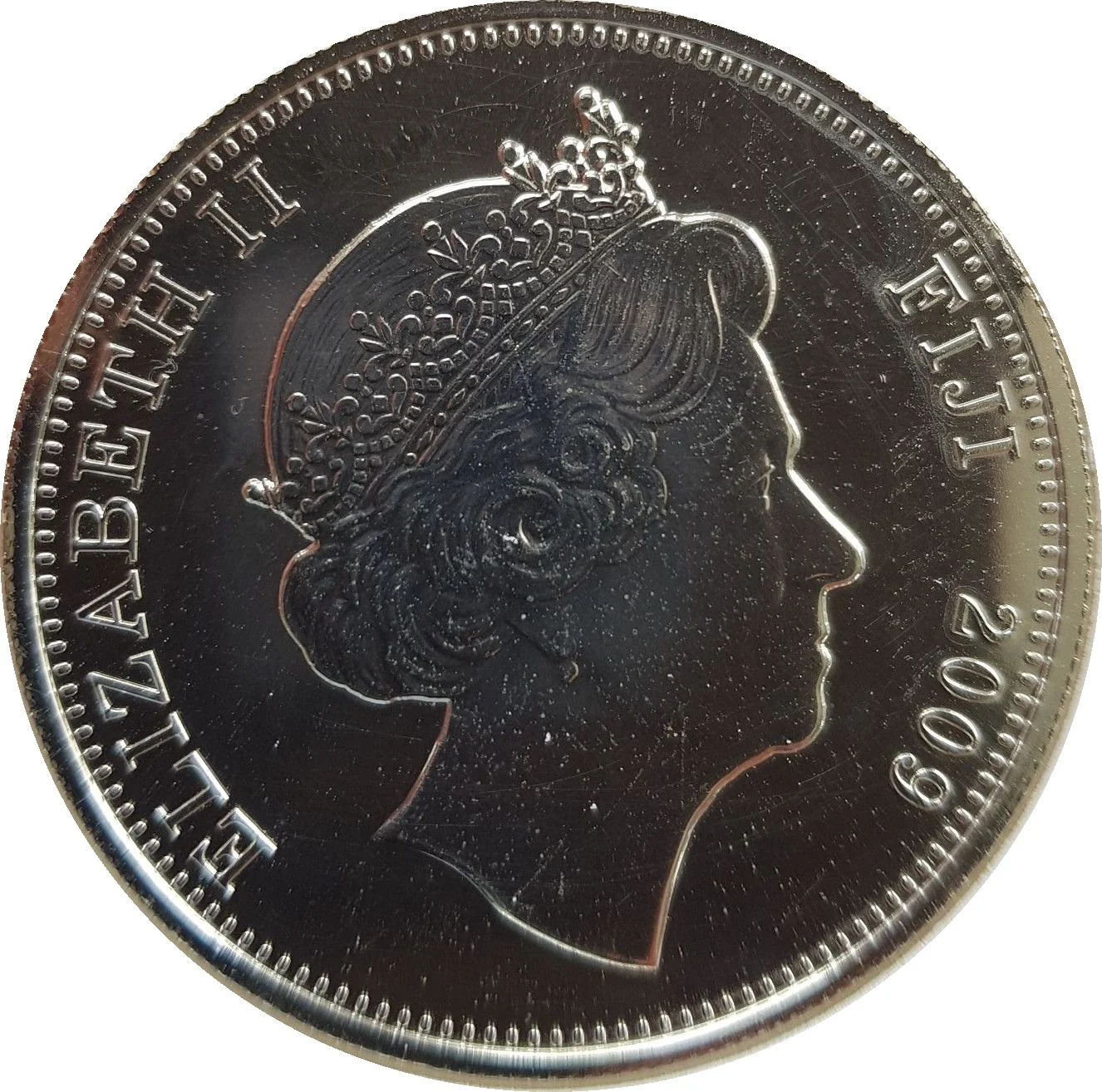

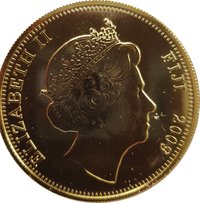
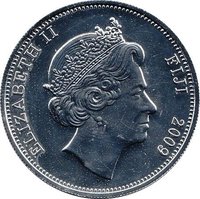
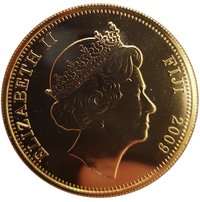
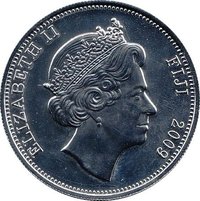
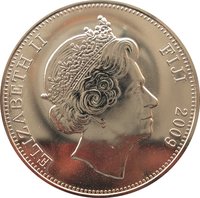
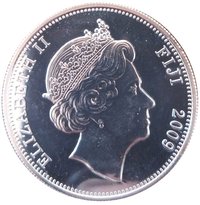
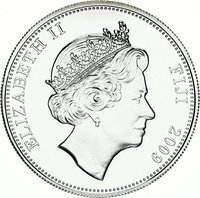
Obverse
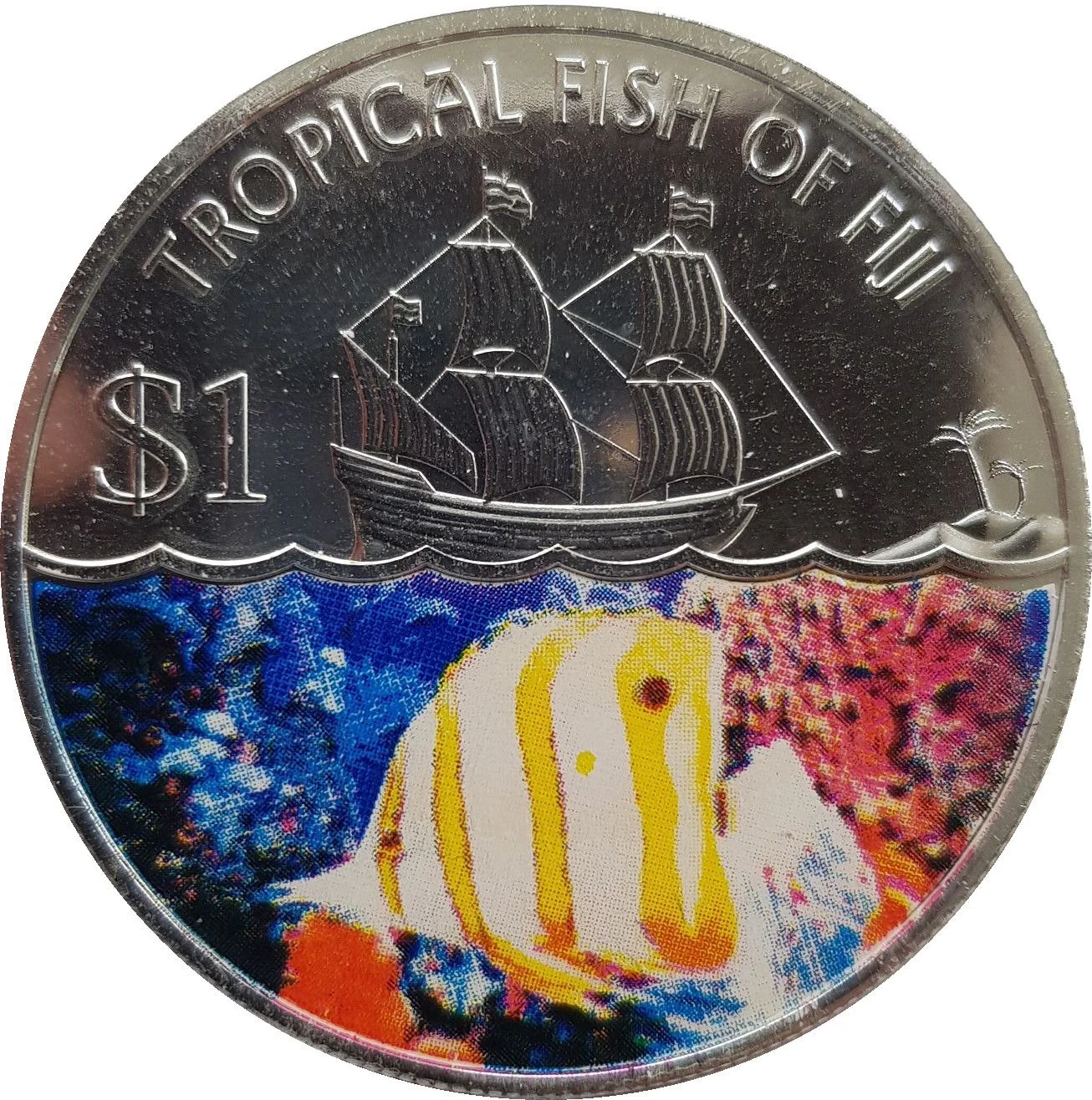
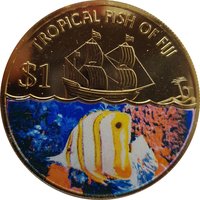
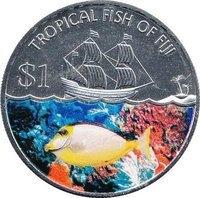
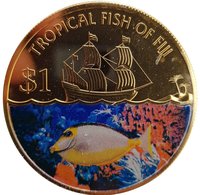
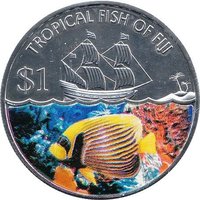
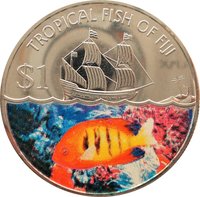
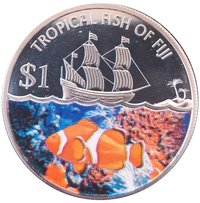
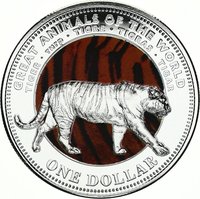
Reverse
Edge
Categories
| Animal> Fish |
| Symbol> Crown |
| Person> Monarch |
| Transportation> Watercraft |
Mintings
| Year | Mint Mark | Mintage | Quality | Collection |
|---|---|---|---|---|
| 2009 | — | — |
Historical background
In 2009, Fiji's currency situation was dominated by the significant devaluation of the Fijian dollar (FJD) in April of that year. The Reserve Bank of Fiji, under the directive of the military-led government that had taken power in a 2006 coup, devalued the currency by 20%. This decisive move saw the FJD drop from a long-pegged rate of approximately FJD 1.65 to the US dollar to around FJD 2.00. The primary objective was to address a severe balance of payments crisis, boost the competitiveness of key export sectors like sugar and tourism, and stem the rapid depletion of foreign reserves, which had fallen to critically low levels covering less than two months of imports.
The devaluation was a response to profound economic pressures exacerbated by the global financial crisis and domestic political instability. Fiji's economy was struggling with a large trade deficit, declining remittances and tourism revenue, and a loss of confidence from international financial institutions and traditional partners like Australia and New Zealand, which had imposed sanctions. The devaluation was a painful but calculated shock therapy intended to correct external imbalances by making imports more expensive and Fijian exports and tourism services cheaper for foreign buyers. However, it immediately increased the cost of living for citizens, as the price of imported goods, including essential food items, fuel, and medicine, surged.
The aftermath of the 2009 devaluation was a period of adjustment and continued strain. While it succeeded in stabilizing foreign reserves and providing some relief to exporters, the inflationary impact hit households hard, contributing to social hardship. The currency move was part of a broader package of economic reforms under the government's "2020 Roadmap," but it unfolded within an environment of weakened economic growth and ongoing political uncertainty. Consequently, the year was marked by a fragile currency stability maintained at the new, weaker level, with the population bearing the brunt of the adjustment through higher prices and a reduced purchasing power for the Fijian dollar.
The devaluation was a response to profound economic pressures exacerbated by the global financial crisis and domestic political instability. Fiji's economy was struggling with a large trade deficit, declining remittances and tourism revenue, and a loss of confidence from international financial institutions and traditional partners like Australia and New Zealand, which had imposed sanctions. The devaluation was a painful but calculated shock therapy intended to correct external imbalances by making imports more expensive and Fijian exports and tourism services cheaper for foreign buyers. However, it immediately increased the cost of living for citizens, as the price of imported goods, including essential food items, fuel, and medicine, surged.
The aftermath of the 2009 devaluation was a period of adjustment and continued strain. While it succeeded in stabilizing foreign reserves and providing some relief to exporters, the inflationary impact hit households hard, contributing to social hardship. The currency move was part of a broader package of economic reforms under the government's "2020 Roadmap," but it unfolded within an environment of weakened economic growth and ongoing political uncertainty. Consequently, the year was marked by a fragile currency stability maintained at the new, weaker level, with the population bearing the brunt of the adjustment through higher prices and a reduced purchasing power for the Fijian dollar.
Series: Tropical Fish of Fiji
✨ Legendary