

10 cash – Sinkiang Province
Add to wishlist
China
Context
Year: 1922
Islamic (Hijri) Year:: 1340
Country: China
Issuer: Sinkiang Province
Period:
(1912—1949)
Demonetized: Yes
Material
References
Y: #
Numista: #296548
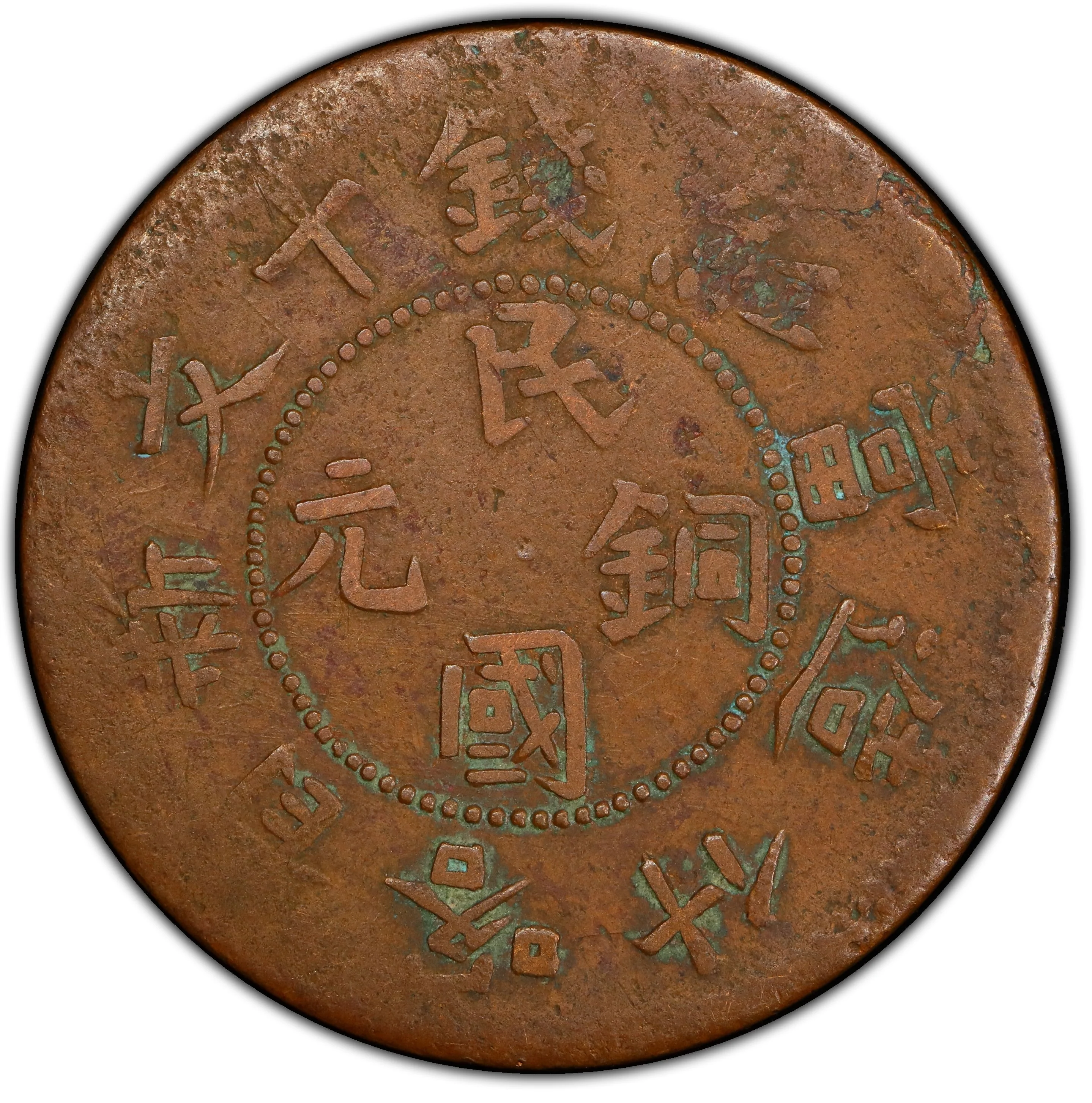
Obverse
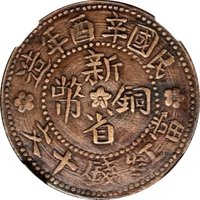
Description:
Four Chinese ideograms arranged vertically around a central flower, surrounded by additional characters.
Inscription:
造什喀疆新文十錢紅當
民
元銅
國
民
元銅
國
Translation:
Made in the 1st Year of the Republic, New Copper Coin of Xinjiang, Red Ten Cash
Language: Chinese
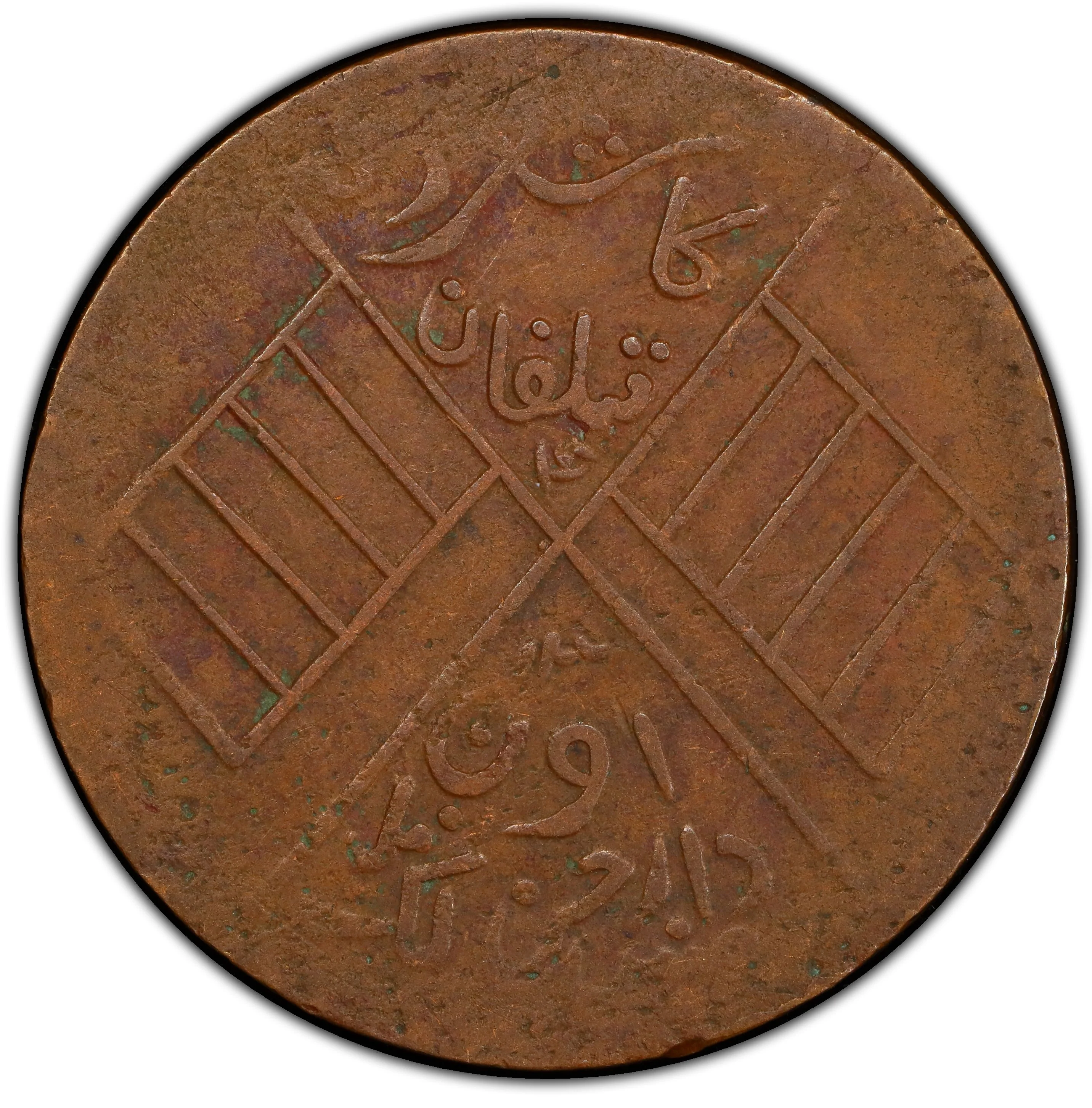
Reverse
Edge
Mintings
| Year | Mint Mark | Mintage | Quality | Collection |
|---|---|---|---|---|
| 1922 | — | — |
Historical background
In 1922, the currency situation in Sinkiang (Xinjiang) was one of profound instability and fragmentation, reflecting the province's political isolation and economic turmoil. Following the fall of the Qing Dynasty and amidst the Warlord Era, the province was under the semi-autonomous rule of Governor Yang Zengxin, who maintained a fragile control by balancing local ethnic groups and keeping external Chinese factions at bay. The economy was primarily agrarian and pastoral, with limited modern banking, leaving the monetary system reliant on a chaotic mix of legacy currencies. These included old Chinese silver yuan and tael coins, Russian Tsarist rubles (a legacy of pre-Revolutionary trade), and a vast quantity of locally minted, low-quality copper red cash coins, which were often strung together in diao.
The most pressing issue was Yang Zengxin's administration's attempt to finance its rule through the debasement of currency. The provincial treasury in Dihua (Ürümqi) issued paper notes, known as Xinjiang Provincial Currency or Yang notes, which were not backed by sufficient silver reserves. This led to severe inflation, particularly in the northern districts, and a wide discrepancy between the face value of the notes and their actual market worth. The currency's acceptability was largely enforced by government decree for tax payments, but public trust was low. In more remote areas, especially in the south, barter trade remained common, and silver coins continued to circulate as a more trusted, tangible store of value, further undermining the official paper currency.
Consequently, the monetary landscape was not unified but operated through multiple, overlapping circuits. Along the Siberian border, Soviet rubles began to circulate following the establishment of the USSR, facilitating cross-border trade. In southern oases like Kashgar, distinct local issues and even coins from neighboring Afghanistan and India could be found. This fragmentation crippled provincial trade and integration, leaving the economy vulnerable to speculation and hoarding. The currency chaos of 1922 was a direct symptom of Sinkiang's precarious position—caught between a weakened Chinese central government, the expanding Soviet influence, and internal ethnic divisions—all of which would define its turbulent path in the decades to follow.
The most pressing issue was Yang Zengxin's administration's attempt to finance its rule through the debasement of currency. The provincial treasury in Dihua (Ürümqi) issued paper notes, known as Xinjiang Provincial Currency or Yang notes, which were not backed by sufficient silver reserves. This led to severe inflation, particularly in the northern districts, and a wide discrepancy between the face value of the notes and their actual market worth. The currency's acceptability was largely enforced by government decree for tax payments, but public trust was low. In more remote areas, especially in the south, barter trade remained common, and silver coins continued to circulate as a more trusted, tangible store of value, further undermining the official paper currency.
Consequently, the monetary landscape was not unified but operated through multiple, overlapping circuits. Along the Siberian border, Soviet rubles began to circulate following the establishment of the USSR, facilitating cross-border trade. In southern oases like Kashgar, distinct local issues and even coins from neighboring Afghanistan and India could be found. This fragmentation crippled provincial trade and integration, leaving the economy vulnerable to speculation and hoarding. The currency chaos of 1922 was a direct symptom of Sinkiang's precarious position—caught between a weakened Chinese central government, the expanding Soviet influence, and internal ethnic divisions—all of which would define its turbulent path in the decades to follow.

✨ Legendary